The Story
Why it exists.
The beginning
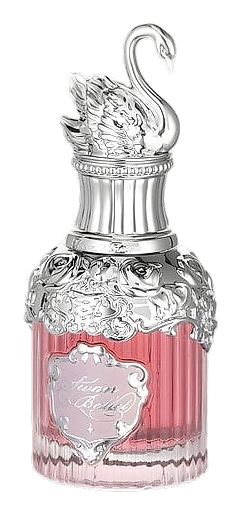
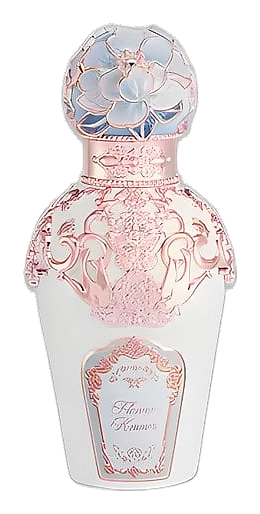
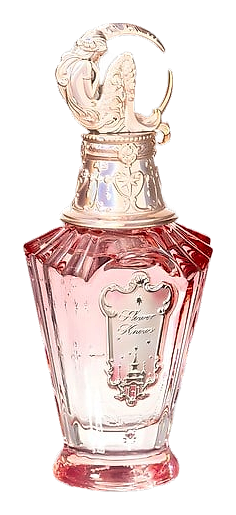
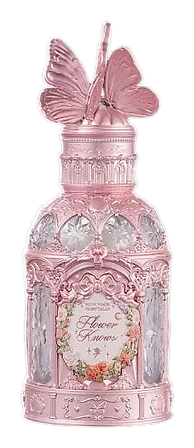
Flower Knows, a South Korean house that treats each fragrance like a chapter from a fairytale, released Butterfly Narcissus in 2024. The name draws from the butterfly's fleeting transformation, that fragile beauty that becomes unforgettable precisely because it does not last. The brand's pastel-toned, whimsical aesthetic runs through every detail, from the bottle to the storybook framing of each scent. Butterfly Narcissus fits that tradition, a story about change, lightness, and the quiet poetry of impermanence.
The house chose these notes to build a fragrance that feels like a garden in the early morning, bright and still damp with dew. Freesia anchors the opening's clarity, bergamot and apple bring crispness, and almond adds that slight edge that makes the start feel alive rather than polite. The heart's green notes, rose, peach, and apricot work together to create something that feels both romantic and fresh, suitable for someone who wants femininity without sweetness overload. Musk in the base keeps everything skin-close and intimate, making this a fragrance for presence rather than announcement.
The evolution
It begins with a crisp, luminous burst of bergamot and apple, softened by freesia and threaded with a subtle bitter almond note that adds intrigue. Within minutes the green notes arrive to ground the composition, while rose and peach bloom into the heart with gentle warmth. Apricot lends a sun-kissed juiciness that keeps the heart feeling fresh rather than heavy. By the drydown, the florals and fruits fade gracefully into a clean, skin-hugging musk that wraps the wearer in quiet softness, leaving just a whisper of peach behind.
Cultural impact
The 2024 launch puts Butterfly Narcissus in a specific moment: the fairytale fragrance trend, where visual narrative and delicate scent structure overlap. It's positioned for someone who wants fragrance to feel like a moment rather than a statement, approachable, feminine, light without being thin. The bottle design, described as architectural and display-worthy, suggests the fragrance is also an object, something that belongs in a space as much as it belongs on skin. This dual nature, scent as story, bottle as artifact, is where Flower Knows distinguishes itself from both mass-market florals and traditional niche houses.