
The Story
Why it exists.
The beginning
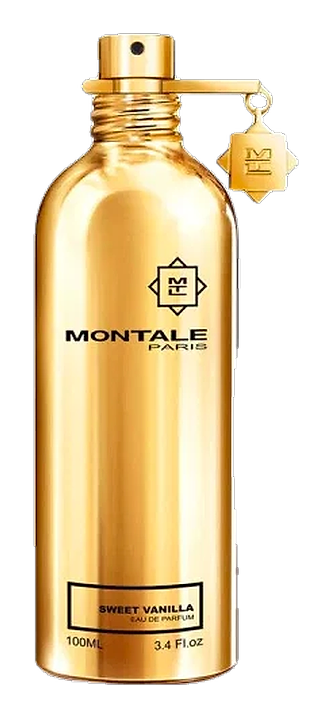
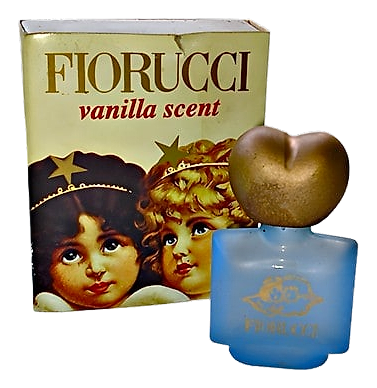
Vanilla Scent arrived in 1961 on a brief that was simple and stubborn: take a single ingredient and see how far it could travel. No florals to soften the edges. No woods to anchor it. Just vanilla, expressed three ways across a composition designed to show what that word actually means when nothing else is allowed to interrupt. The opening offers a bright, almost brittle sweetness, the kind of clean vanilla note that feels lifted rather than heavy, the way cool air carries a scent further than warm air would. As the hours pass, the edges soften and the composition shifts through its three vanilla expressions, each one warmer and rounder than the last, trading sparkle for depth without ever reaching for sweetness as an end in itself.
What's unusual here is the pyramid's honesty. Most compositions build a scaffolding around a lead note, and Vanilla Scent refuses it. The opening is vanilla. The heart is Madagascar vanilla, a variety known for the particular density and warmth it brings to a formula. The base is vanilla absolute, the most concentrated form of the ingredient, the kind of dark, sticky richness that comes from the bean at its most reduced. Each layer is the same material at a different altitude, the way a single-vineyard wine can taste like the same grape at three stages of ripeness.
The evolution
The first hour reads almost bright, a clean vanilla that feels closer to the bean itself than to anything baked or sugared. The sweetness is present but held back, more of a suggestion than a statement, the way vanilla reads when it hasn't been pushed toward dessert. By the second hour the Madagascar heart takes over, bringing a fuller, more rounded sweetness that feels warmer and more familiar, the kind of vanilla that settles into skin rather than sitting on top of it. The drydown is where the absolute earns its reputation: dense, dark, almost resinous, a vanilla that has lost all its lift and traded it for weight. The sweetness here isn't sugary so much as it is deep, a near-burnt quality that lingers close to the skin.
Cultural impact
Vanilla Scent occupies a particular corner of the fragrance world. It's a single-note composition released in 1961, a time when most vanillas in the market were built as bases for florals or orientals rather than worn on their own. The composition doesn't reach for the sweeter, more decorated territory that the ingredient later became famous for. Instead it stays close to the source material, presenting the bean itself through three different extractions rather than building a fantasy around it.