The Story
Why it exists.
The beginning
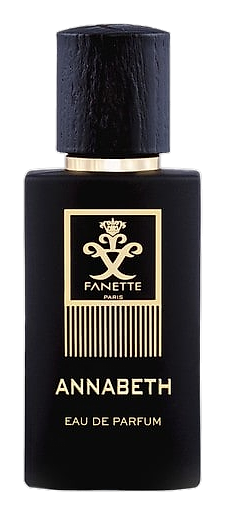
Annabeth was introduced in 2016, and it carries a cadence that feels literary and unhurried, fitting for a composition that treats elegance as something felt rather than performed. The brand frames it as a Floral Woody Musk for women, though its powder-soft center and grounded base read beyond gender. Fanette built it around a specific mood: the moment between brightness and depth, when a scent needs to say something without shouting. Bergamot opens the door, bright and a little green, the citrus feeling squeezed rather than spritzed, but the house wanted what came next to linger. The opening is a gesture, an invitation, a quick lift before the composition settles into its real conversation.
The distinction here is how orris root and violet are allowed to converse rather than compete. The iris butter brings its mysterious, slightly earthy quality, and Fanette leans into that grounded character rather than smoothing it away. Violet brightens the heart without turning childish, lifting the iris with a sweetness that feels grown and deliberate. Then the base does the clever thing: patchouli sweetened with vanilla.
The evolution
Bergamot leads the opening, bright and a little green, the kind of citrus that feels squeezed rather than spritzed. Then the shift happens, and it arrives with surprising speed. Orris and violet surface together, and the composition tips into something powdery and intimate, like opening a vanity case lined in velvet. This is where Annabeth spends most of its time on skin, in a phase where the iris-violet conversation dominates the experience. The violet reads sweet, the orris reads grown, and together they create a heart that feels both private and generous. Patchouli surfaces quietly in the late middle, adding an earthy pull that keeps the powder from floating off, grounding the composition with its damp, cool undertone. The vanilla arrives last, warming the patchouli without burying it, settling the whole fragrance into a soft, vanillic shadow.
Cultural impact
Annabeth sits in a territory where powdery florals still carry weight, where the genre hasn't been reduced to trend pieces or seasonal mood boards. It reads less like a restatement of what the category does best and more like an invitation to remember why the form has lasted: warmth without weight, depth without volume, intimacy without ornament. The kind of scent that treats elegance as private language, that doesn't need the room to validate its presence. There's a quietness to the composition that feels deliberate, a refusal to perform for an audience, and in that refusal there's something generous.