

Heritage
A house, in its own words
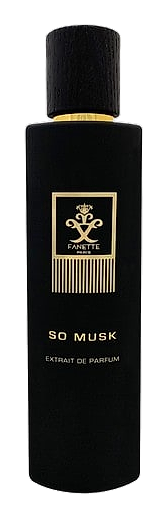
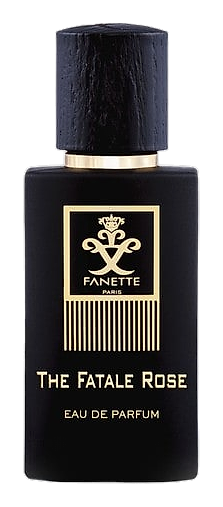
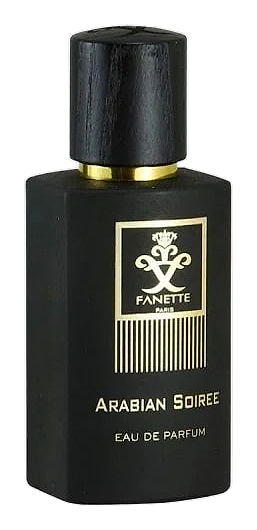
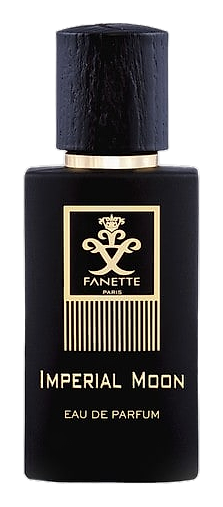
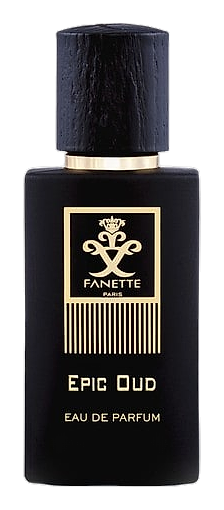
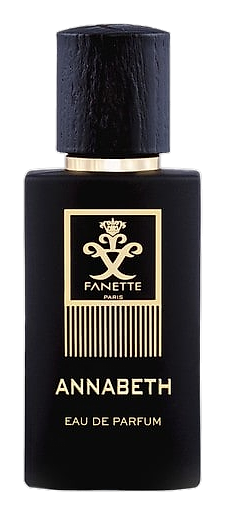
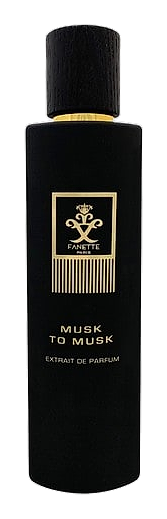
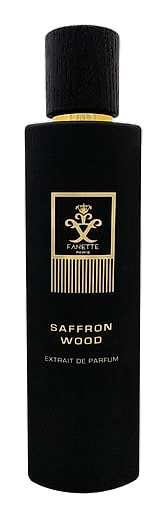
The name Fanette carries deliberate historical weight. According to the brand, it honors Fanette, reportedly the first female perfumer ever recorded in history. She served as a high official in the ancient Babylon court, where her responsibility was creating perfumes for royalty. This origin story connects the house to the Euphrates region, widely considered among the birthplaces of perfumery. By adopting her name, Fanette positions itself within a lineage of aromatic tradition stretching back millennia. The house launched its initial collection in 2016, introducing nine distinct fragrances that year alone. The debut lineup demonstrated remarkable range, spanning from orientals like Imperial Moon and Arabian Soiree to florals such as The Fatale Rose and Annabeth, with oud-focused Epic Oud rounding out the offering. This ambitious launch established the brand's aesthetic across multiple olfactory families from the outset. The house expanded its portfolio with four additional releases in 2019, including So Musk, Saffron Wood, Oud Interlude, and Musk to Musk. Fanette has released ten perfumes total, with the earliest from 2016 and the most recent from 2019. The brand maintains its connection to French cultural heritage by incorporating Marie-Antoinette's favorite notes into its compositions, drawing from centuries-old French perfumery traditions while pursuing contemporary creative directions. Fanette approaches perfumery as a form of storytelling, where each fragrance carries a narrative drawn from history, art, or cultural memory. Rather than chasing trends, the house seems committed to creating scents with genuine depth and emotional resonance. The philosophy emphasizes the French art of living, treating fragrance as an integral part of daily elegance and personal expression. Historical inspiration plays a central role, with the brand drawing from periods and figures that shaped European aromatic traditions. Marie-Antoinette's favorite notes appear throughout the collection, connecting contemporary wearers to a specific moment in French history. The house appears to value originality over convention, working with ingredients like oud, saffron, and musk to craft compositions that feel both classic and distinctive. Each fragrance is designed to evoke a particular atmosphere or emotion rather than simply smelling pleasant. This narrative-driven approach distinguishes Fanette from houses that prioritize mass appeal over artistic vision. The brand treats perfumery as a serious craft with historical roots, honoring tradition while pursuing its own creative path.