The Story
Why it exists.
The beginning
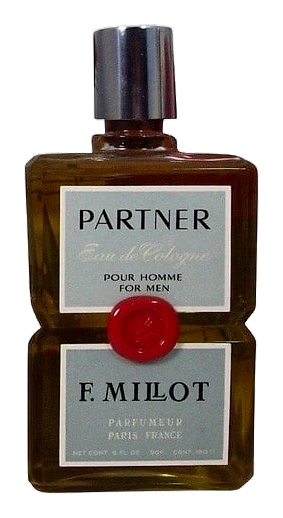
Partner appeared in 1959 with a focused, classically structured idea. Citrus brings immediate brightness, while lavender softens the edge with its familiar herbal calm. Leather introduces a tactile contrast, tracing a dry warmth through the composition without overwhelming the brighter opening. Woody notes give the scent a steadier foundation, adding depth as the fragrance settles. Nothing about Partner needs to announce itself loudly. Its appeal lies in the way these materials change the temperature of a classic men’s cologne. Citrus, lavender, leather, and woods move from freshness to close, dry texture, making the scent feel less like a routine splash and more like a considered choice.
The unusual part is the conversation between materials that usually keep their distance. Citrus brings air and motion; lavender brings a polished herbal note; leather adds a dry, almost architectural grain; woods settle the whole thing with a darker register. That makes Partner feel both familiar and slightly surprising, like a well-cut coat with an unexpected lining. The combination gives a classic masculine profile enough tension to stay memorable without losing its ease.
The evolution
Partner begins with a clean, brisk impression, citrus cutting through the air before lavender takes over with its familiar herbal softness. The leather doesn’t roar; it traces the edge of the composition, adding a dry, close-to-the-skin texture that makes the opening feel less generic. As the scent settles, woody notes become the anchor, giving the fragrance a darker and more grounded finish. The arc moves from brightness to composure, like stepping from morning daylight into a quiet room with the windows open. Over time, the citrus gradually recedes while lavender and leather create a more tactile middle phase. The woody drydown remains controlled, leaving behind a restrained impression rather than a lingering cloud.
Cultural impact
Partner occupies a restrained place in the world of classic men’s cologne, where scent is approached as a matter of taste and composure rather than spectacle. Its composition brings together bright citrus, familiar lavender, dry leather, and woody depth. The leather gives the fragrance a close, textured quality, while the woods lend a grounded finish as the scent wears down. Together, these notes create a polished but unshowy identity, inviting discovery through the contrast between fresh opening notes and a darker, drier drydown.
The House
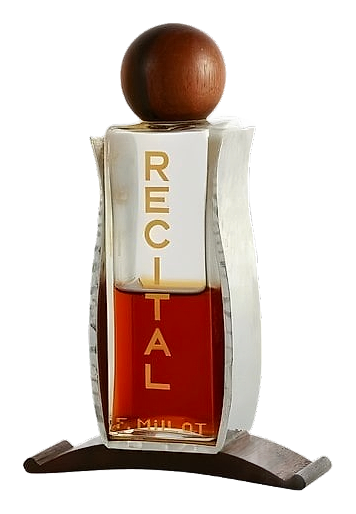
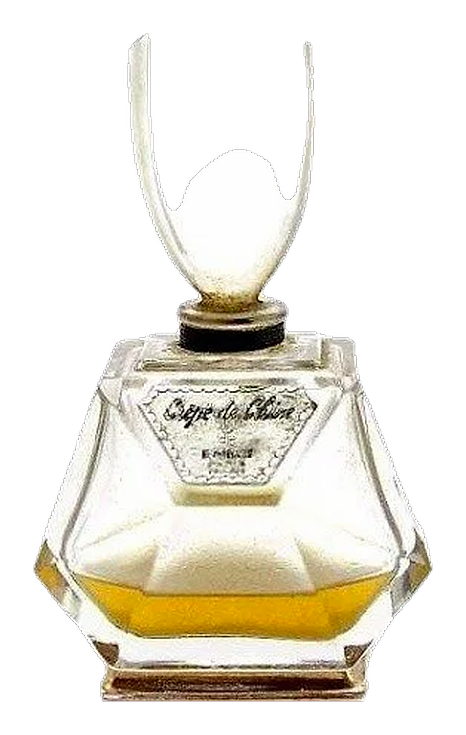
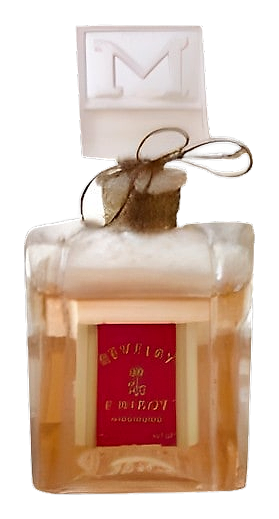
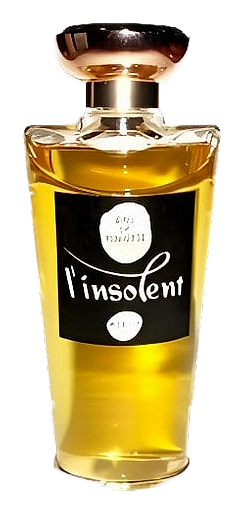
F. MillotF. Millot began in Paris in the mid‑19th century and grew into a quiet but influential perfume house. Over a century the brand released more than thirty fragrances, including the chypre Crêpe de Chine (1925) and the aromatic L’Insolent (1947). Though it never chased headlines, the house earned a reputation for balanced compositions that appealed to connoisseurs. In 1966 the label passed to Révillon, but its historic bottles still appear in museum collections and private libraries.
The Creator
Aimable DuhayonAimable Duhayon works in a register that balances French classical training with a contemporary sensibility for transparent textures and softened edges. Her compositions tend to favor luminous florals, refined woods, and carefully calibrated musks, materials that allow for nua…