
The Story
Why it exists.
The beginning
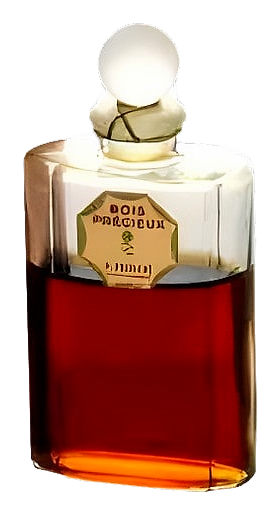
Bois Précieux was created by Jean Desprez. Its name, meaning precious wood in French, places wood at the center of the fragrance's identity. The composition brings together sandalwood, cedar, incense, and galbanum, with civet and musk adding further depth. Galbanum gives the accord a green, resinous character, while incense contributes a smoky layer. Sandalwood and cedar lend the composition a creamy, woody texture, and civet introduces a dark, animalic accent. The result is a rich and distinctive woody fragrance with a layered character.
What makes the composition worth lingering on is the contrast between its different accords. Galbanum adds a green and resinous note, set against the creamy character of sandalwood. Incense contributes a smoky dimension, while cedar brings a clean woody accent. Civet adds depth and a faint animalic quality, and musk gives the composition a soft base. Together, these notes create a fragrance that feels both polished and textured, with enough character to reward a closer look.
The evolution
The listed notes create a progression from green and resinous qualities to warm woods, smoke, and skin-like softness. Galbanum brings a sharp herbal character, while sandalwood gives the composition a creamy, rounded texture. Cedar adds structure, and incense contributes a darker, smoky layer. Civet introduces a subtle animalic accent, while musk provides a soft, diffuse foundation. As the fragrance develops on skin, these materials combine into a warm woody impression that remains distinctive without relying on any single note to define it.
Cultural impact
Bois Précieux is a classic woody fragrance marked by a rich combination of sandalwood, cedar, incense, galbanum, civet, and musk. Its production was apparently discontinued, which gives it the character of a perfume to seek out and discover. The composition is especially compelling for its contrast of green resin, creamy wood, smoke, animalic depth, and soft musk. Rather than relying on a simple wood impression, it presents several layers that invite closer attention.
The House
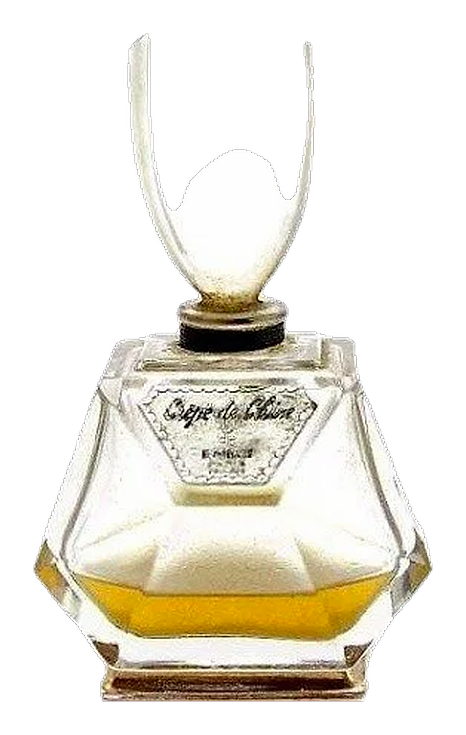
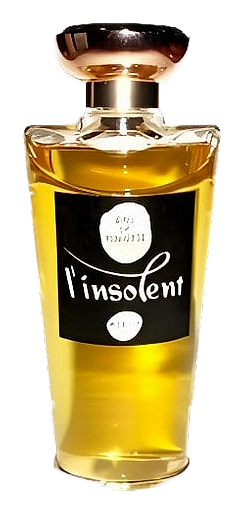
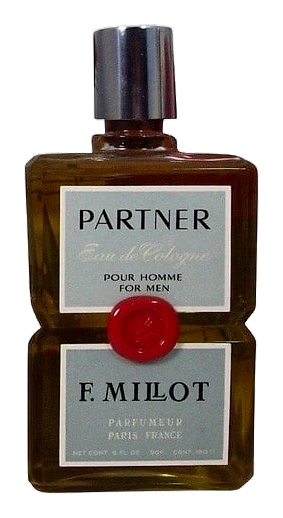
F. MillotF. Millot began in Paris in the mid‑19th century and grew into a quiet but influential perfume house. Over a century the brand released more than thirty fragrances, including the chypre Crêpe de Chine (1925) and the aromatic L’Insolent (1947). Though it never chased headlines, the house earned a reputation for balanced compositions that appealed to connoisseurs. In 1966 the label passed to Révillon, but its historic bottles still appear in museum collections and private libraries.
The Creator
Jean DesprezDesprez favored a structure built on a solid woody base, often layering sandalwood, cedar and patchouli. He enriched the foundation with herbaceous accents such as galbanum and rosemary, then added a veil of ambiguous florals—often rose or jasmine softened by amber and labdanum.