The Story
Why it exists.
The beginning
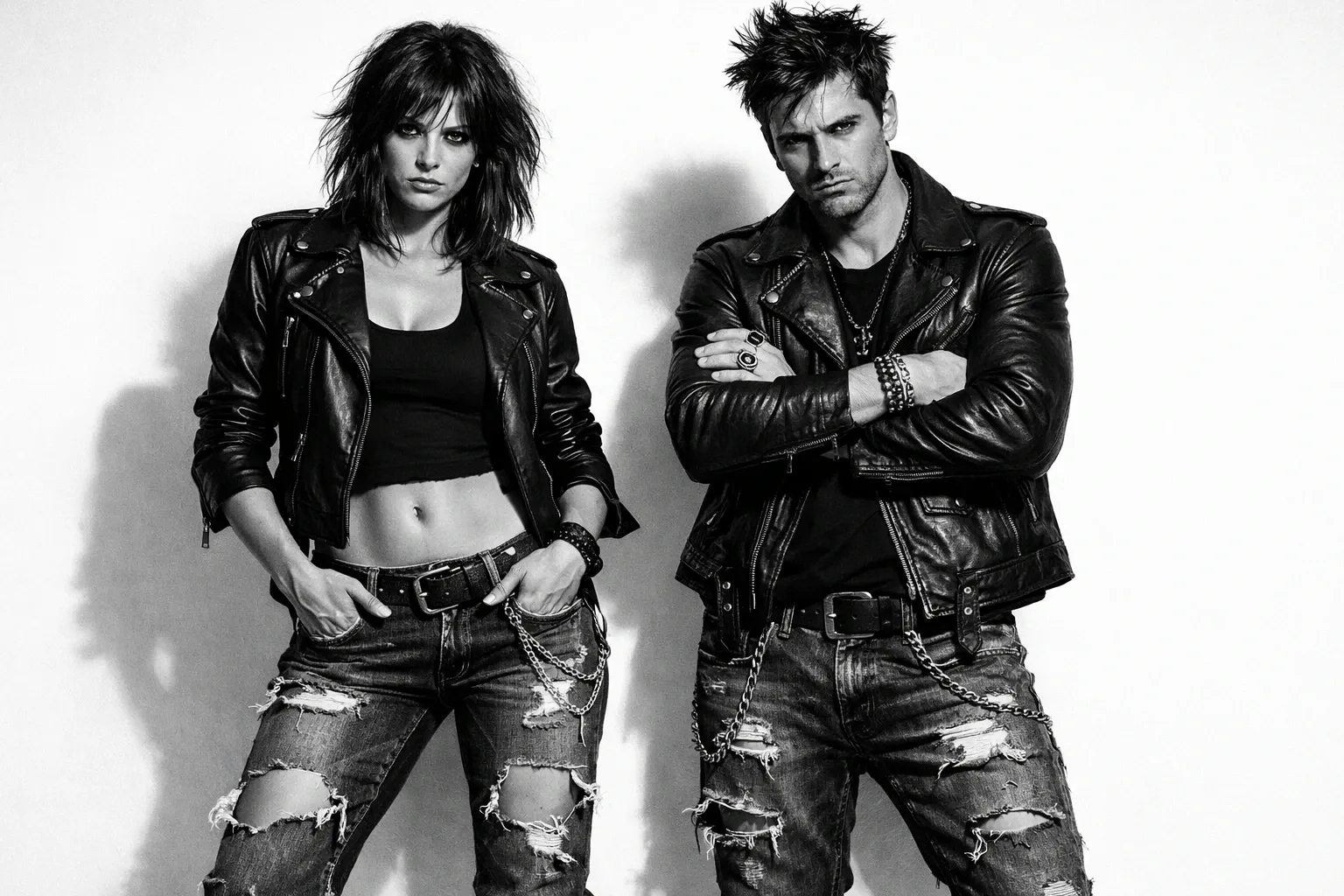
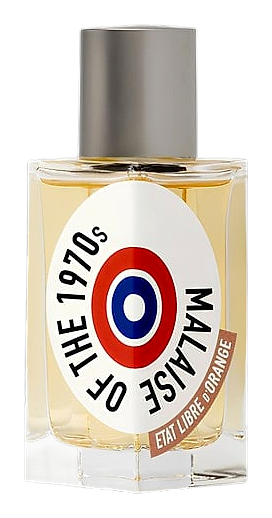
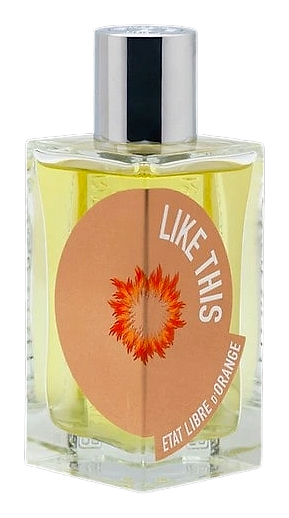
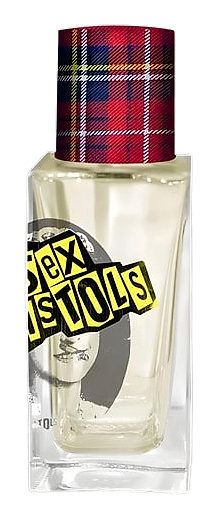
In 2010, État Libre d'Orange collaborated with the Sex Pistols, not for nostalgia, but for provocation. The brief: translate the band's anti-establishment energy into a fragrance. No safety. No focus groups. Mathilde Bijaoui answered with a composition that doesn't ask permission. The result smells like a disagreement you want to be part of.
The fragrance maps onto punk's contradictions: clean yet dirty, sharp yet soft, welcoming yet alienating. The aldehydes aren't decorative, they create a static charge that makes the opening feel almost metallic. Pepper doesn't blend with lemon; it argues with it. Plum doesn't sweeten the deal, it darkens it. This is a fragrance that knows exactly what it's doing.
The evolution
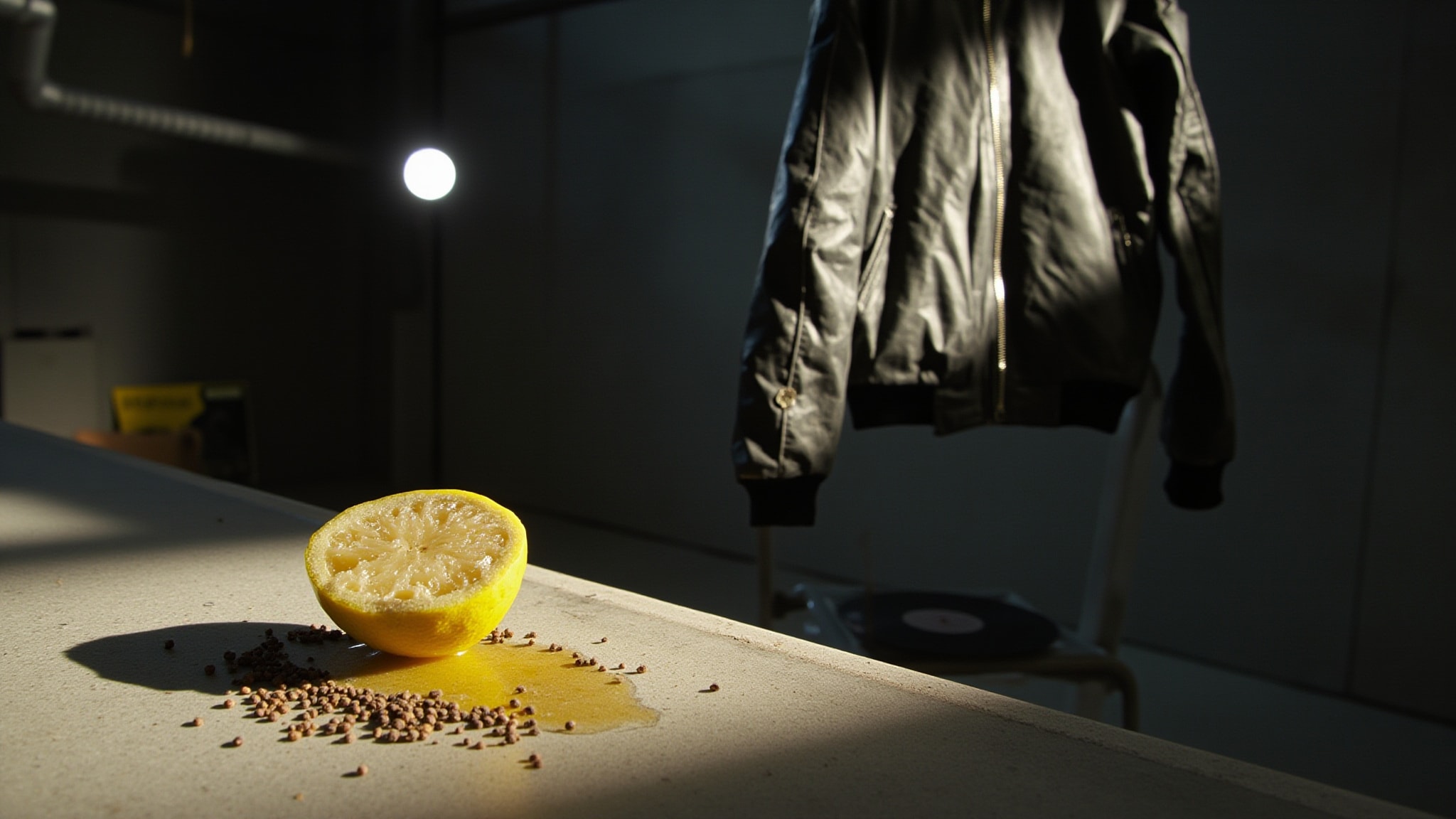
The opening hits fast: lemon, pepper, aldehydes, bright, electric, demanding attention. Within 20 minutes, the citrus recedes and leather arrives, carrying the plum with it. The combination is sweet and dark, almost jammy, but the aldehydes keep everything slightly unreal. By hour two, patchouli takes over, pulling the composition down to skin level. The drydown is intimate, woody, musky from the ambrette, close enough that only you know it's there. Some find the sillage too moderate. Others call it perfectly punk: present without screaming.
Cultural impact
Sex Pistols occupies a specific space in niche perfumery, a fragrance for those seeking something outside conventional scent territory. The 2012 renaming to 'Malaise of the 1970s' only sharpened its art-house positioning. Wearers either love its sharp, confrontational character or find it too aggressive. Either way, it sparks conversation, which is exactly what the brand intends.