The Story
Why it exists.
The beginning
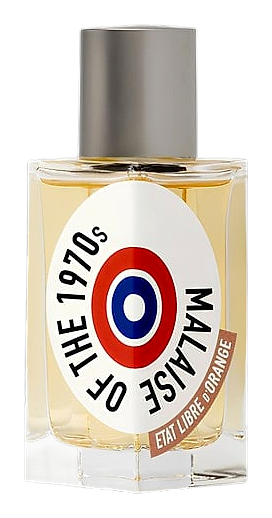
The 1970s weren't just about disco and optimism. There was something else underneath, the political exhaustion, the post-war reckoning, the weight of expectation that followed the previous decade's revolutions. Mathilde Bijaoui named this fragrance after that feeling, after the particular cultural hangover that followed the idealism of the 1960s into a decade that couldn't quite deliver on its promises. It isn't nostalgia. It isn't celebration. It's the exhale after a decade that over-promised.
What makes Malaise of the 1970's structurally interesting is how it refuses to resolve cleanly. The aldehydes open cold and bright, like cold air on warm skin, or the sharp top notes of a 1970s chypre gone slightly synthetic. That citrus-pepper introduction is direct and arresting, the kind of opening that announces itself without apology. But underneath, the leather and plum introduce something heavier, more worn. Patchouli and ambrette don't so much ground the fragrance as pull it downward, into something more lived-in. The composition deliberately avoids the warmth of vanilla or the comfort of musks, instead leaning into a dry, slightly austere finish that holds its tension all the way through.
The evolution
The opening hits cold, aldehydes first, then citrus, that sharp bright lift that reads almost clinical before anything else arrives. Bergamot and citron hang for maybe twenty minutes before pepper begins to push through, dry and warm. The leather announces itself around the thirty-minute mark, not soft suede but something harder, denser, the kind that creaks. Then the aldehydes reassert themselves in the heart, creating a strange tension between cool synthetic brightness and the warmth of plum and amber underneath. Patchouli doesn't dominate, it lingers. The drydown settles into something warmer than the opening suggested, but the aldehydes never fully disappear. They become intimate, close, part of the skin rather than floating above it. On fabric, this fragrance outlasts everything else in the wardrobe.
Cultural impact
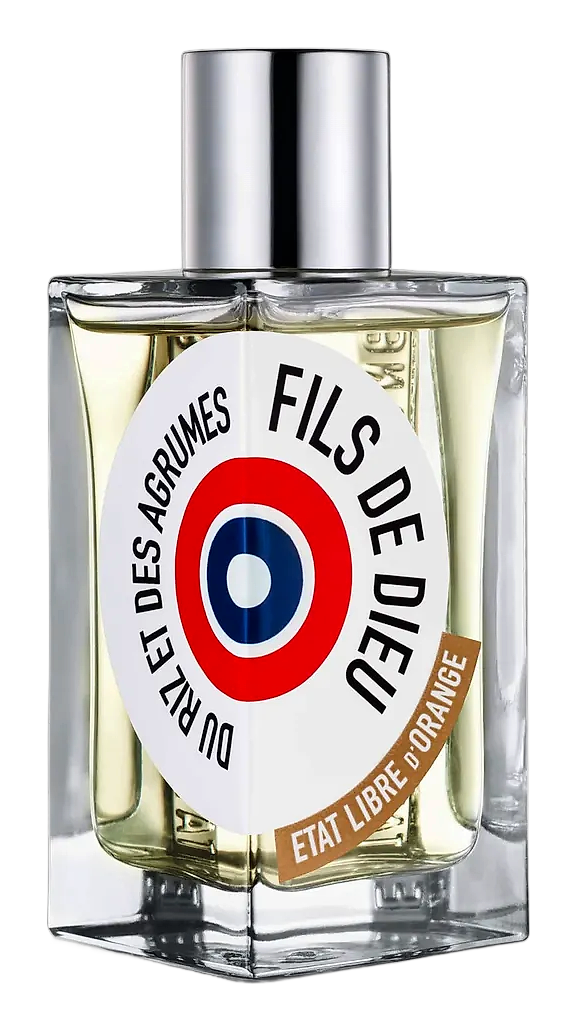
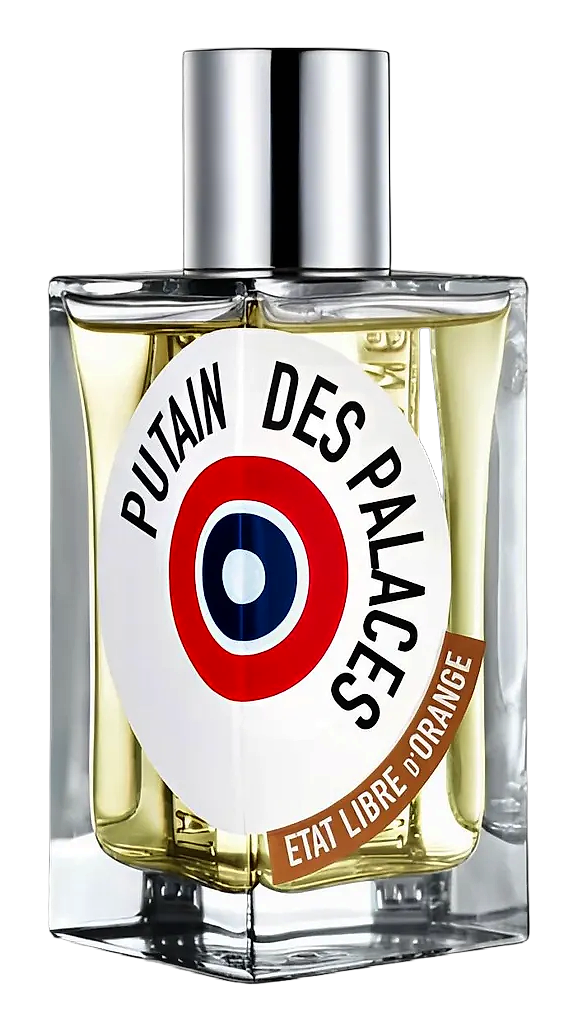
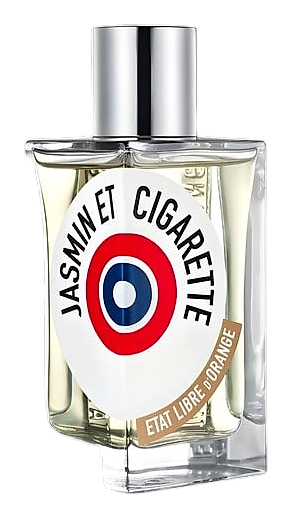
The house built its reputation on names alone, Putain des Palaces, Sécrétions Magnifiques, Jasmin et Cigarette. Malaise of the 1970's fits differently into that catalog: quieter in its provocation, more intellectual. It asks the wearer to sit with discomfort rather than to shock others. The aldehydic leather category isn't new, but the specific tone here, cold, dry, persistently unresolved, finds a specific kind of wearer: someone who wants fragrance that argues with comfort.