The Story
Why it exists.
The beginning
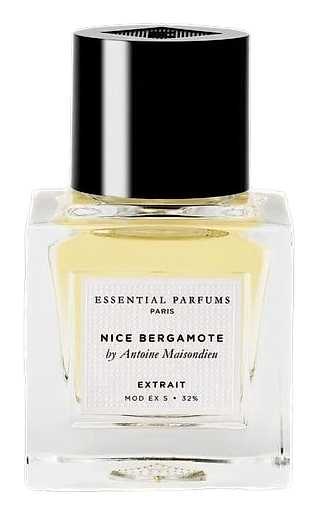
Nice Bergamote Extrait is named for Nice, the city on the French Riviera. Antoine Maisondieu took the original bergamot-and-neroli composition and pushed it into Extrait territory, adding jasmine sambac absolute and ylang-ylang for a richer floral heart, with sugar, tonka, cedar, and patchouli lending depth and warmth that the original lacks. Launched in 2025.
What makes this interesting is what the Extrait format does to bergamot. In lighter concentrations, bergamot is usually a passing guest, here it lingers alongside heavier materials, holding its brightness against jasmine and tonka bean. The combination of candied citrus and narcotic florals gives Nice Bergamote Extrait a different character than the typical citrus-floral. It's familiar enough to appeal, strange enough to remember.
The evolution
The bergamot opens sharp, sparkling, carrying that Calabrian edge. Bitter orange joins in, zesty, slightly bitter, never sugared. This phase lasts thirty minutes or so before the citrus begins its slow fade. Then jasmine sambac absolute takes over. Headier than you'd expect. Almost indolic. The ylang-ylang adds a creamy tropical sweetness that tempers the jasmine's intensity. The florals deepen together, turning intimate, close to the skin rather than projecting outward. Hours later, the drydown emerges: sugar and tonka bean wrapped in patchouli and cedarwood. The ambered sweetness lingers long after the citrus and florals have gone.
Cultural impact
Nice Bergamote Extrait launched in 2025 as part of Essential Parfums' expanding Extrait line. The original Nice Bergamote EDP established itself as a crowd-pleasing citrus-floral, and this richer concentration appeals to those who want more depth without sacrificing brightness. The Extrait format gives jasmine sambac and tonka bean room to breathe alongside the bergamot, creating a fragrance that bridges accessible and complex. Moderate sillage means it works in intimate settings, dinner, close conversation, the kind of attention that comes from proximity rather than projection.