The Story
Why it exists.
The beginning
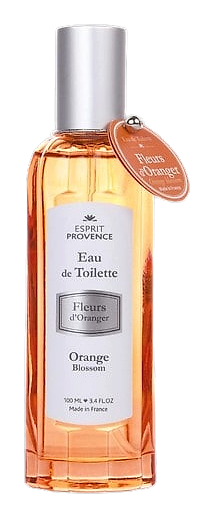
Esprit Provence built Fleurs d'Oranger as an exploration of a single botanical that has shaped Mediterranean scent culture for generations, offering a focused study of the orange tree's flowering phase. The composition treats the white blossoms as the centerpiece, letting their honeyed sweetness and faint green bitterness carry the wearer through a clean, sun-warmed arc from first spray to final hours on skin. Rather than burying the orange blossom beneath layers of competing florals or modern gourmand sweetness, the fragrance keeps the focus tight and botanical, with a luminous neroli opening that lifts the bloom into something bright and approachable.
The composition opens with Bergamot and Lemon rather than a wall of white petals, giving the orange blossom room to breathe and making the fragrance accessible to wearers who usually find dense floral soliflores too heady or powdery. That citrus-led entry cuts the neroli dose just enough to brighten the overall mood, so the bloom arrives gently rather than slamming into the wearer all at once.
The evolution
Fleurs d'Oranger presents a focused study of orange blossom at its most luminous, offering a clean, sunlit take on a note that classical orange blossom absolutes can sometimes render indolic or heavy. The current formula leans on neroli to give the heart its characteristic bittersweet backbone, pairing the honeyed floral sweetness with a faint green, twiggy bitterness that reads more like crushed stems and leaves than like soft, powdery perfume. Around that central accord, the orange blossom absolute adds a creamy, almost lactonic roundness that smooths the sharper green edges and keeps the bloom feeling clean and weightless on skin. As the fragrance moves past the opening citrus and settles into its heart, a soft indolic warmth builds gently, suggesting ripe fruit and warm skin rather than anything dense or funeral-like.
Cultural impact
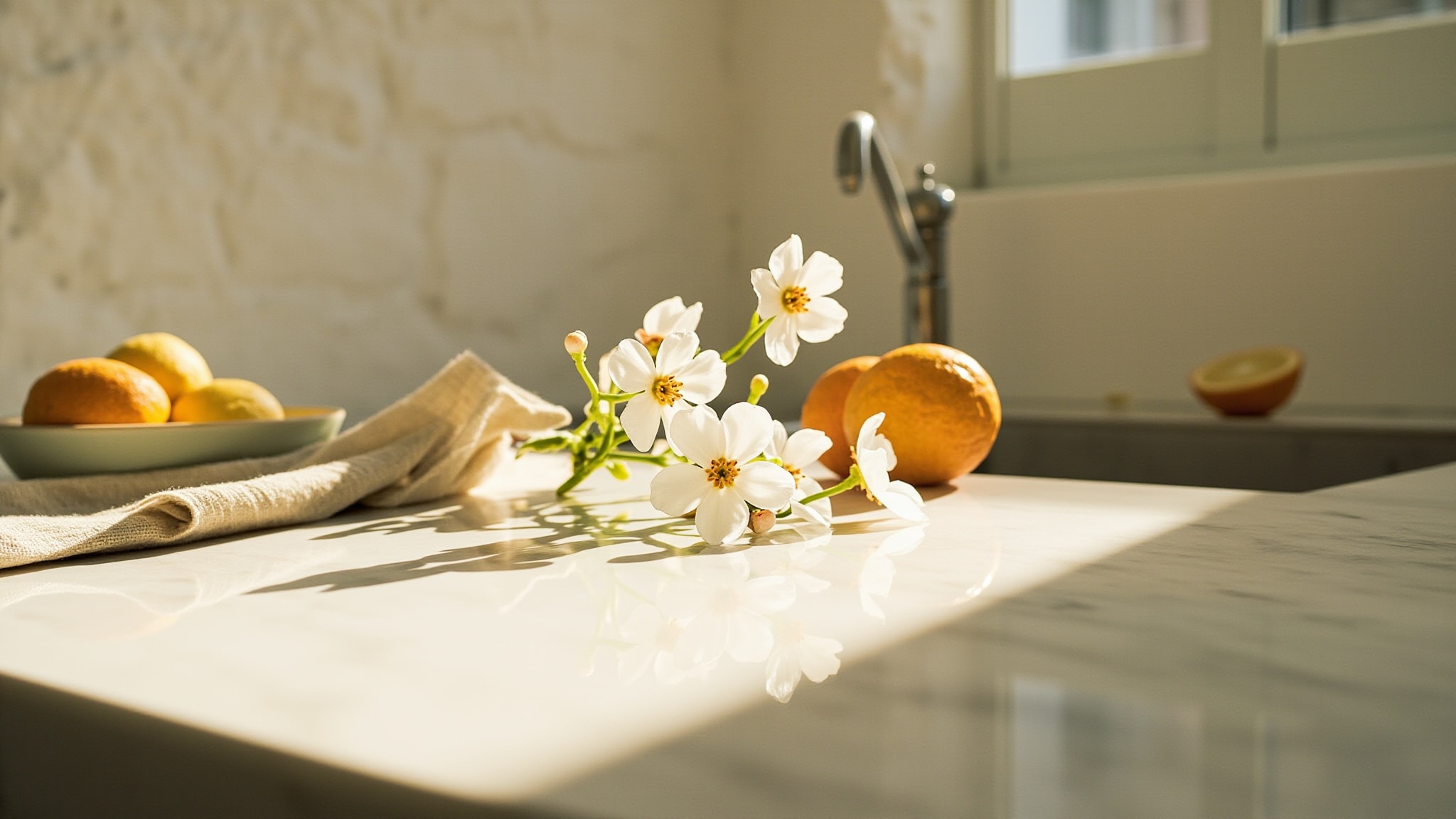
Orange blossom holds a particularly storied role in the world of scent, serving as one of the foundational florals of Mediterranean perfumery and appearing in everything from classical French extraits to Spanish colognas and Italian acque. The note has long carried associations with warmth, celebration, and ceremonial use, woven into bridal traditions and festive rituals across southern Europe, where the small white flowers symbolize purity, joy, and the arrival of warmer months.