The Story
Why it exists.
The beginning
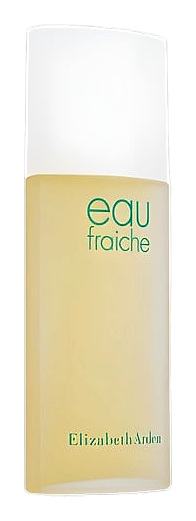
Eau Fraiche arrived in 1986 as a fresh, citrus-forward scent built for repetition. Not an evening event. Not a special occasion. A scent you reach for on a Tuesday because it fits, because it works, because it makes the morning feel intentional. The fragrance was designed to be part of the daily routine, fresh and approachable without ever feeling like a special occasion commitment. It wasn't meant to announce. It was meant to become part of the routine, a reliable presence that you return to again and again.
What makes this composition interesting is the structural quietness of it. Most fresh fragrances start bright and fade fast, but Eau Fraiche holds. The mint and lemon open clean, but the jasmine and rose geranium heart keeps it from feeling clinical. The cedar and iris base is where it earns its longevity, providing a woody warmth that grounds the fragrance without ever pushing forward. It's a composition that understands restraint, letting each layer arrive without crowding the one before.
The evolution
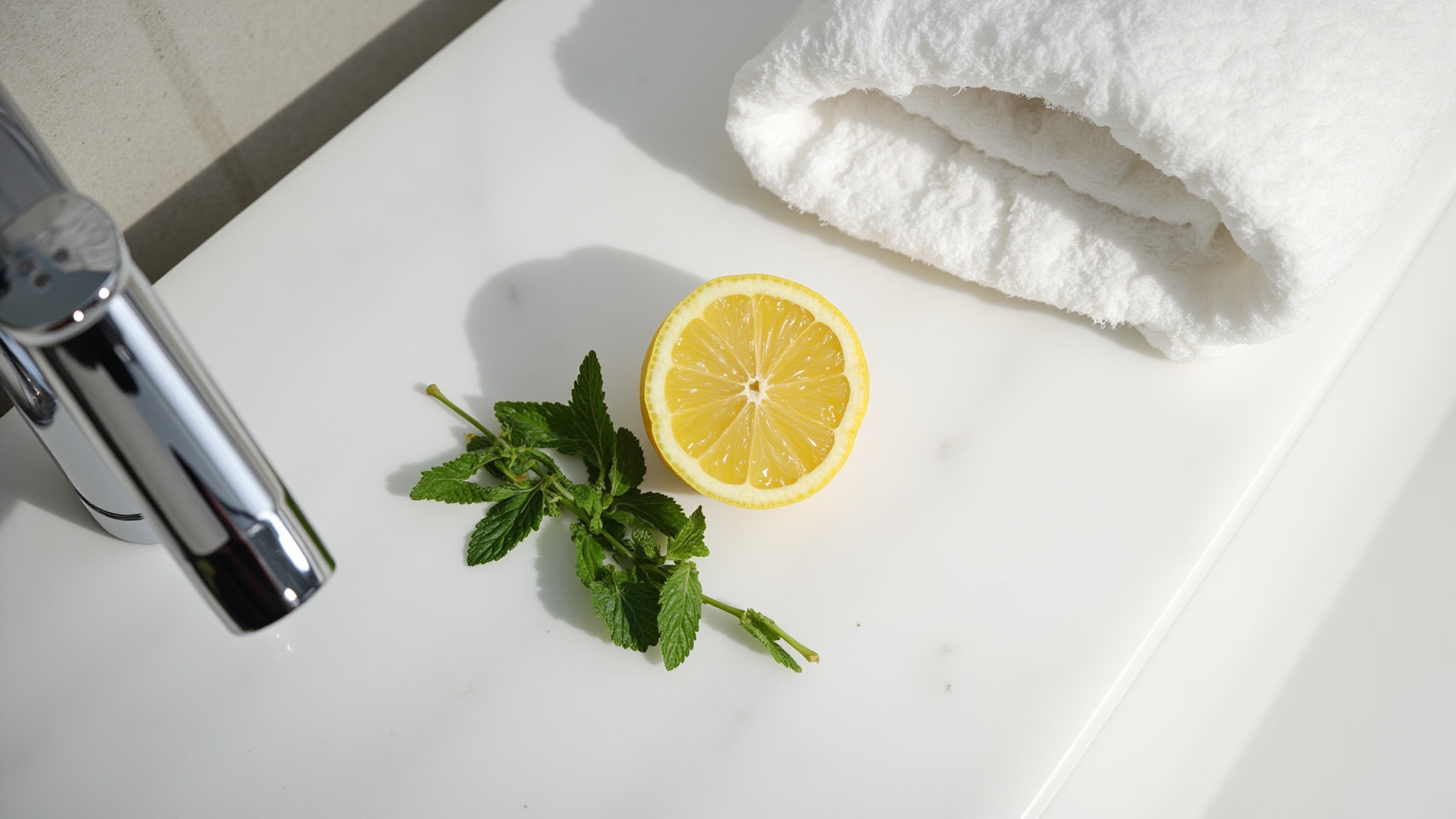
The opening arrives crisp: lemon and green mint, a little like crushed stems before the flower opens. Within twenty minutes the citrus settles and the floral heart takes over, jasmine and rose geranium lifting against a watery, almost cool green note that keeps everything from getting too sweet. The drydown is where it earns its name: a soft, close warmth of cedar and iris that remains present without being overwhelming. No huge sillage. No projection that fills a room. Just presence, the kind that lingers after you've already left.
Cultural impact
Eau Fraiche represents a specific moment in American fragrance culture. The fragrance has since been discontinued. For many, it's not just a scent, it's a memory, something that evokes a particular time and feeling. The scent remains notable among those familiar with it, serving as an example of a certain approach to fragrance composition that prioritizes subtlety and wearability.