
The Story
Why it exists.
The beginning
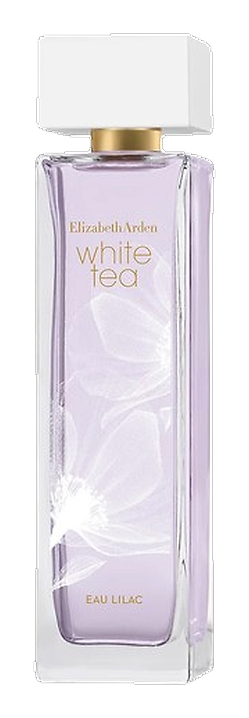
Cupids Breath arrived in 1936, taking its place in the early catalog of Elizabeth Arden fragrances. Arden had built her reputation through years of work in the beauty industry, and by the mid-1930s her name carried recognition among women who paid attention to what they wore. The name Cupids Breath draws on the imagery of Cupid, the Roman god of desire, invoking the suddenness of attraction, the moment before someone realizes they've been struck. Sources indicate Arden aimed the fragrance at brides and mothers of infants, women at the beginning of love stories, women who wanted to wear the possibility of something. There is a softness in the name itself, a whispered promise rather than a declaration, and that quality of restraint would carry through into the juice inside the bottle.
Lilac is the entire composition. That single note is the spine of Cupids Breath, a soliflore in an era when many fragrances layered citrus, spice, and dense base materials into complex structures. Arden chose simplicity. One flower, one idea, one breath. The lilac note carries with it a sense of springtime freshness, a green-leafed opening that feels alive on the skin, and a sweetness that never crosses into the syrupy territory of heavier florals.
The evolution
The first spray lands in a cloud of fresh, green lilac, dewy and alive, the petals still wet from a garden that hasn't quite warmed up. Within minutes, the green sharpens slightly, a soft spicy lift that gives the floral its structure without competing with it. The lilac simply arrives, the way lilac bushes appear in spring without asking permission. The heart settles into a warmer, creamier register as the fragrance moves through its second hour. The lilac sweetens, softens, moves from living plant to something more like pressed petals in a book. There is a gentleness to this transition, nothing dramatic, just a slow drift from the brightness of opening into the softer warmth of mid-wear. The base is quiet. A soft musky warmth holds the sweetness without adding weight, and the whole thing stays remarkably close to a single idea throughout.
Cultural impact
Cupids Breath holds a distinctive place among Arden's fragrance offerings, a quieter companion to the house's more assertive compositions. Where other Arden fragrances made bold statements, Cupids Breath was meant for brides and mothers of infants, positioned for the softer, more tender moments of a woman's life. The fragrance is a soliflore, a composition built around lilac as the central and defining note, which gives it a kind of architectural clarity that many fragrances from the period lacked. Its appeal lies in that simplicity, the willingness to let one flower speak for itself without ornamentation.