The Story
Why it exists.
The beginning
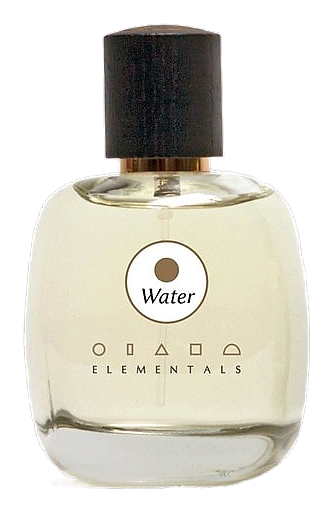
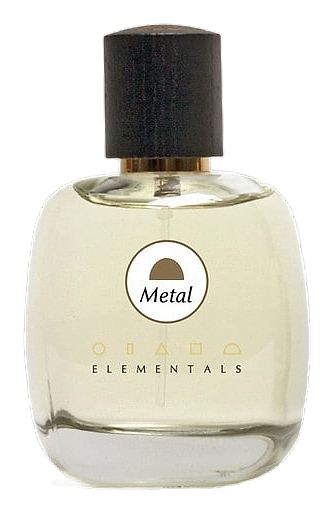
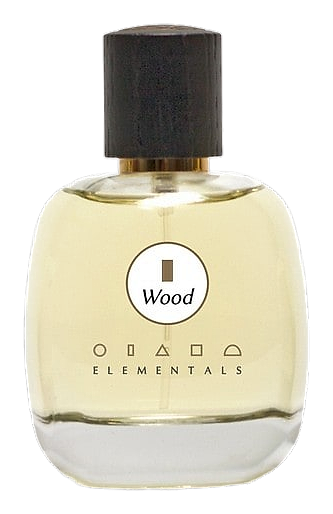
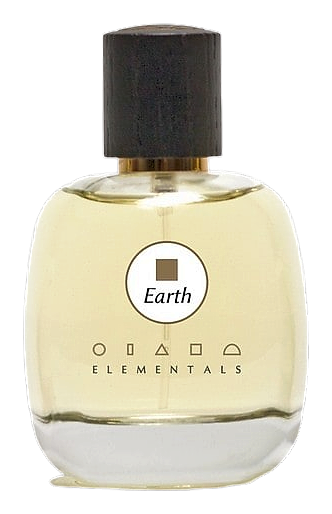
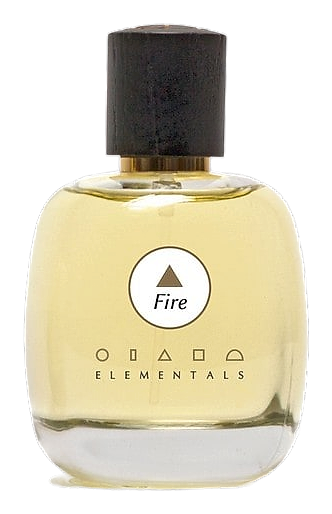
Fire was released in 2014, composed by Sylvain Fourré for the Elementals collection. The fragrance exists at the intersection of the five-element philosophy that would later define the brand, Fire as yang energy, as power and sensuality made aromatic. Fourré built this around a specific tension: the bright, sparking heat of ginger and pink pepper against the quiet authority of rose. Not fire consuming itself. Fire choosing what to burn.
What makes Fire unusual is its structural honesty. Oriental-spicy fragrances typically promise transformation, an opening that leads somewhere, a base that earns its weight. Fire delivers the journey, but the destination was never in doubt. Rose is the protagonist from beginning to end, never hiding, never retreating. The warm spice and woody base aren't there to surprise you. They're there to make rose interesting. Cashmere wood gives the florals somewhere to land. Red pepper and incense in the drydown don't announce a second act, they add texture to the one that's already been running. It's a composition that commits to its central idea without apology.
The evolution
The opening arrives quickly: pink pepper and ginger give it sparkle, a citrus brightness from the bitter orange lifts everything before it settles. Within twenty minutes the rose has already established itself, warm and floral, doing exactly what it intends to do for the next several hours. There's no dramatic reveal. The drydown doesn't transform so much as deepen, cashmere wood softening the edges, incense and labdanum adding a resinous warmth that keeps the rose interesting without competing with it. On fabric, it lingers. The next morning, there's a quiet trace of warmth where the skin met the cloth. Six to eight hours is the range on most skin types, sometimes pushing further into evening if applied at pulse points.
Cultural impact
Fire arrived during a period when niche perfumery was shifting toward minimalism and restraint. Rather than following that trend, the 2014 release doubled down on maximalist oriental warmth, presenting rose not as a delicate floral but as a textural element woven into spicy-woody architecture. This approach influenced subsequent releases from independent houses that sought to reconcile traditional oriental richness with modern composition techniques. The Elementals collection, of which Fire was a founding member, helped establish a house language centered on single-note intensity expressed through elemental metaphors.