The Story
Why it exists.
The beginning
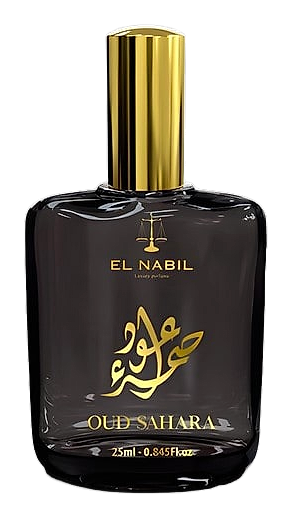
Oud Sahara draws its name from the desert, but the scent is less about geography than temperature. The bottle asks you to think about heat the way stone holds it after sundown, radiating slowly into cool air, dense and patient. The composition layers agarwood into a structure that treats sweetness as a load-bearing element rather than ornament, so the caramel and resinous notes sit at the same level as the woods, each one supporting the others. What comes through on skin is a kind of cooked warmth, like sugar caught at the edge of caramelization before it tips to burnt, woven through with the dry, almost mineral quality that good oud carries when it's not buried under fruit or syrup.
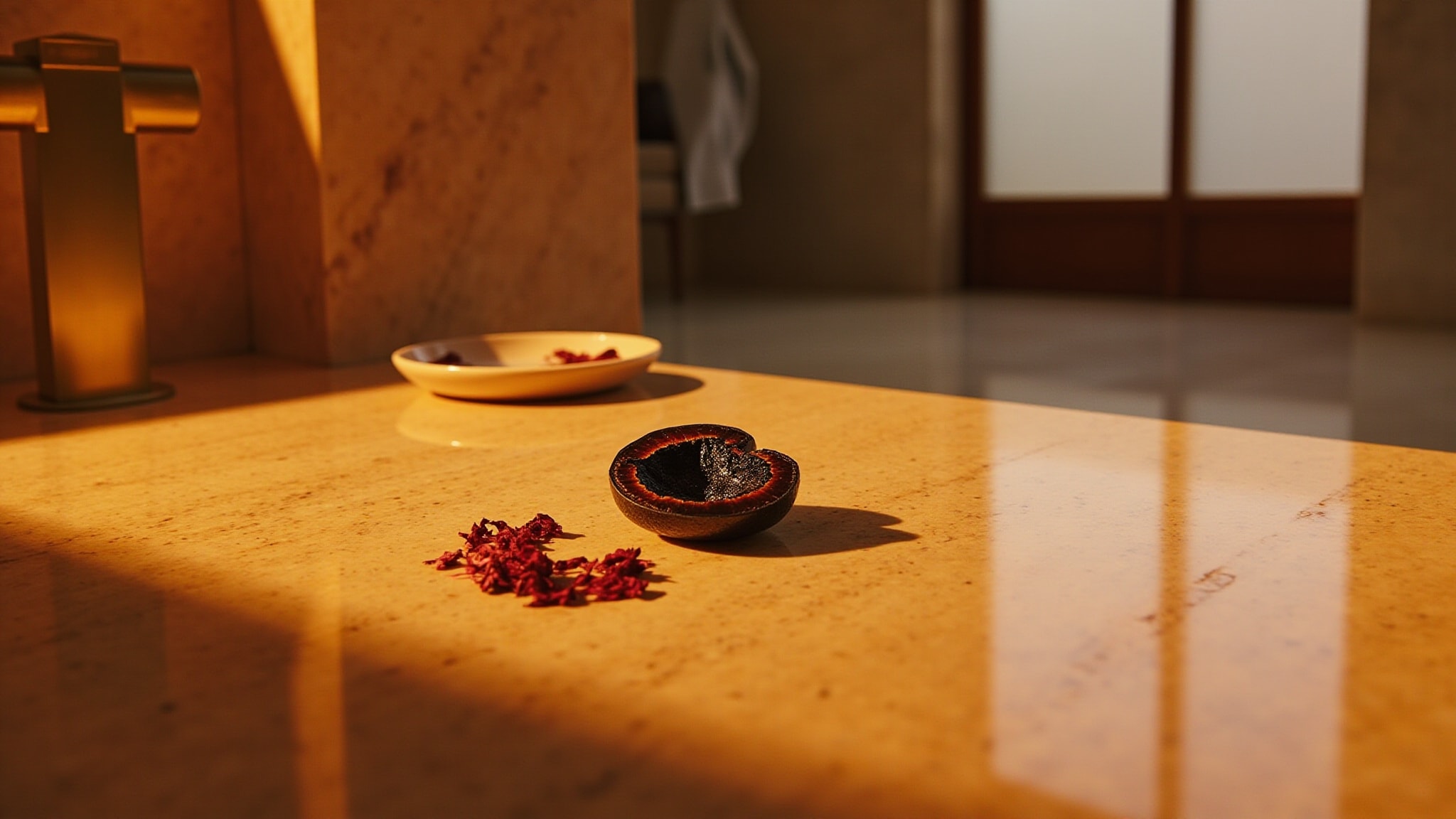
What sets this composition apart is how the caramel behaves. Caramel shares the base with oud, cedar, and sandalwood, so it functions as a bridge between the resinous wood and the skin, softening the oud's sharper edges without turning the drydown into dessert. It adds a roundness that keeps the woods from feeling brittle or thin, giving them something to lean against. Saffron does similar work in the heart, lending a dry, almost metallic warmth that keeps the rose from drifting into something purely pretty.
The evolution
Bergamot arrives first, briefly, almost like a formality. Within minutes, the saffron and rose take over, and the rose here reads warm and slightly bruised, not fresh. The saffron's metallic edge pushes the heart toward something spiced and serious. By the two-hour mark, the oud has settled into its full register. It's not the loud, barnyard oud of some compositions. It's drier, closer to smoke than rot. The caramel emerges late in the first hour, weaving through the sandalwood and cedar. By hour three or four, the composition has become a close-skin affair. The cedar grounds everything. The sandalwood adds a milky smoothness. The caramel and oud trade turns in the foreground. On fabric the next morning, the sandalwood and a trace of caramel linger, softened, quieter, almost powdery. The drydown isn't dramatic, but it earns its place through patience rather than persistence.
Cultural impact
Oud Sahara sits comfortably in the space between traditional Arabic perfumery and European sensibility. The saffron-rose heart gives it a kind of crossover quality, familiar enough for someone stepping into oriental perfumery for the first time, complex enough to hold the attention of someone already immersed in it. That balance is part of what makes the composition work across contexts. It has enough warmth and resinous depth to feel at home in cooler weather, enough sweetness and softness to wear in transitional seasons, and enough restraint to avoid overwhelming in close quarters.