
The Story
Why it exists.
The beginning
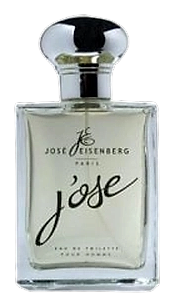
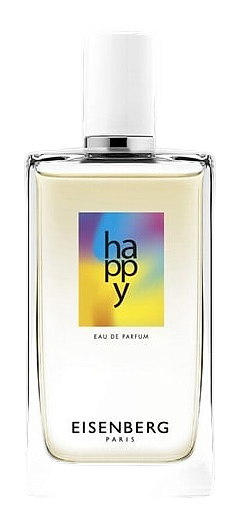
The name says everything. Eisenberg created Happy not as a concept but as a conviction, that a fragrance can shift your entire morning before you've left the house. The brief was simple: bergamot, yellow florals, something that feels like the exhale after a good laugh. No pretension. No complicated narrative. Just a scent that makes the act of getting dressed feel like a small act of self-respect. It launched in 2022, joining a house known for precision and restraint, but Happy chose a different register entirely, joy without apology.
What makes Happy unusual in the Eisenberg lineup is its refusal to complicate things. The house often leans intellectual, scents that reward attention, that reveal themselves slowly. Happy does the opposite. It opens clean, declares its intentions immediately, and spends the rest of its time on skin being genuinely, uncomplicatedly pleasant. The mimosa and heliotrope pairing is the engine here, both powdery by nature, but heliotrope adds an almost almond-like warmth that stops the composition from reading flat. Sandalwood in the base is the quiet anchor. It doesn't project or dominate. It just makes sure that when the florals start to fade, there's something soft and lasting left behind.
The evolution
Bergamot opens Happy with a brief, bright flash, citrus that reads more like morning light than cologne. The cyclamen adds a subtle coolness underneath, a slight watery edge that keeps the bergamot from feeling too sunny. Within twenty minutes, the yellow florals take over completely. Mimosa leads, unapologetically powdery, with freesia providing a lighter counterpoint. Jasmine is the quiet worker here, it doesn't announce itself but it deepens the heart, stops it from floating away. By the third hour, the base arrives. Musk and heliotrope create something close to skin-warm, the scent of someone you've known for years. Sandalwood keeps it grounded without adding drama. On most skin, Happy holds for six to eight hours. The sillage stays moderate throughout, which means it never dominates a room. It doesn't need to. By hour five, it's a memory that makes people lean in closer.
Cultural impact
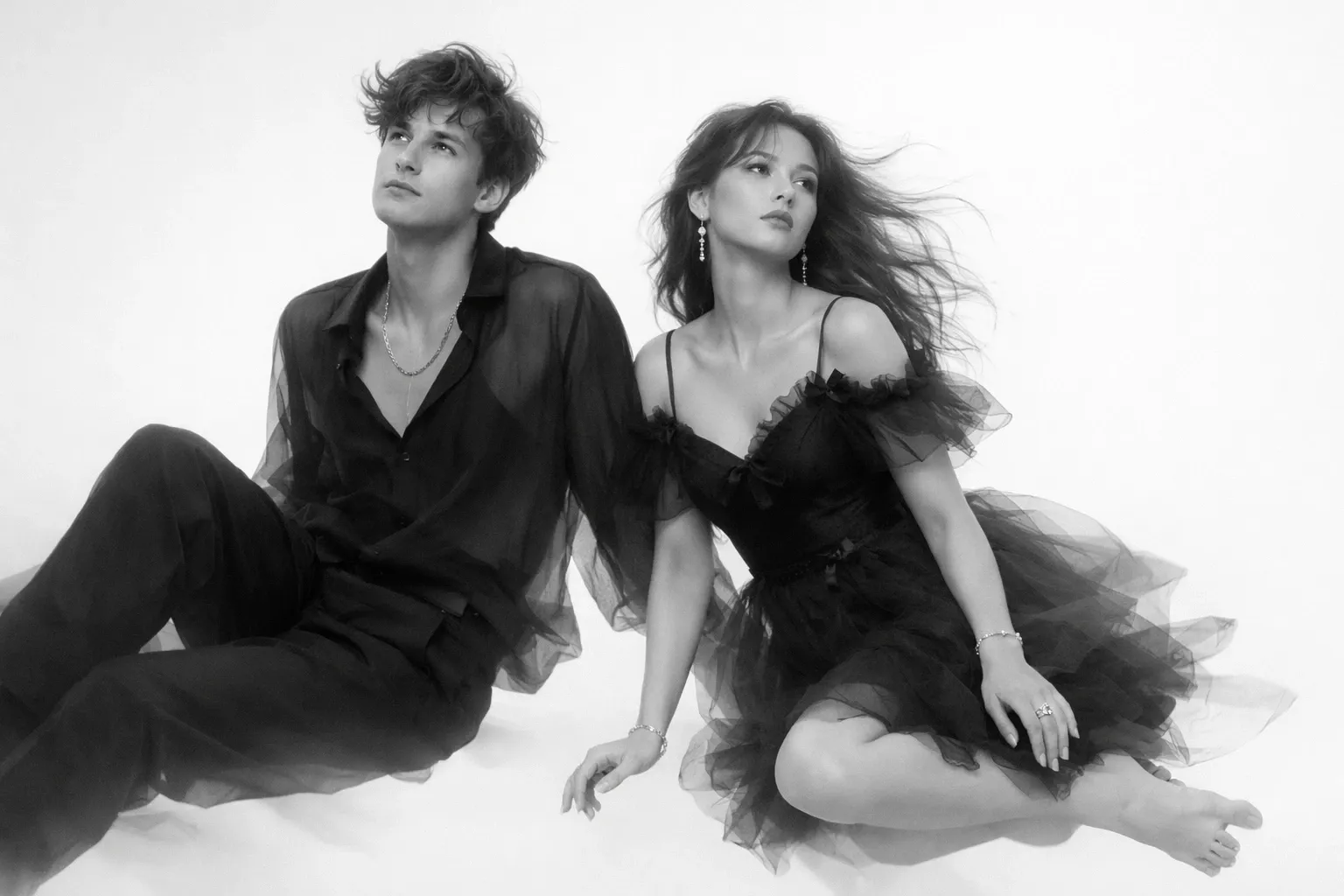
Happy arrived at a time when designer fragrances were shifting toward accessibility and mass appeal without sacrificing quality. José Eisenberg, known for his editorial approach to fashion, brought that same philosophy to fragrance. The minimal advertising campaign, featuring Eisenberg himself, stood out in a market saturated with celebrity endorsements. The scent became a quiet favorite among those who appreciated its unapologetic freshness and lack of pretense. In the context of early 2000s fragrance trends leaning toward sweeter, heavier compositions, Happy offered a crisp alternative that felt both modern and timeless. Its sustained presence in department stores without aggressive marketing campaigns speaks to its loyal following.