The Story
Why it exists.
The beginning
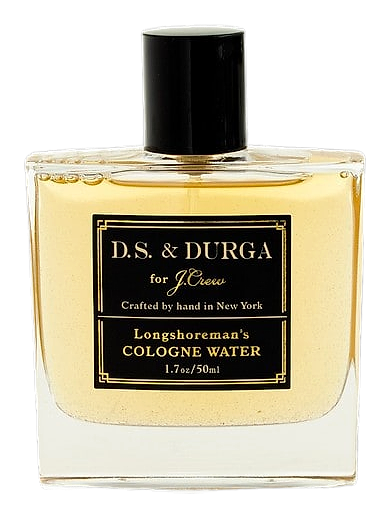
2013 brought DS&Durga to J.Crew's American heritage vision. Homesteader's Cologne wasn't about a place exactly, it was about an idea. The idea of wide-open spaces, pine forests meeting ocean, sagebrush under a cold sky. David Seth Moltz, the self-taught Brooklyn perfumer who approached scent like music composition, wanted to capture that specific American loneliness and make it wearable. A cologne for people who read Jack Kerouac and actually meant it.
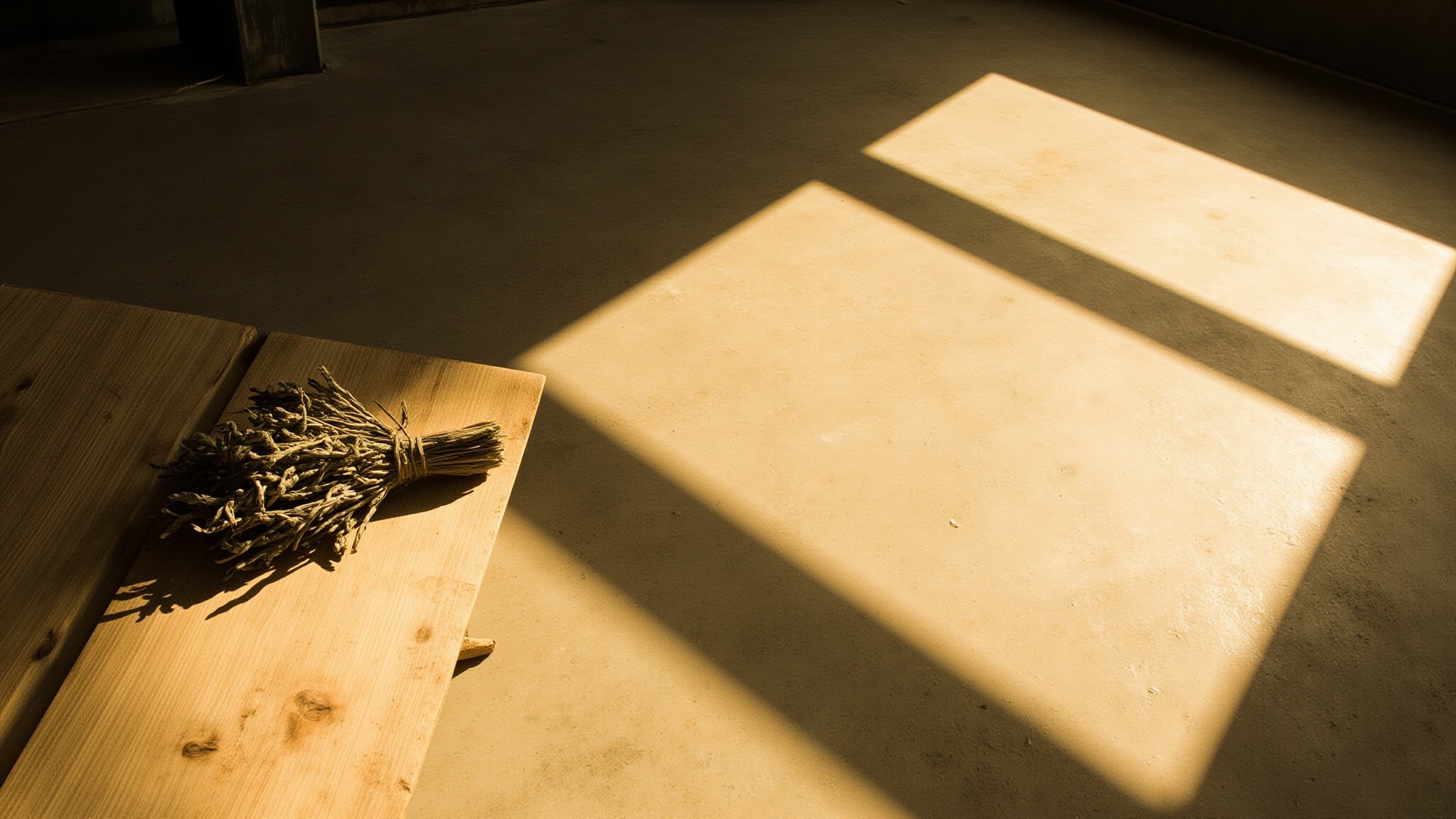
What's interesting here is the structure. Eucalyptus opens with a cold, camphorated sharpness, not warm, not soft. Then the cypress and sage arrive together, herbal but not sweet. The seaweed is the surprise: it doesn't smell like seafood or aquatic accord. It smells like mineral dampness, the edge where ocean meets rock. This keeps the whole composition grounded and slightly astringent. No sunshine here. This is morning fog and pine sap.
The evolution
The eucalyptus hits immediately, a cold, mentholated bite that clears the sinuses. Think Vicks VapoRub on a pine board. This lasts twenty minutes before the herbal heart takes over. Cypress and sage arrive together, softening the camphor with something greener and more resinous. The seaweed sits beneath, adding mineral weight without brine. By the second hour, the fragrance has settled into woody territory. The camphor fades to a clean, dry base, think pencil shavings and dried sage. This drydown holds for another 3-4 hours on most skin types. On fabric, it lasts into the next day as a faint ghost of pine and salt.
Cultural impact
Homesteader's Cologne arrived during a wave of heritage and craft revival in American fashion, when J.Crew and similar brands were championing quality Americana. It occupied an unusual space: masculine, but not aggressive. Fresh, but not clean. The eucalyptus-seaweed combination was ahead of its time, predating the coastal-granny aesthetic by nearly a decade. It's the kind of fragrance that people either love immediately or find too strange to revisit. Those in the first camp tend to be people who've actually spent time on the Pacific coast, where the air smells like pine, fog, and something slightly medicinal.