The Story
Why it exists.
The beginning
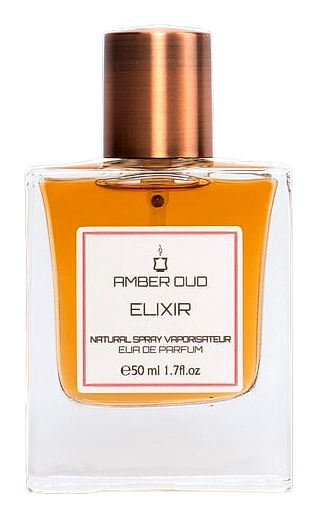
Saud Malallah composed Elixir, a fragrance that doesn't reach for shortcuts or easy accessibility. The composition leans on materials with weight: agarwood (oud), patchouli, nagarmotha, and vanilla. These are notes that carry their own gravity, combinations that have shown up in serious perfumery for a long time, worn by people who already understand what they're smelling. Malallah didn't soften the edges or sand down the parts that might unsettle a newcomer. The oud hits the way oud hits: present, unapologetic, rooted. The patchouli grounds it with that damp-soil richness. Nagarmotha adds its own texture, pulling things toward smoke and root rather than fruit or sugar. Vanilla rounds the corners without ever tipping into gourmand territory.
What makes Elixir worth pausing on is the proportion. Oud isn't a single high note that announces itself and disappears; it's the architecture the whole structure sits on. Patchouli adds the soil under it, that loamy, dark-earth depth that makes the oud feel rooted rather than floating. Nagarmotha pulls the composition sideways into something drier, more mineral, less obviously sweet. And then vanilla, not as dessert but as a softening agent, the thing that makes the whole structure livable on actual human skin.
The evolution
The first thirty minutes are the loudest Elixir gets. Oud announces itself with that sharp, almost medicinal opening, the kind of note that makes people unfamiliar with oud wrinkle their nose. Patchouli thickens underneath, adding that chocolate-dirt quality that defines the best of them. Give it an hour and the nagarmotha starts pulling the composition toward something drier, more textured, less overtly resinous. The vanilla never fully arrives as sweetness. It works more as a hum, a warmth in the lower register that keeps the oud from feeling cold or austere. As the hours pass, what remains sits close, inward-facing. Elixir doesn't project much after the opening. It becomes a private thing, something the wearer knows is there and the people close enough to lean in can catch. The oud softens into something warmer, less aggressive, more like worn wood than fresh resin.
Cultural impact
Elixir sits firmly inside the tradition of oud-forward compositions that have been worn across the Arabian Peninsula for generations. It wears like something composed by a perfumer who already knew what oud could do, and decided to let it do exactly that. The fragrance doesn't translate itself into easier, more familiar terms. It doesn't try to make oud palatable by burying it under fruit, sugar, or synthetics. What you get is oud as oud, supported by patchouli, nagarmotha, and vanilla, each material holding its own weight. For wearers unfamiliar with the material, Elixir offers a direct encounter rather than a softened version.