
The Story
Why it exists.
The beginning
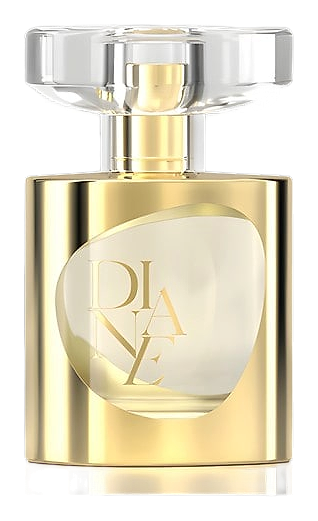
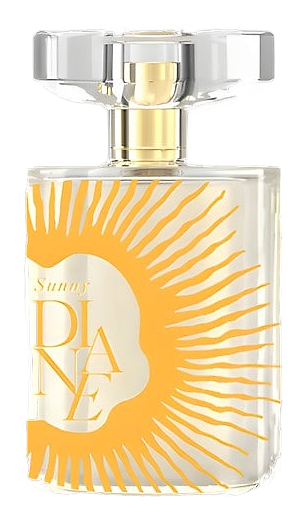
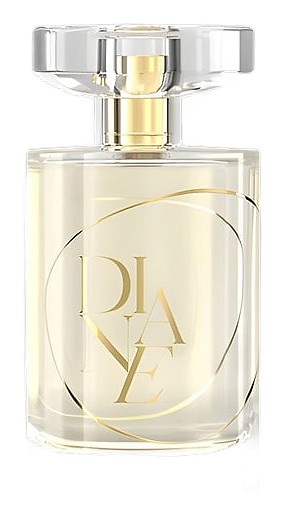
Aurélien Guichard designed Diane in 2011. The fragrance opens with bright, translucent florals, delicate jasmine blossom and soft rose petals that seem to float rather than announce themselves. There's a gentle warmth underneath, a hint of something musky and intimate that develops as the top notes lift. The heart settles into a powdery softness that clings close to the skin, never overwhelming. Over time, the fragrance moves into a quiet drydown of soft woods and subtle skin-like warmth, lingering for hours without ever becoming loud or insistent. The composition achieves a delicate balance between floral brightness and deeper, more mysterious undertones that reveal themselves gradually on the skin.
The five notes here don't compete, they conspire. Musk provides the skin-like warmth that makes everything feel familiar. Violet delivers powdery elegance without the sometimes-heavy weight of iris. Frangipani softens the tropical entry, gentler than gardenia, less shouty than tuberose. Myrrh adds a resinous warmth that grounds without darkening. And patchouli, the earthy, woody anchor that keeps all the florals from flying away. The composition is structured around balance rather than impact, which is exactly why it works. Nothing shouts. Everything belongs.
The evolution
The opening is immediate and intimate, a soft powder that reads as clean skin rather than heavy florals. Violet announces itself quickly, but it's not a shout. More like a breath. The frangipani arrives quietly, tropical and tender, never pushing into sweetness. Then the handoff: myrrh and patchouli take the lead, warm and resinous but kept close to the body. The drydown is the real payoff. Musk-dominant, powdery, with a woody-balsamic trail that lingers at the wrists and collarbone. It fades to skin-warmth by evening, a soft trace by nightfall. Moderate projection throughout, present for those nearby, absent for those across the room.
Cultural impact
Diane was released in 2011. It occupied a niche in fashion fragrance, offering a composition rooted in powdery florals within the chypre tradition. The fragrance featured a delicate interplay of jasmine and rose at its heart, softened by powdery accords and grounded by a warm, mossy base. Over time, the scent developed a devoted following among those who return to classic floral chypre structures. Though it eventually slipped from production, it retains a small dedicated following who appreciate its quiet sophistication and intimate presence on the skin.
The House
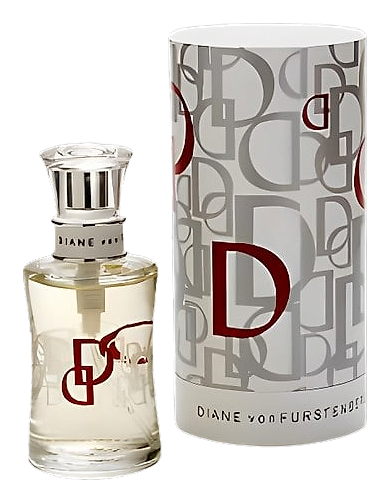
Diane von FurstenbergDiane von Furstenberg built one of fashion's most recognizable empires on a single silhouette. The wrap dress, introduced in 1972, became synonymous with a certain kind of confident femininity, selling millions and earning a permanent place in the wardrobes of working women. Beyond fashion, the DVF brand encompasses a fragrance collection that began with Tatiana in 1975 and expanded over decades to include Volcan d'Amour (1981), D (2003), and several additional flankers. The brand maintains licensing partnerships for its fragrance development, working with industry partners to translate its fashion identity into scent. DVF products reach consumers through department stores, specialty retailers, and the brand's own retail channels. The company remains headquartered in New York City, continuing the vision of its founder who rose from European aristocrat to American fashion force of nature.
The Creator
Aurélien GuichardAurélien's style could be described as refined and elegant, with a focus on natural ingredients. He often uses roses, a nod to his family's history, but he isn't limited by tradition.