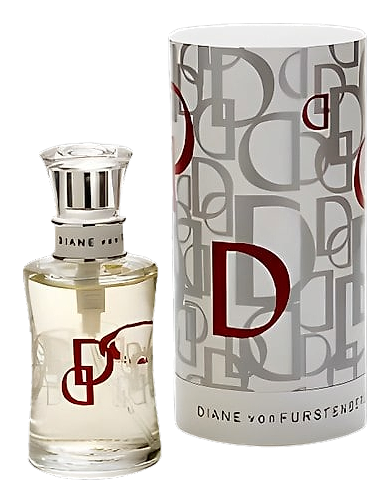


Heritage
A house, in its own words
Diane von Furstenberg, born Diane Halfin, initially rose to prominence in 1969 when she married into the German princely House of Fürstenberg as the wife of Prince Egon von Fürstenberg. Her trajectory shifted dramatically when she moved to New York City and introduced the wrap dress in 1972, a simple jersey design that became a wardrobe staple for working women across the country. The DVF fashion house officially launched in 1976, cementing her status as a major figure in American fashion. Her fragrance journey began with Tatiana in 1975, followed by Volcan d'Amour in 1981, establishing her presence in the beauty industry. The company has maintained licensing partnerships for fragrance development, reportedly working with Paris-based development company Crea and its founder Chantal Roos for product creation. Her collaboration with The Estée Lauder Companies placed her alongside other pioneering women in the beauty industry, a connection that was highlighted during Women's History Month programming. The brand's longevity reflects its founder's ability to evolve with changing tastes while maintaining a recognizable aesthetic identity. From the wrap dress to her signature fragrance, her work has consistently centered on designs that empower women to feel confident and in charge of their own image. Diane von Furstenberg's approach to fragrance reflects her broader philosophy of confident femininity. Her famous declaration "I wanted to be a woman in charge" encapsulates a worldview that has driven both her fashion and beauty ventures. She has developed fragrances that align with her fashion house's aesthetic, translating the bold, empowering sensibility of her clothing designs into scent. Her fragrance philosophy reportedly emphasizes the importance of scent as a form of self-expression, much like fashion itself. The brand has maintained its commitment to accessible luxury, offering fragrances that carry the DVF identity without requiring the investment of high-fashion pricing. Working through licensing partnerships, the brand has approached fragrance development as an extension of its fashion DNA rather than a separate creative exercise. This integrated thinking reflects a philosophy that sees fragrance and fashion as natural companions in a woman's self-expression toolkit. The brand's longevity suggests an approach that resonates beyond trend cycles, appealing to women who seek enduring style over seasonal novelty.