The Story
Why it exists.
The beginning
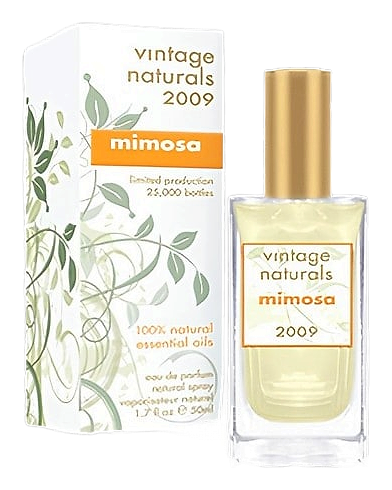
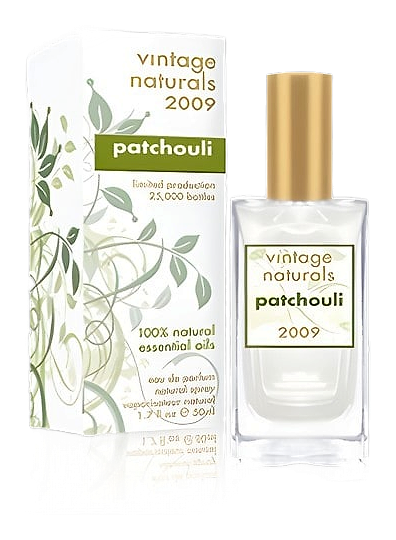
The Vintage Naturals 2009 collection arrived in May 2009 as part of Demeter's ongoing exploration of single-note fragrances. Five fragrances, Geranium, Lavender, Mimosa, Patchouli, and Rosebush, each built around a single botanical, were presented as limited editions meant to evolve like wine. Patchouli was among them, offered as a patchouli interpretation rather than a straightforward patchouli oil. In a house known for literal translations such as Orange Juice and Fresh Cotton, this fragrance took a more interpretive approach to its central note. The collection invited wearers to experience how a single botanical could reveal different facets over time, much like a wine developing complexity in the glass.
What makes this version stand out is its refusal to play the stereotype. Patchouli carries baggage: incense, tie-dye, aggressive sweetness. Demeter's take sidesteps all of it by pairing the earthiness with Virginia cedar and a measured dose of nutmeg. The result reads as dry and woody first, earthy second. The orange in the top keeps it from feeling austere, but only barely. This is a composition that earns its simplicity, nothing decorative, nothing wasted.
The evolution
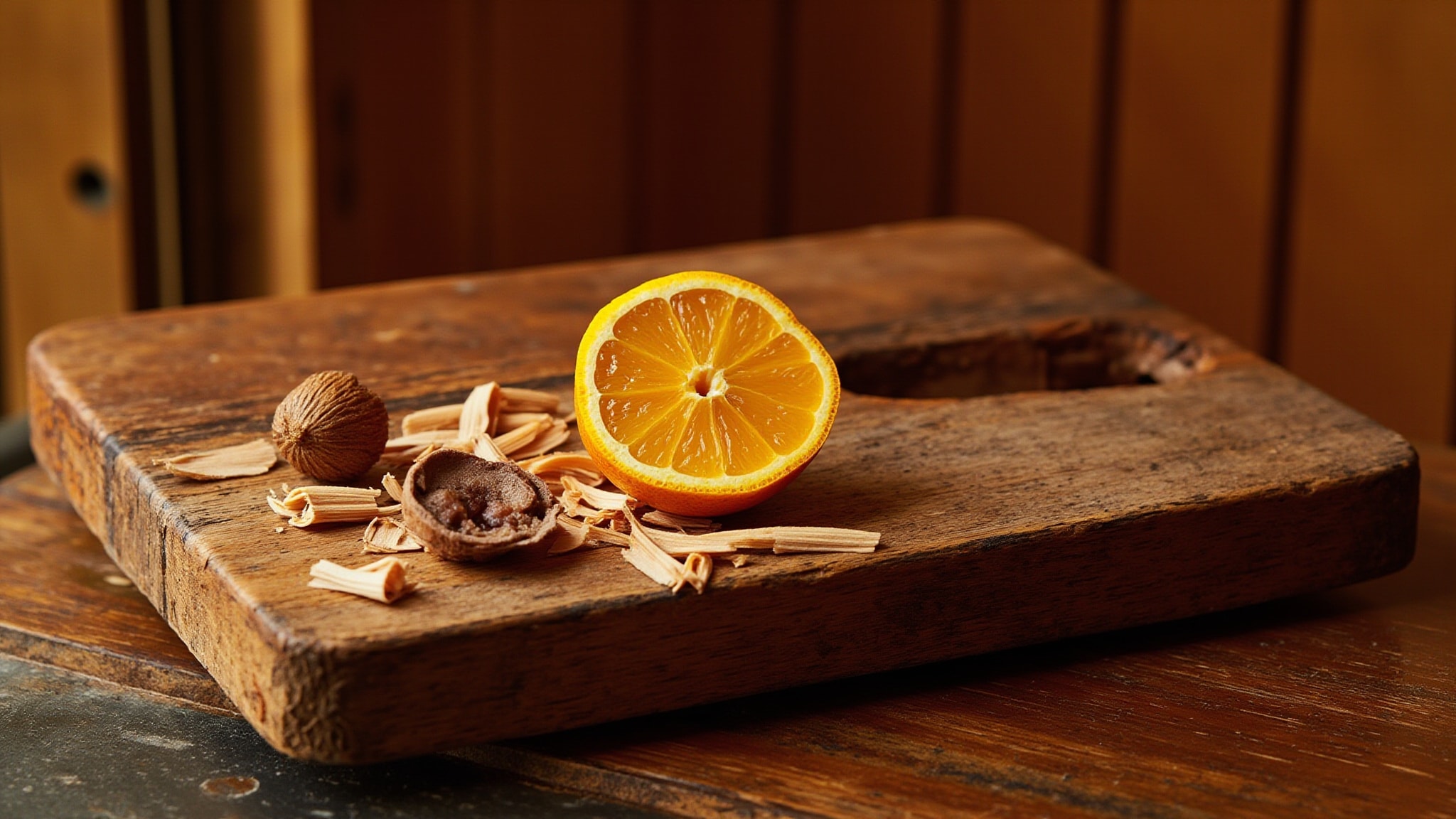
The opening hits with cedar's sharp, pencil-shaving warmth immediately softened by orange's brightness. Two minutes in, the citrus recedes and the spice emerges, nutmeg lending a quiet heat that never climbs to fever pitch. The heart holds for two to three hours, all dry wood and aromatic warmth. Then the patchouli steps forward, not in the earthy, head-shop way, but in the way fresh earth smells after rain. Vetiver extends the drydown, adding a smoky mineral quality that stays close to the skin. The drydown lingers on fabric, a faint trace of wood and earth that remains present.
Cultural impact
The Vintage Naturals 2009 collection offered patchouli in a dry, woody, and unapologetically natural style, differing from the sweet, incense-forward interpretations that dominated the broader patchouli category. This particular take on patchouli provided a different option for wearers drawn to more straightforward botanical presentations, standing apart from the heavily accented interpretations common during that era.