The Story
Why it exists.
The beginning
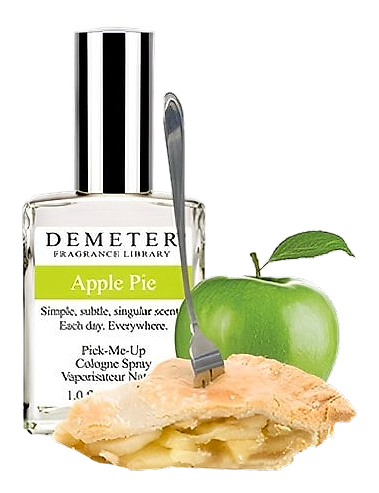
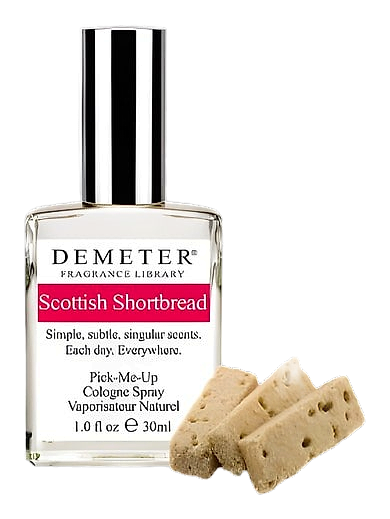
Released in 2000, Scottish Shortbread sits inside Demeter's catalog of single-note experiments, a line built around the idea that everyday smells deserve their own bottle. The brand's own copy wastes no time: butter, eggs, more butter. Just shortbread, that rich butter biscuit traditionally served at Christmas and New Year with tea. Sugar dissolves into the warm wheat backbone, and the butter note wraps around everything like a second skin, dense and golden rather than sharp or greasy. There's a faint toasted edge here too, the kind that comes from the corner of a baking tray where the dough caught a little extra heat. It smells less like a composed perfume and more like something you'd pull from a tin with a paper liner. The simplicity is the point.
What makes this composition unusual is what it leaves out. There's no floral lift to brighten the butter, no resinous base to anchor the sugar, no boozy warmth to round out the edges. Scottish Shortbread strips the concept back to its structural minimum: sugar for sweetness, wheat for the warm, bready backbone. The buttery character is unmistakable, rich and rounded, with that slightly waxy quality that real butter takes on when it softens at room temperature. The sugar note reads as confectioner's sugar rather than caramelized, which keeps the whole thing from tipping into burnt territory.
The evolution
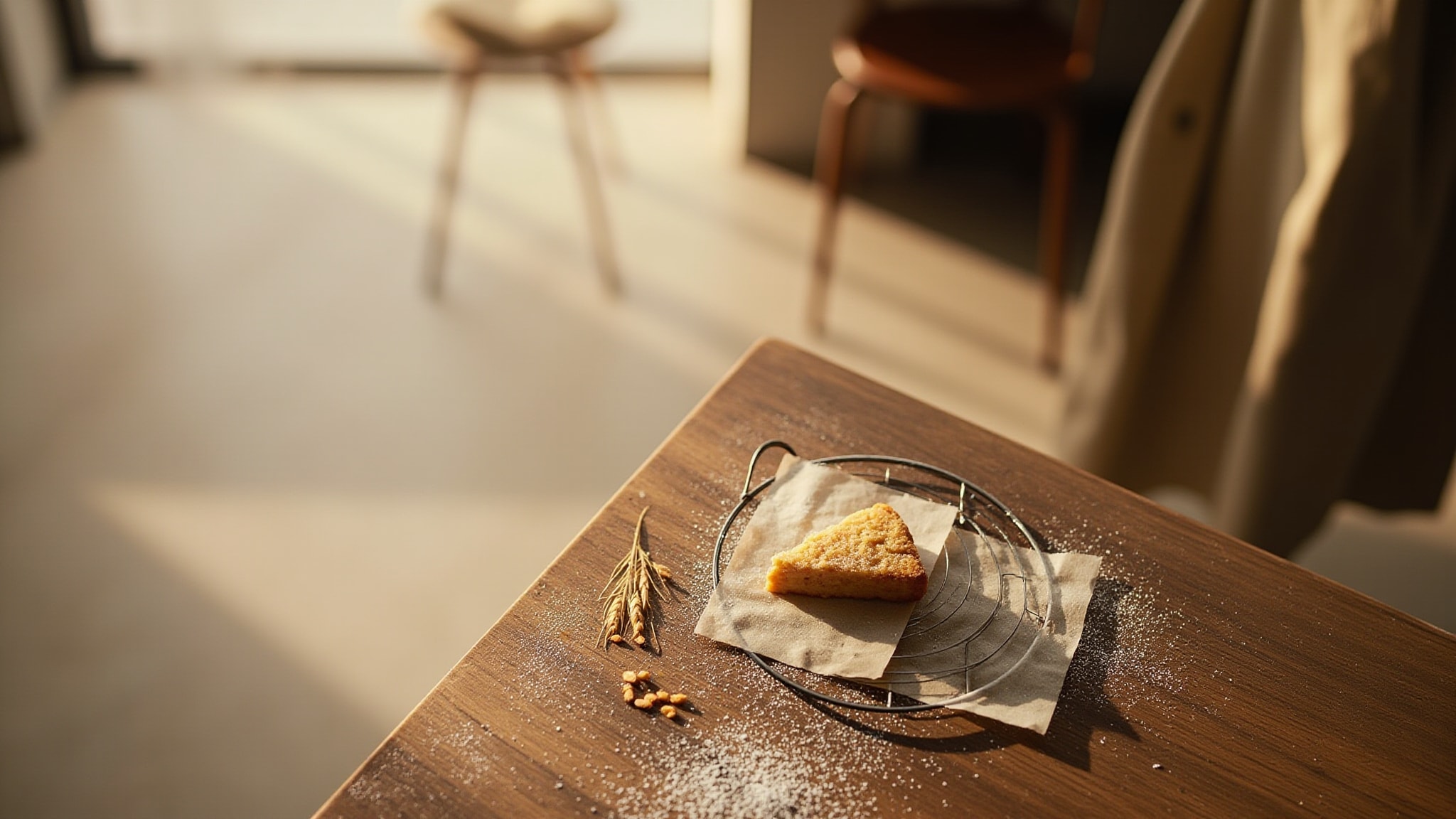
The opening arrives exactly where you'd expect: rich butter and sugar, with a soft, almost cake-batter warmth underneath. There's no bright citrus to cut through, no herbal edge to complicate things. Just that dense, sweet, slightly powdery impression of fresh shortbread cooling on a wire rack. As the composition settles, the sugar softens and the wheat note pushes forward, lending a grainy, almost flour-dusted texture to the sweetness. The whole thing takes on a creamier, more vanillic warmth without ever introducing actual vanilla, more the idea of vanilla than the bean itself. Think buttercream left out on the counter, slowly losing its chill. The drydown doesn't really arrive so much as gently continue in the same direction, fading from full sweetness into a quiet, dusty warmth.
Cultural impact
Scottish Shortbread arrived as part of a growing catalog that includes siblings like Gingerbread, Sugar Cookie, and Cinnamon Bun, each one isolating a baked-goods memory with the same minimalist approach. For wearers, it's less about prestige and more about comfort: the fragrance equivalent of opening a tin your grandmother kept in the cupboard. The scent taps into a specific kind of nostalgia, the warmth of holiday baking rather than any grand olfactory statement. It wears close to the skin and asks for nothing more than a sweater and a cold afternoon. That accessibility is precisely why it resonates.