The Story
Why it exists.
The beginning
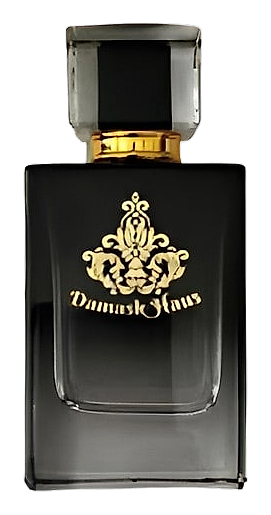
Fenghuang launched in 2021, and the scent itself leans hard into a structure built on contradiction. Bright tropical fruit opens the composition and immediately collides with smoke and wood, two materials that have no business sharing a bottle and yet somehow hold the conversation together. The fruit notes carry a ripe, almost cocktail-like sweetness in the opening, while the smoke waits just beneath the surface, warm and resinous rather than acrid. As the hours pass, the wood reveals itself in slow increments, a dry warmth that softens the tropical brightness into something earthier and more grounded. Mango and blood orange give the top a sunny, vivid quality, but the composition never stays in that bright register for long.
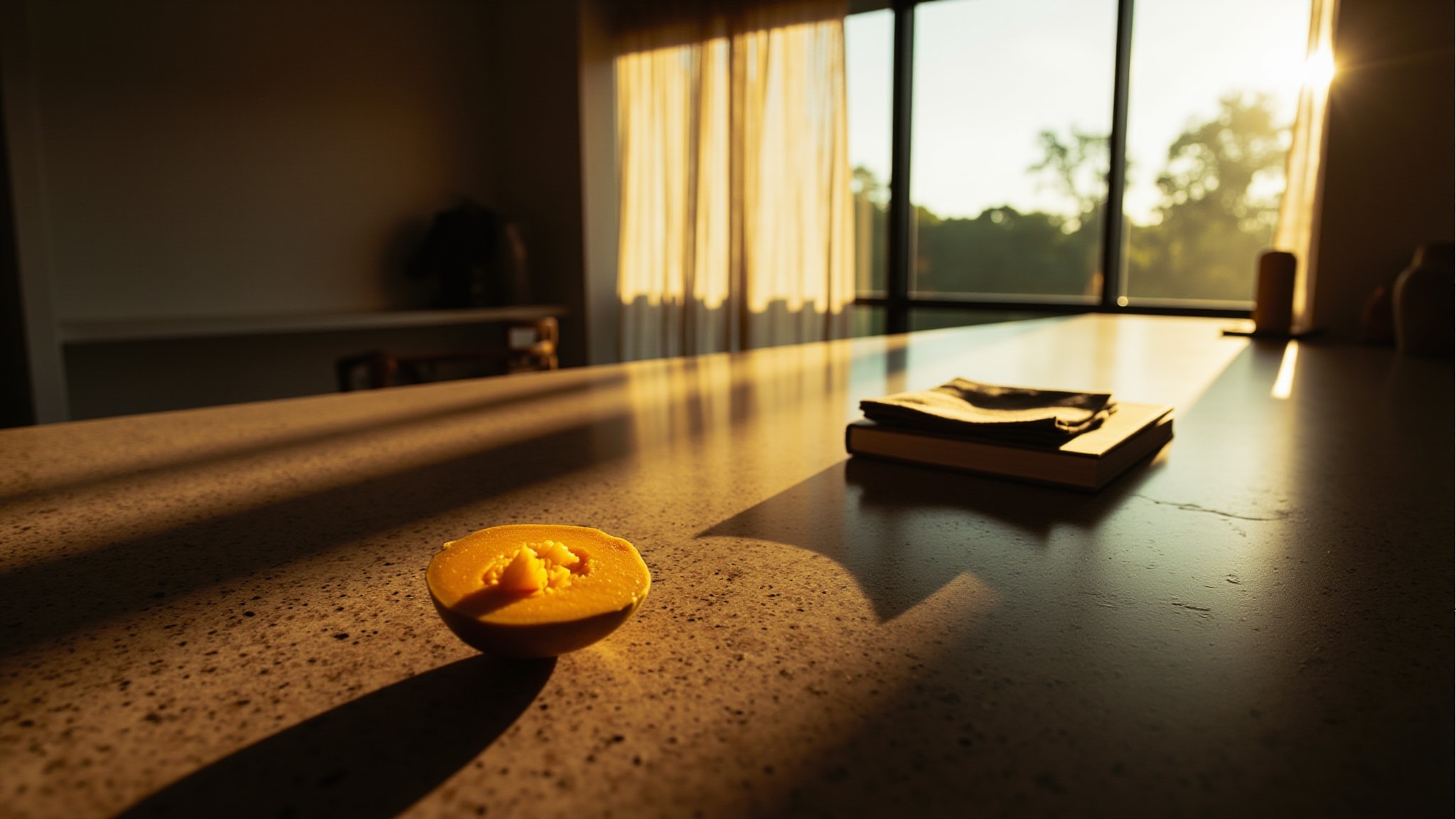
Mango and chestnut rarely share a bottle, and pairing them against guaiac wood and orange blossom is an even stranger move. The composition works because none of its elements dominate. Mango comes in with a fleshy, ripe sweetness, the kind that smells closer to fresh-cut fruit than candy. Blood orange sharpens things with a bitter citrus edge that keeps the mango from sliding into something too simple. Chestnut introduces a roasted warmth, nutty and slightly toasted, a texture more than a flavor, something dry and edible in the middle of all that fruit.
The evolution
On skin, the first 10 minutes serve almost entirely fruit. Mango lands sweet and lush, blood orange slices through with a tart, almost juicy bite, and the combination smells closer to a cold glass of something tropical than a perfume. The opening has that vivid, almost edible quality that makes you want to keep leaning in. Somewhere around the 20-minute mark, the orange blossom and jasmine rise. They don't arrive loudly. The white florals soften the fruit into something more human, warmer, less like a smoothie and more like skin. The jasmine adds a faintly green, indolic edge that keeps the floral phase from feeling powdery or stiff. Chestnut shows up quietly through the middle phase, adding a roasted, nutty undertone that most people don't consciously notice but absolutely feel. By the two-hour mark, the fruit and florals have receded.
Cultural impact
The fruit-and-smoke structure places Fenghuang in unfamiliar territory. Most compositions built on tropical fruit stay sweet, lean into the gourmand end of the spectrum, and rarely venture anywhere near woodsmoke or incense. Fenghuang refuses that template from the opening notes onward, pairing bright, sunny mango and tart blood orange with the darker, more somber register of guaiac wood and amber. The result is a fragrance that reads as singular rather than referential, hard to categorize because it borrows from too many traditions at once.