The Story
Why it exists.
The beginning
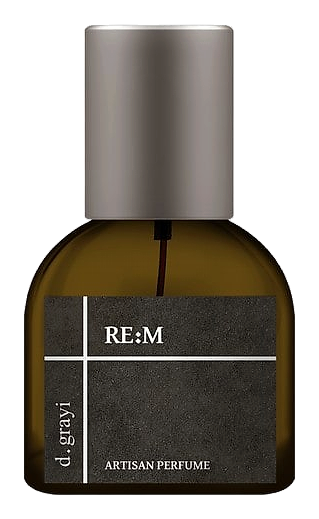
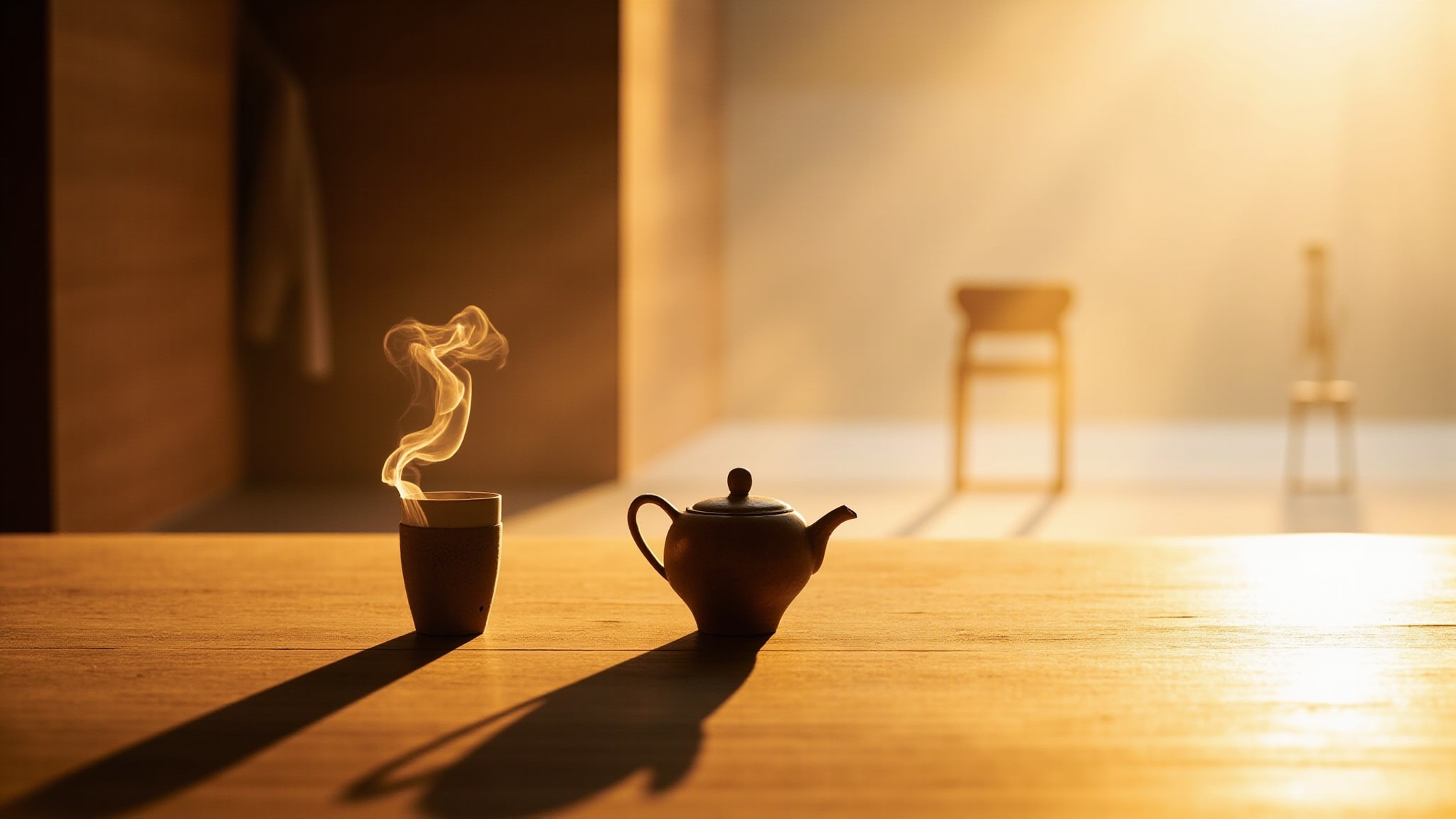
RE:M was constructed around a specific question: what does a memory smell like when it returns? Not the first time, the second, the third, when the edges have softened and only the feeling remains. The answer draws from East Asian drinking culture, where ritual and ceremony meet casual warmth shared between people who don't need to fill silences with words. Those moments became the skeleton of the fragrance. Perfumer James Nguyen built RE:M as a layered experience, meant to shift as you wear it, the way memory itself shifts each time you return to it. The construction prioritizes molecular precision, ensuring each element interacts thoughtfully within the composition.
The sake and soju pairing is unusual in perfumery. Both materials carry fermented, slightly sweet, slightly acidic qualities that sit in a narrow space between fruit and alcohol, recognizable but not predictable. Pairing them with jasmine tea amplifies that ambiguity: tea is never quite green, never quite floral, never quite bitter. It refuses to resolve into a single category. The hinoki base introduces clean, resinous wood, offering warmth and a subtle medicinal quality. The result is a fragrance that doesn't smell like any single thing.
The evolution
The opening hits mint and yuzu, crisp, immediate, almost startling in its brightness. The yuzu doesn't linger. Within minutes, sake's warmth fills the space left behind, and jasmine tea arrives to hold the middle. The carrot seed note is subtle, adding an earthy green undertone that keeps the florals from floating away. Soju threads through as a slightly sweet, fermented whisper. The heart of this fragrance is long. It breathes. The hinoki cypress emerges from the base as time passes, not loud, but unmistakable. Clean wood, a hint of something medicinal and warm. Tobacco and white musk settle close to the skin. The drydown is intimate. Someone standing near you might catch it. Someone across the room won't.
Cultural impact
RE:M occupies a corner of indie perfumery where material experimentation meets cultural reference. The fragrance uses ingredients that are uncommon in Western perfumery, working with them in a restrained way rather than shouting over the composition. It's not trying to be the loudest fragrance in the room. It's trying to be the one that someone notices later and asks about. The sake-soju combination stands out as a deliberate creative choice, unfamiliar territory that the brand navigates with precision.