The Story
Why it exists.
The beginning
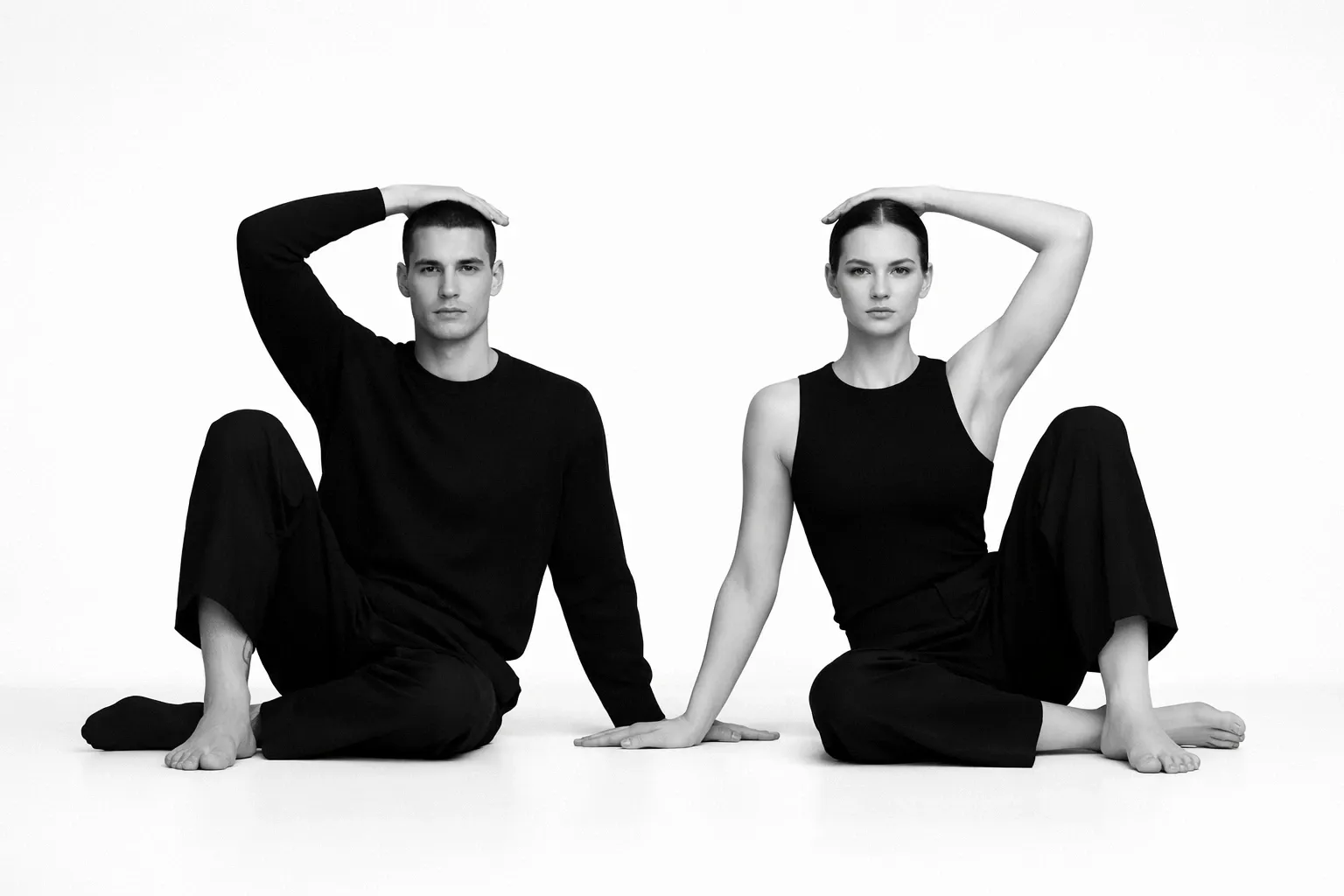
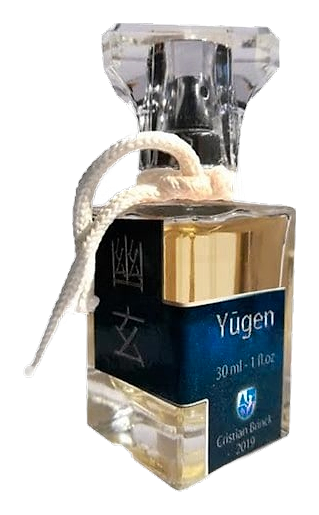
Yūgen takes its name from a Japanese concept associated with subtle emotional depth, an atmosphere that cannot be fully explained and may only be experienced. That idea fits the fragrance's measured character. Its composition is presented through a refined balance of freshness and warmth, with contrasting materials arranged to move between airy brightness and a closer, more enveloping register. The result feels less like a statement and more like a half-remembered atmosphere, elegant without announcing itself. On skin, the scent develops gradually, inviting attention through shifting textures rather than an immediate display. What begins as a lucid impression gradually gathers softness, while each layer retains enough contrast to prevent the composition from becoming static.
The interesting part is the handoff between materials that don't usually share the same emotional register. Some introduce a clean, lifted quality, while others bring a darker, earthier warmth. The brighter elements keep the composition open, but they don't remain detached from what follows. Instead, their freshness is gradually shadowed by softer textures, allowing the scent to move from airiness toward a denser, more intimate presence.
The evolution
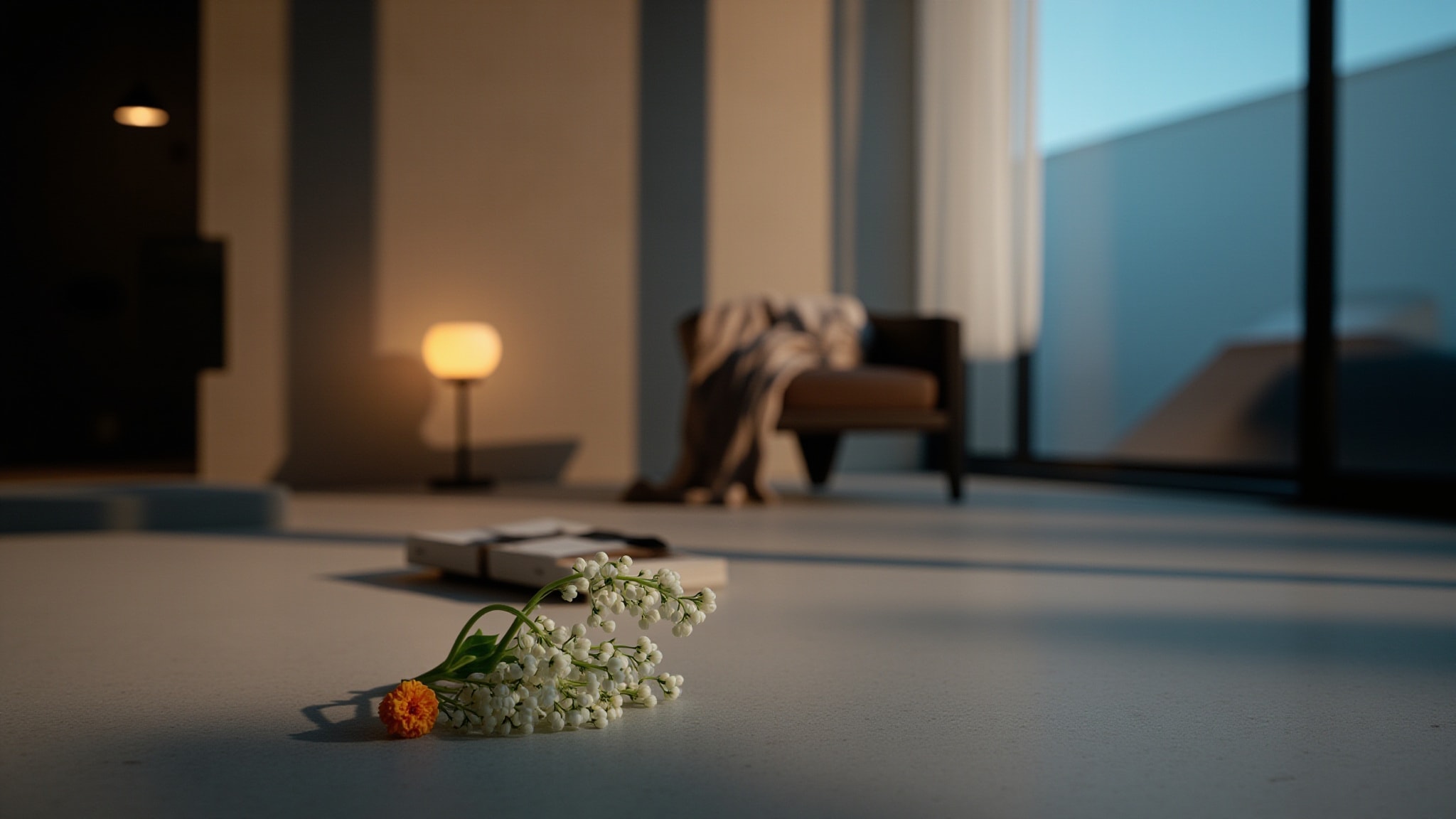
At first, Yūgen appears almost weightless. The opening is slender and lucid, with a cool flicker of green and a pale lift that recalls air moving across skin. It feels intimate rather than sporty, more like a fleeting impression than a bold announcement. As the scent develops, a floral center becomes clearer. This phase feels less like a bouquet than a change in temperature: creamy, clean, and slightly animalic, with a quiet sweetness hovering nearby. The floral impression doesn't erase the earlier brightness, but it gives it depth and a more tactile presence. Then the composition lowers its voice. A warm trail clings rather than shouts, bringing a soft, woody impression that settles into the skin. The drydown can feel like well-worn cashmere carrying the memory of sunlight.
Cultural impact
Yūgen's appeal is less about being noticed at once than rewarding the person wearing it, or sitting beside them, with the time needed to notice the details. Its name evokes mysterious depth, giving the fragrance a sense that cannot be contained in a single impression. The composition is especially effective because it doesn't depend on explicit cultural motifs to create that feeling. Instead, restraint, negative space, and gradual revelation are carried through the way its materials meet: freshness and warmth shadowing one another, floral impressions settling into a more tactile finish.
The House
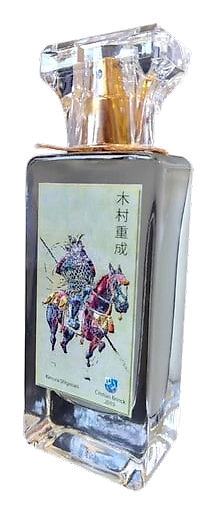
Cristian BrinckCristian Brinck is a Chilean fragrance house founded in 2018 by designer Cristian Brinck. The label emerged from a desire to create expressive, handmade perfumes shaped by narrative and inspiration rather than a conventional seasonal catalogue. Its fragrance library includes Time Hunter, introduced in 2020, and character pieces such as Pablo’s Pipe, Yūgen 幽玄, Gaman 我慢, Vincent’s Irises, and Kimura Shigenari 木村重成. The names point to a broader creative mood, combining historical figures, cultural references, objects, and Japanese terms into an eclectic collection. Cristian Brinck presents scent as an intimate art form, inviting wearers to explore fragrances as personal stories and imaginative experiences.
The Creator
Céline Guivarc'hGuivarc'h favors a structural approach that starts with a clear anchor—often a single natural extract such as Bulgarian rose or Haitian vetiver. She builds layers by pairing that anchor with complementary synthetics that amplify rather than mask.