
The Story
Why it exists.
The beginning
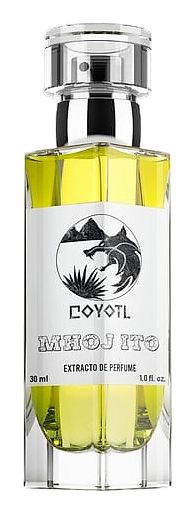
Mhojito takes its name from the mojito, the classic Cuban cocktail of mint, lime, sugar, and white rum. Here, Coyotl reinterprets that familiar formula through a Mexican lens, where bright citrus and cool mint interplay with tropical coconut to create something that feels both recognizable and distinctly fresh. The cocktail inspiration is clear in the name, but the execution speaks to a different place entirely, grounding the familiar drink note in unexpected territory.
What makes the composition work is the restraint. A mojito-inspired fragrance risks smelling like a mojito candle, all mint, all the time, with no depth. Instead, the mint and citrus open bright and effervescent, then hand off to yuzu and white tea, which cool the trajectory. Coconut doesn't arrive until the drydown, where it adds warmth that keeps the whole thing from reading as a palate cleanser. It's a drink fragrance that smells like perfume, which is harder than it sounds.
The evolution
The first minutes hit sharp and green, lemon zest, mint, and an unexpected warmth. There's sugar in the top notes, but it's the mint that leads, that cool bite that makes the mouth water. Within an hour, yuzu and white tea arrive. The citrus softens. The mint doesn't disappear, it recedes to something cooler, less immediate. Coconut begins to rise from the base, warm and quiet. By the drydown, vetiver and woody notes ground everything, but the mint is still there, softened, woven into the skin rather than shouting from the top. The fragrance moves through its phases with a natural ease, each layer arriving as the previous one settles into the background.
Cultural impact
Mhojito landed in 2024 as part of Coyotl's catalog, where each release carries a name that signals its Mexican heritage before the bottle is even opened. Coyotl draws from Mesoamerican mythology and Mexican daily life, creating fragrances that feel rooted in a different tradition than typical European perfumery. Mhojito joins a lineup that includes mythological names like Tlaloc and everyday references like Horchata and Champurrado. The fragrance sits comfortably alongside other beverage-inspired niche releases but carries the particular warmth and approachability that comes from its Mexican framing.