The Story
Why it exists.
The beginning
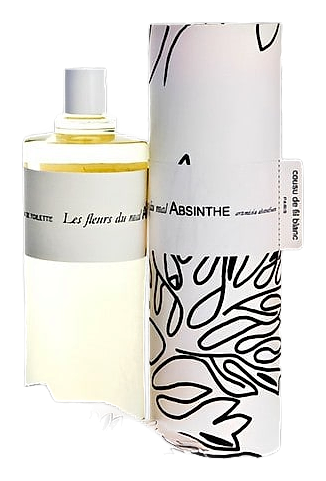
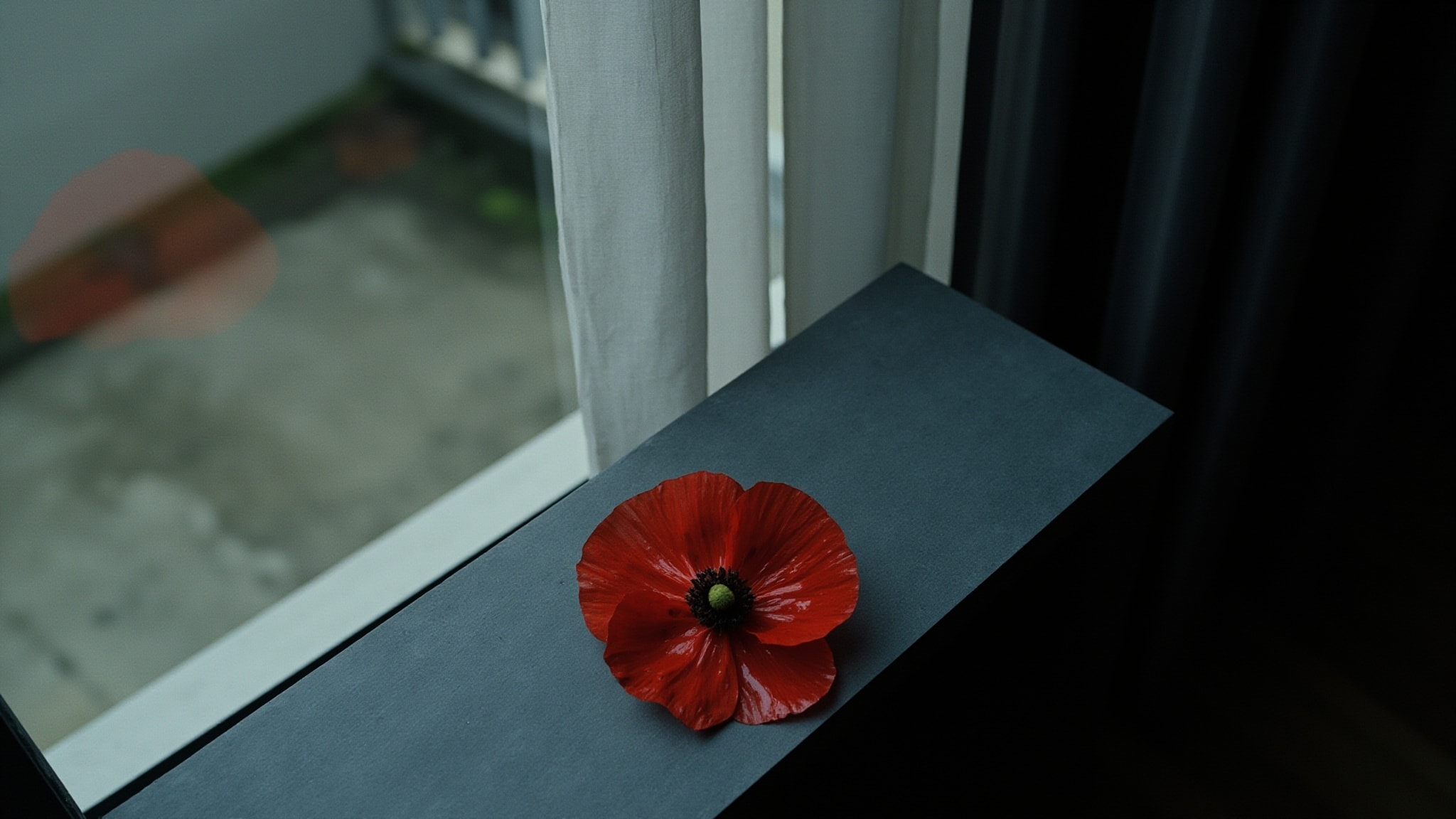
Les Fleurs du Mal Pavot arrived in 2011 as part of Cousu de Fil Blanc's inaugural trio. The collection turned to three botanicals with reputations for trouble, and Pavot took the poppy as its singular point of reference. Rather than treating the flower as a decorative floral idea, the composition builds around the quiet powderiness and earthier side associated with poppy, then sets that character against iris, water notes, oakmoss, and musk. The result is chypre floral by structure, but less ornate than the label suggests. There is a cool, damp quality to it, like a garden after rain, with powder, moss, and a trace of sweetness moving underneath.
The unusual part is the tension between materials that seem unrelated. Iris brings a cool, powdered texture. Aquatic notes suggest moving water and open air. Red poppy adds a soft floral sweetness, while oakmoss introduces an earthy, green-brown depth. Musk then smooths the edges into skin. The combination is especially convincing because it doesn't rely on a loud floral bouquet. Each note has a distinct job, and together they create the impression of clean skin, wet soil, and a stem of poppies carried indoors.
The evolution
The opening begins with a cool, transparent impression, with water notes and iris giving the scent a damp, polished surface. Red poppy soon becomes clearer, lending a gentle sweetness without turning overtly fruity or powdery in a synthetic way. As the composition settles, oakmoss changes the temperature of the floral notes. Earth enters through moss, turning the airy beginning into something mineral and close to the ground. Musk softens that darker edge, keeping the scent smooth against skin. In the drydown, the red poppy can recede while iris, moss, and musk remain, producing a powdery floral trail with an earthy shadow. The final impression is less like a bouquet than a trace of powder caught in damp garden soil.
Cultural impact
Pavot belongs to Cousu de Fil Blanc's most distinctive cultural idea: using plants with difficult reputations as the organizing force of a fragrance. Within that context, it suits wearers who prefer craftsmanship and restraint over loud branding, treating the poppy not as an ornamental blossom but as a material with weight, history, and an edge that resists easy description. The fragrance opens with a softened floral character, warm and slightly narcotic in impression, before moving toward drier, more mineral and herbaceous notes as it develops on skin.