The Story
Why it exists.
The beginning
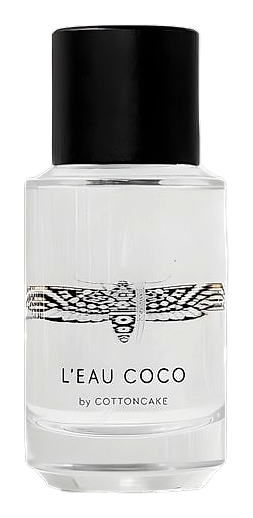
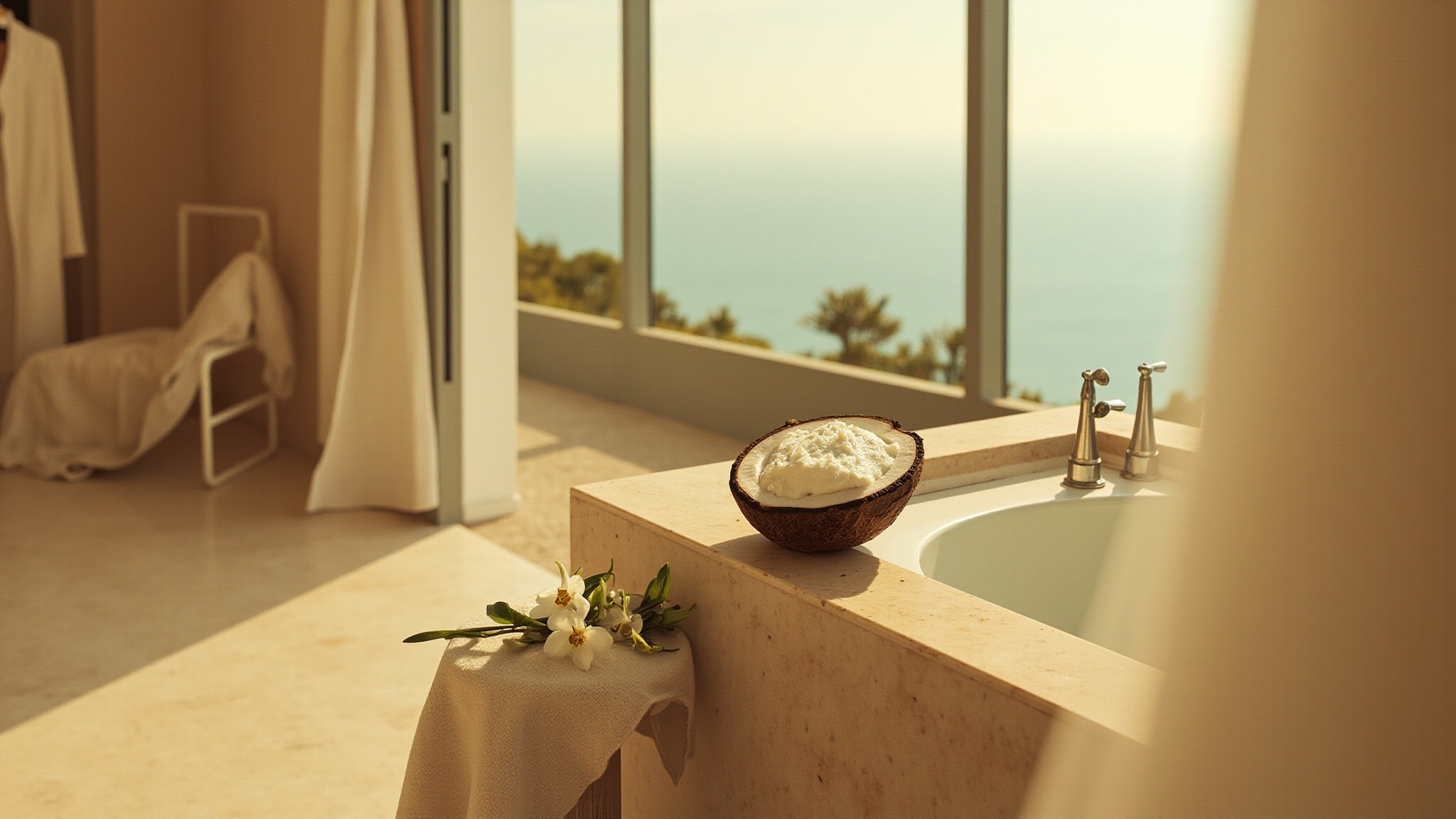
Tanja Deurloo built L'Eau Coco around a single, specific craving: the memory of a tropical island, distilled into something wearable. The brief was coconut in its most honest form, not coconut water in a cocktail, not piña colada sweetness, but the cream clinging to your lips after you've cracked open a fresh one on a beach with no plans. Palm leaf opens the composition as a nod to the canopy overhead, jasmine drifts in like the air near a garden, and the whole thing settles into coconut and cream that feels less like perfume and more like a feeling you already know you miss.
The orchid heart is the quiet choice here. Not the loudest note in the pyramid, but it does the work of bridging two worlds: the green, slightly mineral opening and the edible, lactonic base. Orchid has a waxy, faintly animal quality that stops the coconut from sliding into dessert territory. It keeps the fragrance feeling like skin that has been in the sun, not skin that has been in a bakery. Whipped cream in the base reinforces the creaminess without adding sugar overload, this is coconut ice cream, not coconut rum.
The evolution
The opening hits bright and green. Palm leaf and jasmine arrive together, the jasmine adding warmth while the palm leaf keeps things sharp for the first twenty minutes or so. Then the coconut steps in. Not as a wave, more like a slow arrival, settling over everything like a second skin. The orchid emerges around the thirty-minute mark, adding a quiet waxy depth that gives the composition somewhere to live. By the second hour, coconut cream deepens as whipped cream's sugary warmth takes over. The jasmine and orchid linger in the background, but now they're wrapped in something warmer, like skin that's been in the sun all day, then cooled by ocean air. This is the payoff. On clothes, it stays even longer, sometimes into the next morning.
Cultural impact
L'Eau Coco carved out space in the indie fragrance landscape as a counterpoint to the citruses and aquatics that dominate warm-weather perfumery. Where most accessible tropical fragrances lean on coconut water or fruity accords, this one goes for coconut cream, a richer, more textured interpretation of the same craving. It occupies a particular niche: tropical enough to feel like escape, but composed enough to wear in spaces where full commitment to the beach aesthetic would be out of place. For a certain kind of fragrance wearer, the one who finds joy in specificity, this is the one that got away from the hotel gift shop and into a proper bottle.