The Story
Why it exists.
The beginning
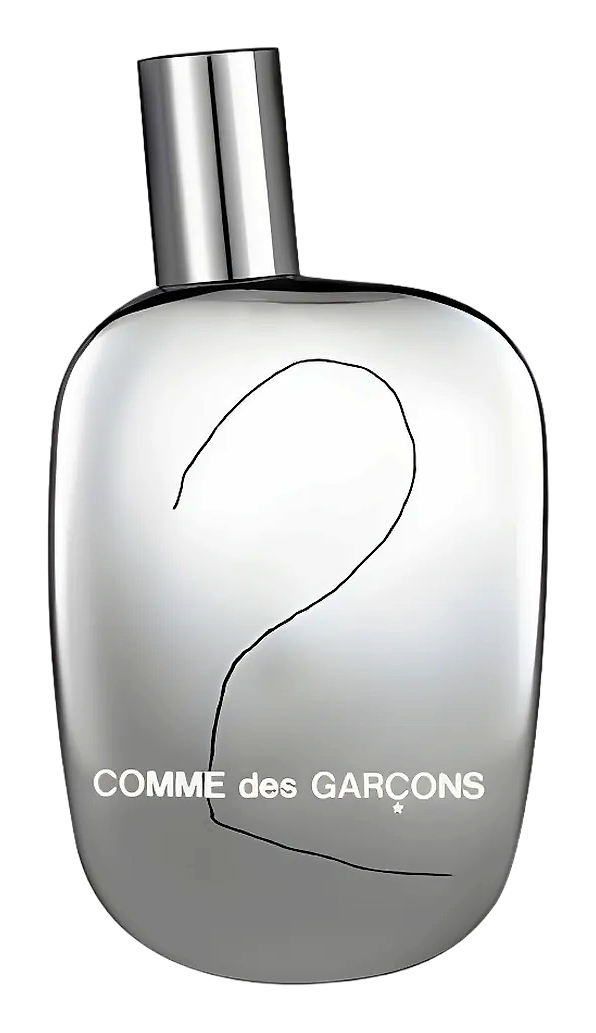
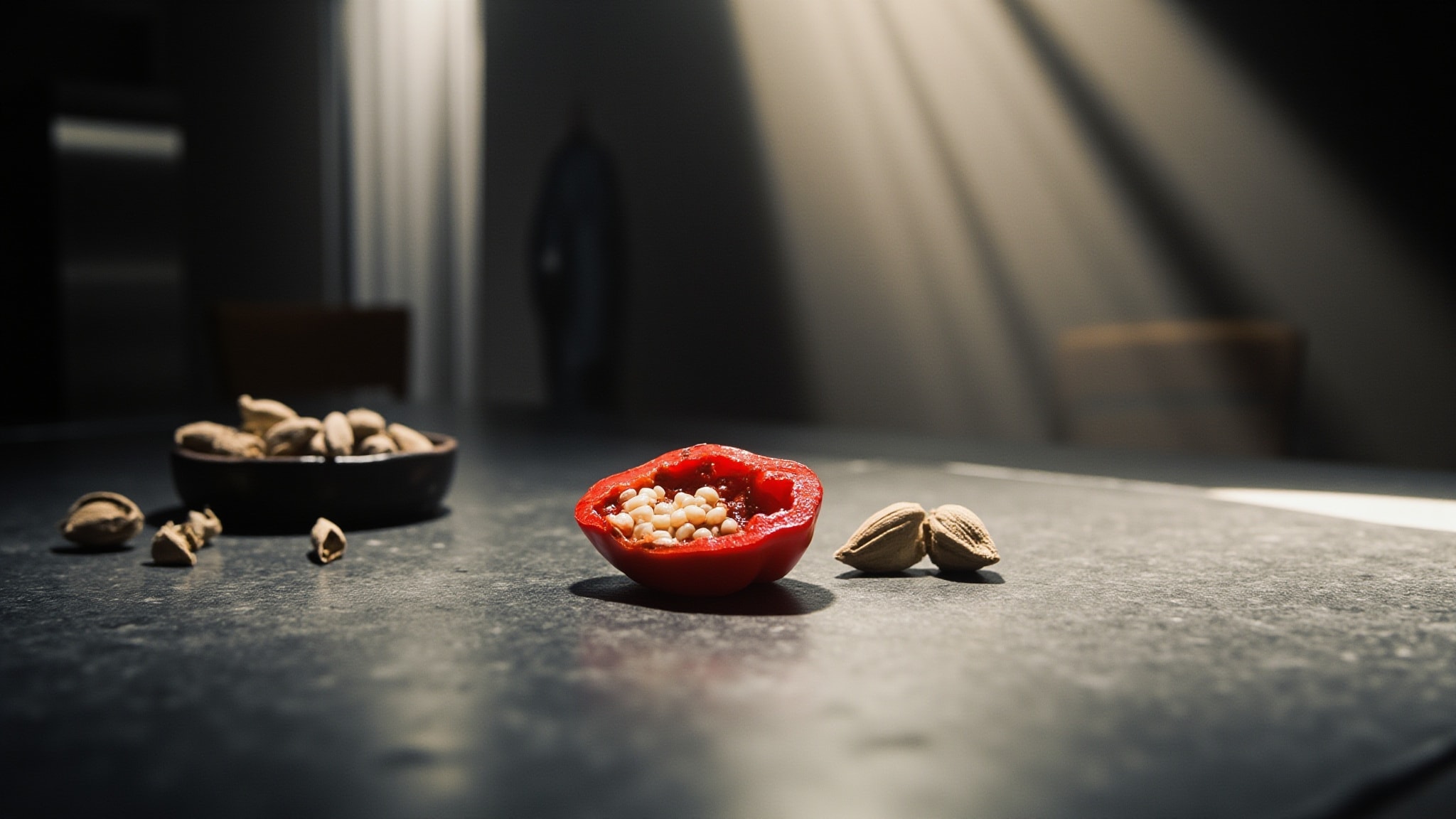
Comme des Garçons Series 2: Red launched in 2001 as a conceptual exercise: seven perfumers, one color, no rules. The brief was deceptively simple, translate red into scent. For Harissa, that meant North African spice racks and the vivid crimson of the paste that shares its name. Bertrand Duchaufour was handed a color and told to make it smell like something. The choice of harissa as the north star was audacious. Harissa isn't a delicate flavor. It's concentrated heat, built on dried red chilies, garlic, olive oil, and cumin, sometimes brightened with citrus. The CdG brief asked Duchaufour to do something almost impossible: make that intensity wearable without making it aggressive. The answer was to lead with freshness, blood orange, cardamom, and a cool herbaceousness that reframes the heat as something Mediterranean rather than overwhelming.
What makes Harissa unusual in the CdG catalog, and in perfumery generally, is the tomato leaf. It's listed as Tomato Leaf in the top notes, and it does real work here: a green, slightly astringent quality that stops the citrus-spice from becoming a simple hot toddy. Angelica adds its own aromatic, almost woody-green character. Together, these two notes push Harissa away from pure spice and into savory territory. It smells like something being cooked, not something finished. That's the difference between a fragrance that references a cuisine and one that inhabits it.
The evolution
The opening hits bright: cardamom's warmth against blood orange's sharp citrus, red chili arriving immediately but not yet taking over. For the first twenty minutes, there's a coolness to it, a green, slightly medicinal quality from the tomato leaf and angelica that makes the citrus feel almost savory. Then the hand-off begins. The heart is where the harissa concept comes fully alive. Chili Pepper, tomato, saffron, the warmth builds and the citrus peels back. The herbal notes don't disappear; they recede, becoming a base layer that keeps the spices from feeling purely hot. On some skin, the chili stays prominent. On others, it fades into a warm, dusty spice that lingers quietly. The drydown is long, most wearers report 6-8 hours of presence, though the projection moderates after the first two hours. What's left at the end isn't the chili heat but a warm, faintly animalic residue, close to the skin, intimate by design.
Cultural impact
Harissa occupies an unusual position in the CdG fragrance catalog: one of the more accessible entries in Series 2: Red, but still eccentric enough to polarize. The combination of blood orange with a medicinal-green heart, the angelica and tomato leaf, produces a scent that's brighter and stranger than it has any right to be. Wearers tend to either love the cool, herbal opening that offsets the spice or find it too green, too unexpected. The 2001 launch date places it squarely in the era when niche perfumery was still figuring out its identity, and Harissa shows the confidence of a brief that said yes to contradiction.