
The Story
Why it exists.
The beginning
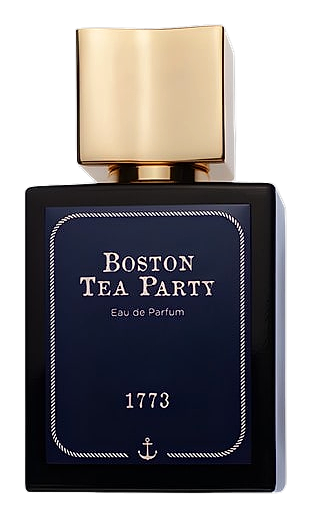
1773. Boston Harbor at night, the salt air cutting through darkness, crates stacked tight, the tension of people who knew something had to give. Boston Tea Party, 1773 is the scent of that waiting, that stillness before everything changes.
The marine-leathery structure is deliberate. Sea water and bergamot open clean and sharp, like cold air over open water. Black tea carries the heart, not green tea, not Earl Grey, but a dark, assertive brew. Leather and castoreum deepen the middle into something animal and honest. The castoreum is the tell. It gives the fragrance its tension, its stubbornness. Oak wood and cedar arrive in the base, grounding everything in something that lasts.
The evolution
The opening hits bright and aquatic, sea salt and bergamot cutting through like cold harbor air. The bergamot softens as the black tea asserts itself, and this is where the fragrance changes. The tea does not float above the composition, it anchors it, present through the heart of the wear. Leather rises with it, warm and textured, and the castoreum adds an animalic edge that some will find confrontational and others will find magnetic. By the drydown, the oak and cedar have settled into something smoky and woody, with ambergris lending a mineral saltiness that keeps the whole thing honest.
Cultural impact
Boston Tea Party, 1773 stands apart in the niche fragrance landscape. Chronicles structures its collection around historical chronology, releasing fragrances that exist as documented moments in time. The marine-leathery structure, anchored by a bold black tea accord, has earned consistent praise for its distinctive character, a solid choice for anyone who wants a scent with real presence and history baked in.