
The Story
Why it exists.
The beginning
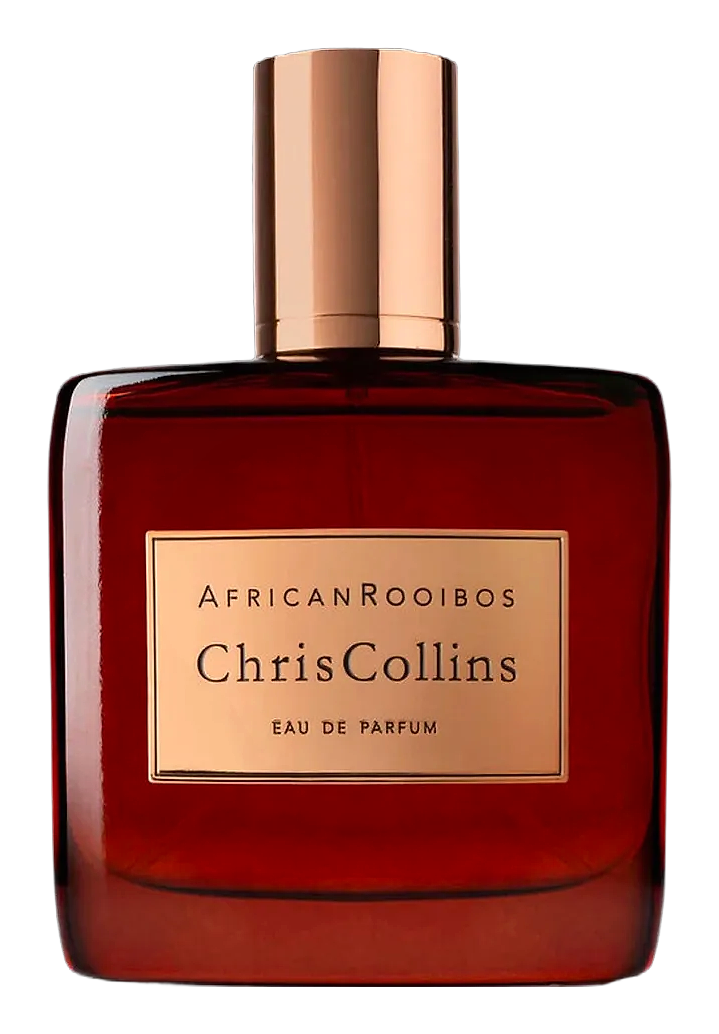
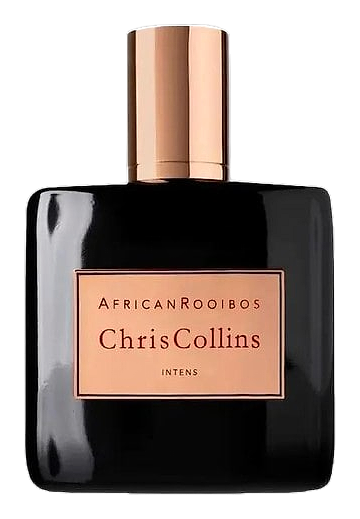
Chris Collins revisited rooibos for this intensifying take. The original African Rooibos arrived in 2021 to modest attention, a quiet, earthy tea scent that appealed to a specific crowd but lacked the depth some craved. Rather than abandon the concept, Collins turned up the volume on the parts that worked: the dry herbal base, the warm amber backbone, the cedar that grounds it all. The result is a fragrance that keeps everything that made the original distinctive while giving it more room to breathe, and linger.
The rooibos tea accord is genuinely uncommon in Western perfumery. Most tea scents lean on green tea or jasmine, ingredients with established vocabulary and easy recognition. Rooibos offers something different: an earthy, slightly smoky quality that reads almost as a dry woody note at times, with a faint honeyed warmth underneath. In this composition, the tea isn't softened into irrelevance. It's held at center stage by orris and vanilla, which add cream without becoming the dominant force. The black pepper and cardamom in the top ensure the opening has bite, this isn't a delicate morning fragrance. It's tea for someone who wants the leaf's personality, not just its name.
The evolution
The opening is quick and bright: bergamot cuts through, cardamom follows with a warm spice that prickles slightly, black pepper adds a dry heat that keeps everything grounded. Within twenty minutes, the rooibos asserts itself, earthy, dry, with an herbal quality that feels closer to dried leaves than brewed tea. The vanilla and orris arrive to soften it, creating a honeyed warmth that creeps in slowly. The drydown is where this fragrance earns its name. Cedarwood anchors everything, and the Ambroxan lends a clean amber quality that stays close to the skin for hours. By the end, it's intimate, smoky, and warm, the kind of wear that someone nearby might notice only when they lean in.
Cultural impact
The rise of rooibos as a perfumery ingredient reflects a broader interest in ingredients with specific geographic and cultural origins, terroir in fragrance, essentially. African Rooibos Intens sits within a niche trend toward non-Western tea notes: where earlier generations favored green tea or jasmine, a new wave is exploring rooibos, mate, and other herbal infusions. Collins's approach keeps the ingredient recognizable rather than abstract, you smell the rooibos, not a generalized herbalism.