
The Story
Why it exists.
The beginning
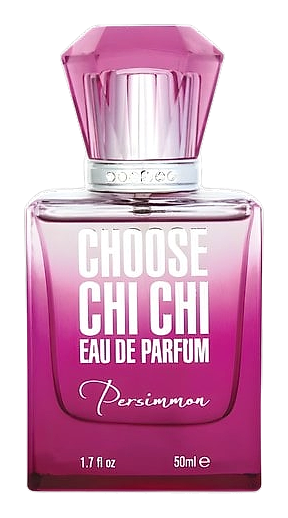
Persimmon arrived in 2014 as a tropical composition that didn't hedge. The brief was simple and direct: fruit, sugar, and enough warmth to make the tropical accord feel grounded. No florals muscling the composition toward something more conventional. Just the fruit, handled with the kind of confidence that comes from not caring whether you find it too sweet. The opening carries a fizzy lift, like biting into something cold and ripe at the height of summer, the citrus slicing through the sugar with sharp, uncomplicated edges. It's bright without being brittle, sweet without leaning on anything to soften it. The warmth underneath keeps the whole thing from reading as a top-note trick, giving the fruit somewhere to settle rather than just sparkling and disappearing.
The interesting move here is the refusal to round things out. Instead of leaning on florals or coconut to anchor the sweetness, Persimmon lets tropical fruits form the entire heart, with papaya and mango giving the composition its body. Persimmon itself and guava anchor the base, giving the fragrance a fleshy, almost sun-warmed weight that keeps the sugar from floating off. The result is a composition that reads almost like a fruit salad that found its confidence, each note recognizable and contributing without any single one dominating the conversation.
The evolution
The opening hits like biting into something cold and ripe. There's a fizz of tropical fruit that reads almost effervescent on skin, citrus and sugar doing the work upfront, bright and uncomplicated. The sweetness carries a candied edge at first, the kind of immediate, unfiltered sugar that announces itself before the fruit has a chance to settle. As the composition warms against the skin, the mango and papaya begin to emerge, rounding the sweetness without dimming it. The fruit becomes less abstract and more specific, the mango lending a golden, almost honeyed depth while the papaya brings a softer, creamier texture beneath. The sugar shifts from sharp to mellow, losing its candy-like intensity and gaining something more natural, more like the taste of ripe fruit at room temperature than anything processed.
Cultural impact
Persimmon sits in a specific corner of the fragrance world, the unapologetically sweet, fruit-forward space that became its own category in the mid-2010s. It doesn't compete with the niche houses or the French legacy labels. It occupies its own lane entirely, one built on the idea that a fragrance can be sweet, fruity, and direct without needing to justify itself through complexity or sophistication. The composition reads as a deliberate commitment to a single idea, executed with enough confidence that the sweetness never feels like a compromise.