The Story
Why it exists.
The beginning
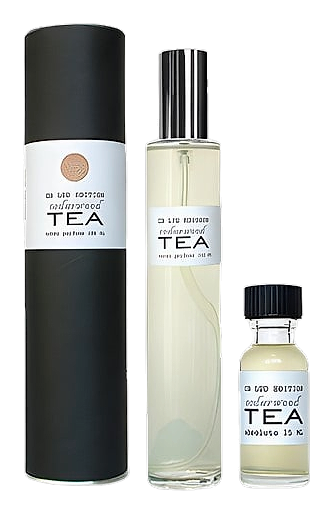
Cedarwood Tea arrived in 2006 as part of what Christopher Brosius has described as a larger investigation into tea as an olfactory material, a substance he finds both meditative and undervalued in perfumery. The official description calls it 'a marvelous warm blend of Himalayan & Moroccan cedars, Black Indian Tea and a touch of incense.' Brosius has noted this one is personal: one of his own favorites from the catalogue, chosen not for commercial appeal but for something harder to quantify, the specific warmth of the pairing, the way the tea keeps the cedar from becoming sharp or medicinal. It was released alongside Cradle of Light that same year, suggesting Brosius was building a particular emotional vocabulary at this point in his work, scents that asked for a quieter kind of attention rather than demanding it.
What's unusual here is that Brosius uses real tea absolute, not the synthetic recreation that dominates most tea fragrances. The black Indian tea carries an astringency that most materials can't fake: the slight bitterness, the tannic dryness that opens sharp and recedes completely within the hour. The Himalayan and Moroccan cedars are selected to complement rather than compete, the cedar never becomes a pencil-shaving cliché. Frankincense appears at the base rather than the heart, lending a quiet resinous depth that most wearers don't consciously identify but would notice if removed.
The evolution
The opening announces itself quickly: cold black tea, slightly bitter, the kind you'd get from brewing a pot that's been sitting. Cedar arrives within minutes, not sharp, but dry and present. The smoke from the incense is felt rather than announced, threading underneath the top notes like a background conversation. Ten to twenty minutes in, the composition settles into its middle register. The tea recedes; the incense comes forward. This is where some wearers fall in love and others lose interest, the incense-tea duet becomes something slightly different from what the name promises, warmer and more resinous. By the second hour, the drydown is cedarwood. Pure cedarwood. The tea has left the building. What remains is dry, clean, faintly powdery against the skin. Some find this satisfying. Others wish the tea had stayed. On fabric, the cedar persists for days, detectable in the collar of a jacket washed twice.
Cultural impact
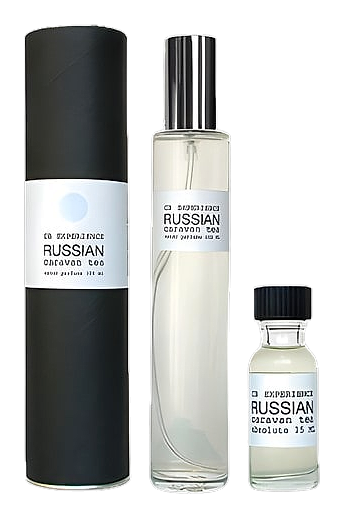
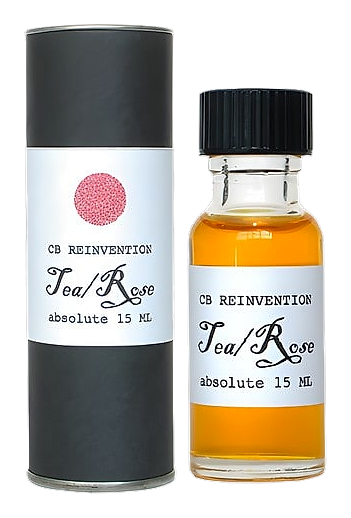
Cedarwood Tea occupies a particular niche within the niche world: the tea-absolute fragrance, made by a perfumer who considers it one of his own favorites. Brosius has been building a tea-related vocabulary for years, the catalogue includes Russian Caravan Tea and Tea/Rose, treating the material as an emotional rather than culinary reference. The fragrance doesn't shout or project aggressively; its appeal lies in restraint, in the kind of scent that rewards someone paying attention rather than someone filling a room. This quietness has kept it relevant for nearly two decades.