
The Story
Why it exists.
The beginning
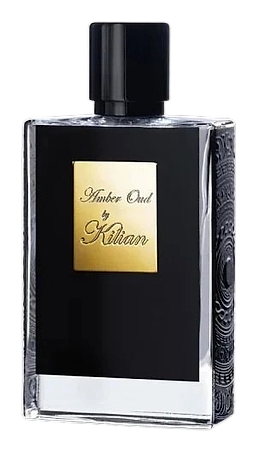
In 2011, By Kilian launched Amber Oud as part of the Arabian Nights collection, composed by Calice Becker. The brand, founded in Paris by Kilian Hennessy heir to a cognac dynasty, has always treated fragrance as wearable art, packaging that locks with a key and bottles designed to be kept. The collection draws inspiration from Middle Eastern perfumery traditions, where amber and oud form the backbone of countless cultural fragrances. Becker approached this brief by replacing the expected oud with a thoughtful combination of materials that capture warmth and depth through amber, benzoin, and vanilla.
The note selection reflects a philosophy of accessible warmth. Where oud can be polarizing, amber and benzoin offer honeyed comfort that appeals broadly. Vanilla extends this warmth while West Indian Bay adds a spicy dimension that speaks to the fragrance's Arabian Nights context. Cedarwood grounds these sweet and aromatic elements, ensuring the composition maintains masculinity despite its warmth. Together these materials create a bridge between Middle Eastern perfumery traditions and Western sensibilities.
The evolution
Amber Oud begins immediately in its heart phase, amber and benzoin opening in perfect synchrony to establish a warm resinous atmosphere. The vanilla note follows quickly, its sweet vanillic character softening the balsamic edges of the benzoin. West Indian Bay emerges as a distinctive element, its spicy aromatic quality adding complexity that prevents the composition from becoming overly sweet. Cedarwood provides the structural element throughout, becoming increasingly apparent as the sweeter notes begin to settle. The trajectory moves from rich warmth to quiet woody comfort, the amber and benzoin fading slowly while cedarwood persists on the skin.
Cultural impact
The Fragrance Foundation awarded Amber Oud Indie Fragrance of the Year in 2013, a signal that the niche market had found its sweet spot between luxury and restraint. It arrived in the wave of amber-oud popularity but distinguished itself by refusing to be heavy. Where others competed on intensity, Amber Oud competed on balance. That distinction earned it a following among people who had tried too many ouds and wanted one that worked with them instead of over them.