
The Story
Why it exists.
The beginning
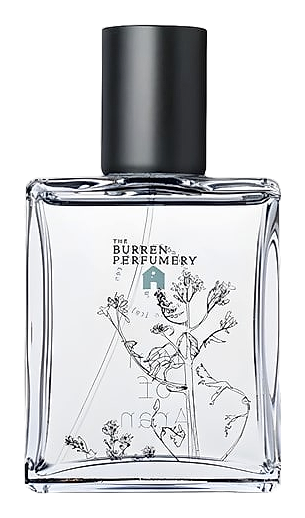
Aran arrived in 1990, originally named Man of Aran, a sea cologne built for the west coast of Ireland. The brief was simple and strange: translate the actual smell of the Burren, not the idea of it. Mosses, lichens, bark. The real landscape. The formula hasn't changed since launch, which is rare. Most fragrances get reformulated into something safer. Aran didn't.
The interesting thing about Aran's structure is that it doesn't use the standard aquatic playbook. No calone, no synthetic sea breeze. Instead, it reaches for seaweed as the maritime element, kelp, specifically, which brings a green, slightly iodine edge rather than a clean hotel-pool interpretation. The vetiver does double duty: aromatic freshness in the heart, earthiness anchoring the drydown. It's this grounding in vetiver and oakmoss that stops the citrus from becoming throwaway. The fragrance earns its mossy classification instead of borrowing it.
The evolution
The citrus opens sharp, bergamot and grapefruit collide, lemon sharpens the edges. It's a bright start, unmistakably fresh. Then the marine element arrives, but not as a wave. As a tide. Seaweed creeps in alongside the citrus, damp and green and slightly briny. Vetiver follows, bringing its characteristic earthy-smoky quality, not sweet, not soft. By the mid-point, cedarwood and cypress assert themselves, and the oakmoss becomes impossible to ignore. That's the real signature. The drydown settles into a woody-mossy trail that persists for hours. Close to the skin, but unmistakable to anyone leaning in.
Cultural impact
Aran occupies an unusual position: a fresh fragrance that refuses to smell like everyone else's fresh fragrance. The seaweed-vetiver pairing gives it an earthy-marine quality that stands apart from both mainstream aquatics and typical niche freshies. The fragrance rewards patience, rewarding a second skin-close inspection rather than projecting loudly across a room. It's not trying to please everyone. That's the point.