The Story
Why it exists.
The beginning
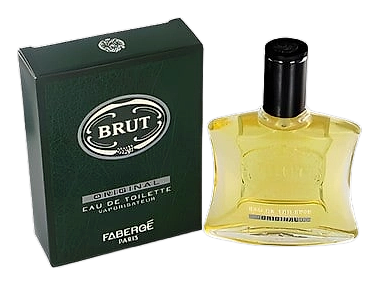
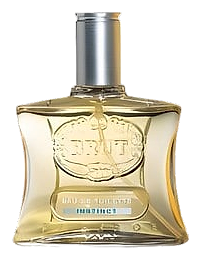
Brut Instinct arrived in 1997, continuing the Brut Parfums Prestige lineage that began with the original 1964 Brut cologne. That original established the house's identity, a recognizable masculine scent built on straightforward appeal and broad accessibility. By the late nineties, the brand had grown into multiple releases, each drawing from the same well of recognizable masculine fragrance traditions. Instinct fits squarely in that lineage: a composition that favors clarity over complexity, and a scent profile designed for straightforward, daily wear. The formula leans into what the brand already did well. Nothing here feels experimental. Nothing here feels overworked.
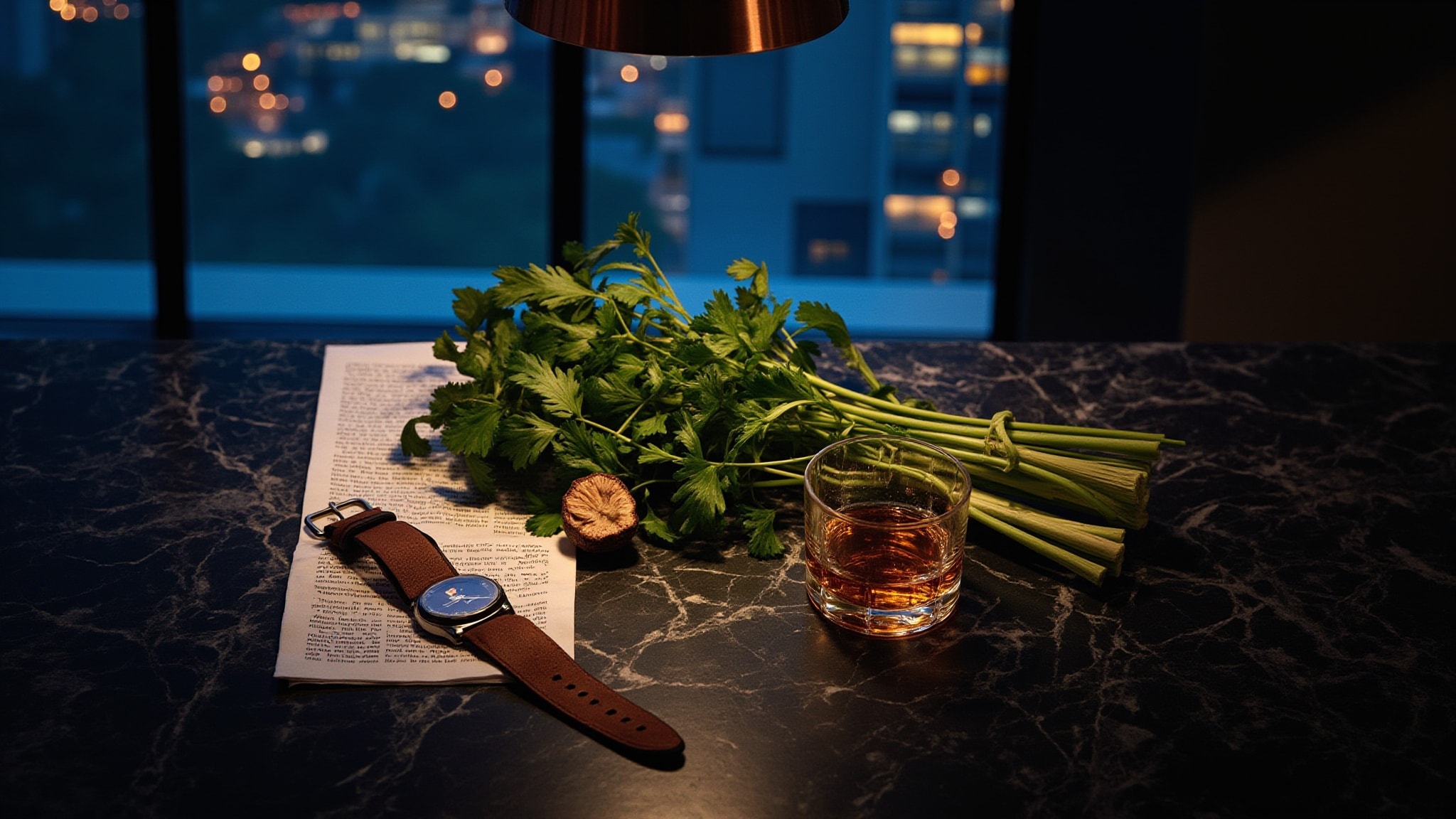
What's compelling about this composition is how compact it stays. Four notes. That's it. Sage, tarragon, nutmeg, vanilla. The restraint is unusual for a men's aromatic, and it's where the fragrance finds its personality. The herbal pair of sage and tarragon opens the scent, bringing a green, slightly cooling character that feels distinctly aromatic. Almost immediately, nutmeg begins warming underneath, introducing a soft spice that bridges the herbal top into the base.
The evolution
The opening is where tarragon earns its keep. It arrives sharp and almost cooling, like anise's quieter cousin, cut with the green dustiness of sage. Within the first ten minutes, nutmeg starts warming underneath, and the composition begins to round out. By the thirty-minute mark, the herbal top has softened considerably. Vanilla takes the wheel, and what started as an herbal-leaning aromatic now reads warmer, sweeter, almost gourmand-adjacent. The sage never fully leaves. It threads through the middle phase like a memory, keeping things from tipping too sweet. As hours pass, the vanilla deepens into something closer to spiced cream, losing any of the sharper sweetness it carried in the opening and settling into a rounder, more cushioned warmth.
Cultural impact
Brut Instinct sits at the intersection of late-nineties masculine fragrance tradition and a more accessible approach to scent. It's an aromatic composition built on a simple four-note structure, the kind of focused formula that prioritizes clarity over complexity. The fougere-adjacent architecture, built around sage and tarragon rather than the more traditional lavender-bergamot pairing, places it within a recognizable lineage of herbal masculines while setting it apart through its softer character.