The Story
Why it exists.
The beginning
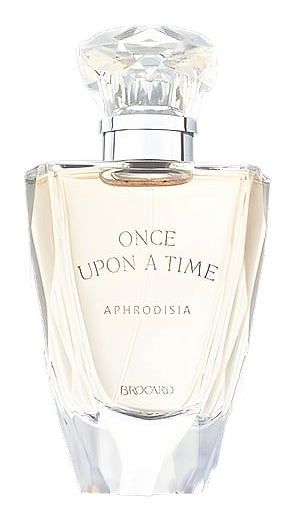
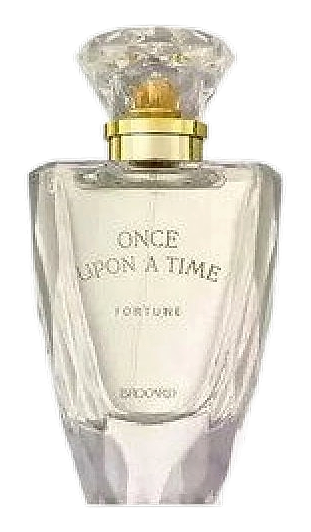
Once Upon a Time Fortune arrived in 2016, with a title that suggests narrative, a story unfolding. But what unfolds is not a fairy tale in the conventional sense. It is a story about contrast: citrus that arrives with intention, warmth that earns its place. The composition announces itself like a cold room, the drydown becomes one you don't want to leave. The name is an invitation to pay attention to what happens next.
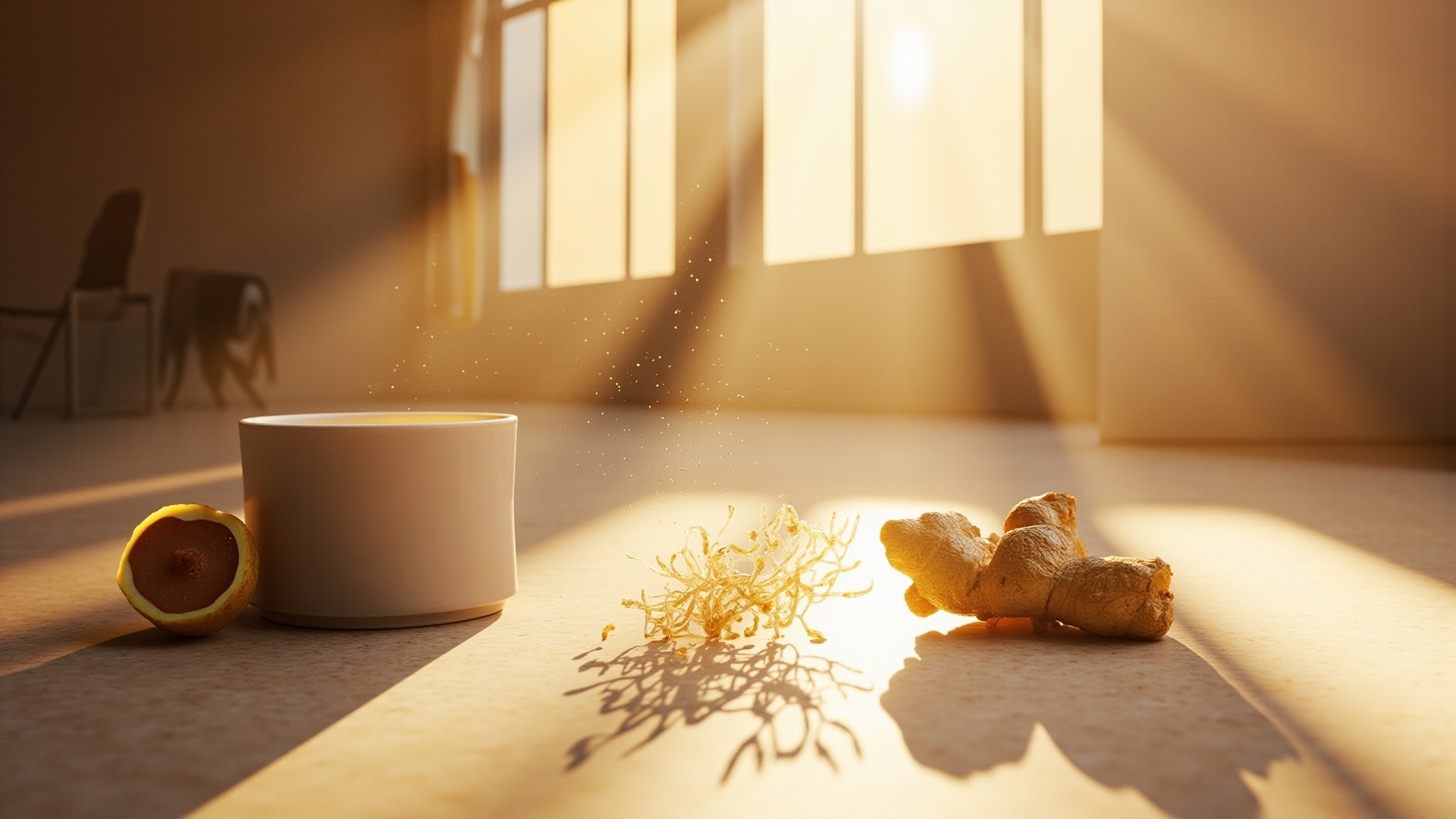
The structure is what makes this interesting. Three top notes, ginger, grapefruit, lemon, create an opening that doesn't hedge. The citrus is not decorative; it is declarative. Nutmeg in the heart adds warmth, and the base of cedar, musk, tonka bean, and vanilla ensures the drydown reads as a continuation rather than a retreat. The fragrance doesn't abandon its opening. It builds on it.
The evolution
The drydown arrives like a second chapter you didn't see coming. What opened as a cold room becomes a warm one. The vanilla and tonka bean create a quiet, sweet warmth that settles close, intimate, skin-close, the kind of scent someone notices when they're already leaning in. Cedar and musk keep it grounded. The warmth remains, a lingering ghost of vanilla and cedar that never fully disappears. The progression takes the fragrance from bright to warm, and after that, it just keeps going.
Cultural impact
Once Upon a Time Fortune occupies an interesting position in the fragrance landscape. The composition's balance of citrus and warmth gives it appeal across different preferences. It appeals to the wearer who wants something with narrative arc, who notices how a fragrance changes over hours. The community describes it as lemon cake batter, comfortable, with surprising depth. That combination, accessible yet interesting, is harder to achieve than it sounds.