The Story
Why it exists.
The beginning
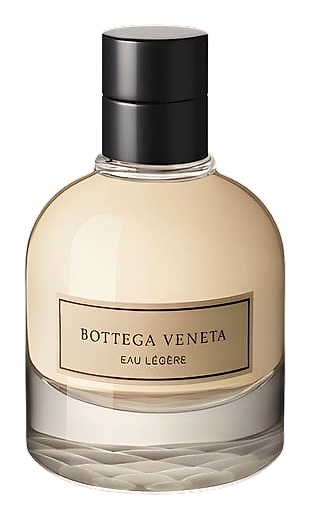
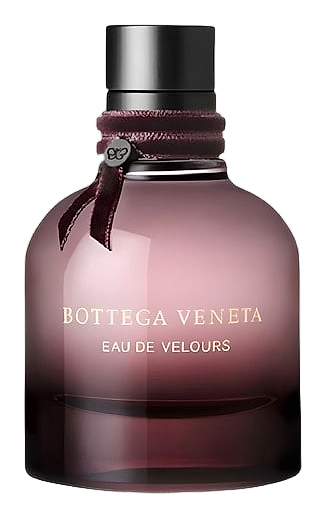
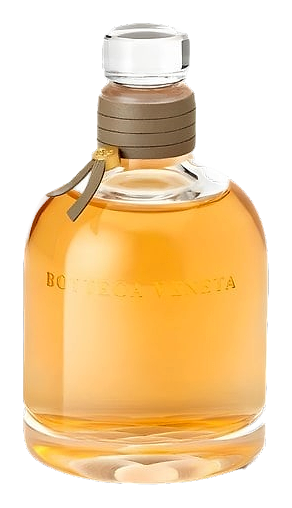
Bottega Veneta entered fragrance later than most heritage houses, releasing its first full collection in 2013. But this parfum appeared two years earlier, in 2011, as a precursor, a test of the house's olfactory language. Designed by Creative Director Tomas Maier and composed by Michel Almairac, it arrived in a Murano glass bottle that signaled exactly what kind of house this was: one that cares about the object as much as the juice. The parfum format said something too. Not an eau de parfum. Not an eau de toilette. Parfum. Concentration as statement.
The structure is unusual. A fine mesh, as Bottega Veneta described it, individual materials woven so tightly that separating them becomes impossible. Leather anchors the whole thing, but it's not the dominant opening note. Instead, it arrives mid-composition and stays. The vanilla and tonka create a sweet warmth that could read dessert-adjacent if the leather weren't there to ground it. The floral notes, vague in the pyramid but present, add a powdery softness that keeps everything from getting too heavy. What makes this work is the proportion: enough leather to give it presence, enough sweetness to give it wearability, enough restraint to give it longevity.
The evolution
The opening announces citrus and florals together, bright, clean, almost soapy. That phase lasts maybe twenty minutes. Then the sandalwood arrives, creamy and warm, smoothing everything down. The heart phase is where leather makes its entrance, but gently, not the sharp animalic of a tough leather, more the soft warmth of leather that's been handled. Vanilla holds the center throughout, a quiet sweetness that never gets loud. The drydown is leather and vanilla together, warm and close to the skin, projecting subtly rather than filling the room. On fabric, it lasts longer. On skin, expect 8-10 hours of quiet presence.
Cultural impact
This parfum predates Bottega Veneta's official fragrance line by two years, making it a precursor to the house's olfactory identity. It established the template: leather-forward, warm, restrained, intimate rather than performative. Among leather fragrances, it occupies a specific niche, not the sharp or smoky leather of many contemporaries, but a soft, warm, powdery leather that prioritizes comfort. The house's positioning of invisible luxury translates directly: this is leather for people who don't need others to notice.