The Story
Why it exists.
The beginning
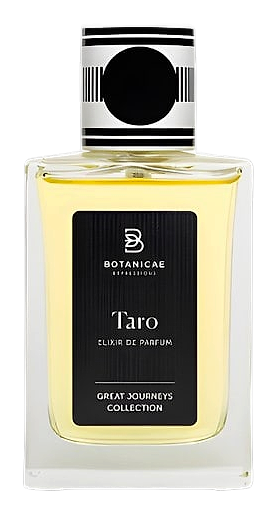
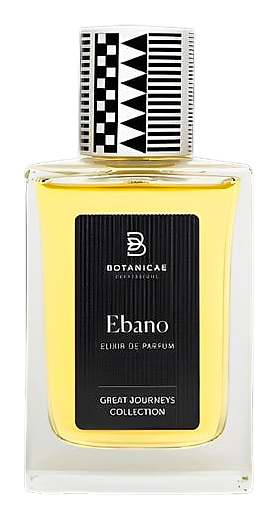
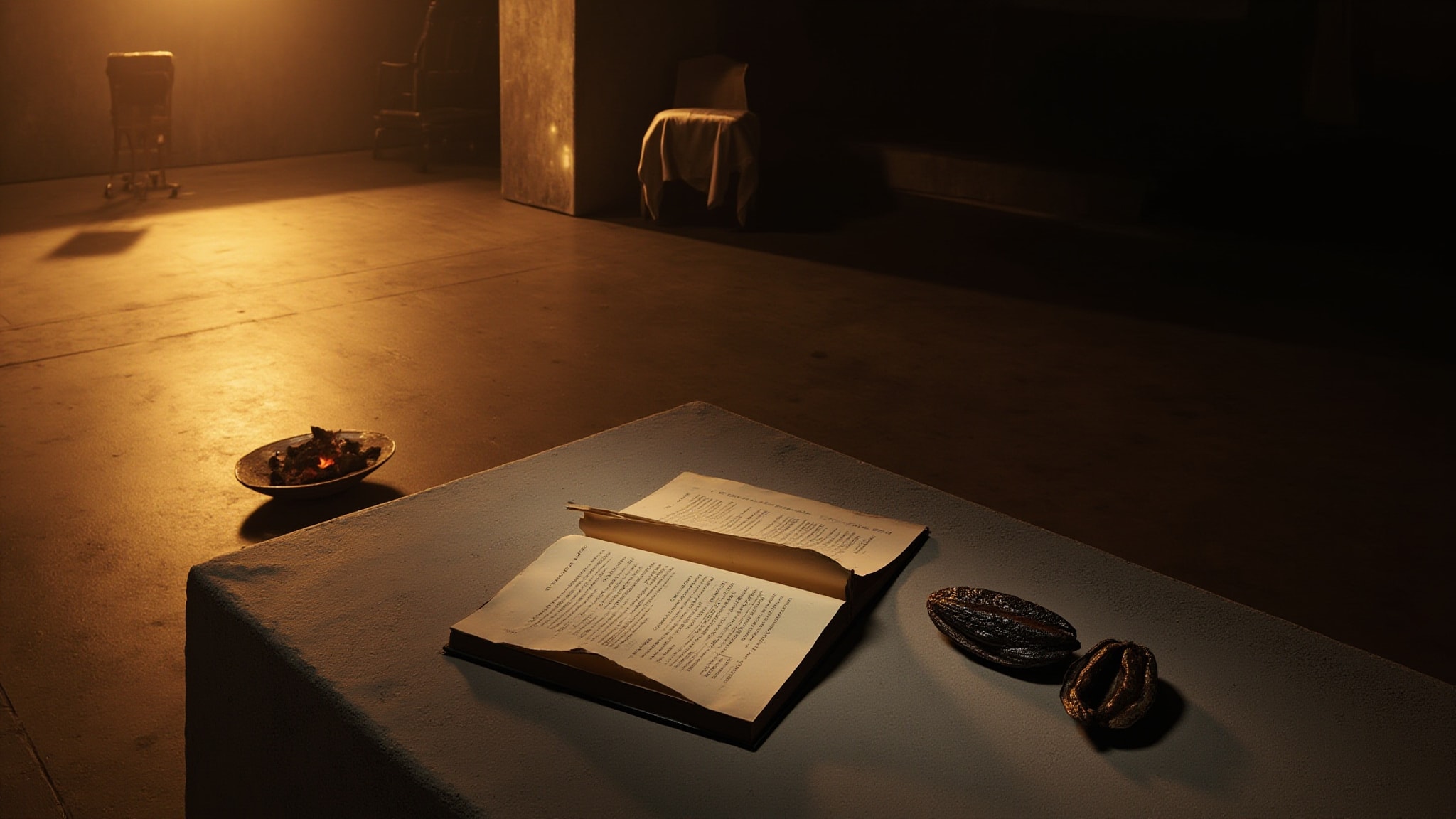
Ebano takes its name from Ryszard Kapuscinski's Ebony, his diary of thirty years reporting alone across Africa. Prison, illness, war, and still he wrote. The fragrance is that: accumulated experience, distilled into something wearable. They wanted a scent that sits with you when the room is empty and the work is not finished. The opening is intense and incisive, dark. Then it softens into something warmer, more personal, the way memory does when you stop trying to explain it.
The structure here is unusual for a fragrance at this price point. Most sweet-smoky compositions resolve quickly, smoke and vanilla, simple and done. Ebano keeps you waiting. The pink pepper and red fruits arrive first, brief and bright, before the frankincense settles in and takes ownership. Then the heart: cacao and praline in roughly equal measure, neither dominant, both necessary. The base doesn't announce itself so much as reveal itself, styrax bringing a dry, almost medicinal smoke; oak wood keeping everything grounded; vanilla offering warmth without softness. It's a composition built for people who know that the best stories don't rush.
The evolution
The opening arrives quickly, pink pepper sparking before retreating. The red fruits give it somewhere to go, a fleeting sweetness that keeps the first minutes from feeling harsh. Frankincense takes time to fully arrive. When it does, it does not explode. It settles. The heart develops slowly over the next twenty to thirty minutes. Cacao emerges first, dark and slightly bitter, nothing like the sugary cocoa of a dessert. Praline follows, adding roundness without sweetness. Myrrh shows up late and stays longest. By hour three, the drydown is unmistakable: oak and styrax in equal measure, smoke without heat, vanilla underneath that keeps the whole thing from becoming austere. Longevity is strong, lasting through the day and into the evening on most skin types, longer on clothing. The next morning, a faint trace remains.
Cultural impact
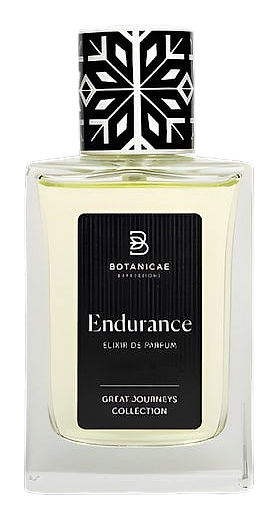
Ebano stands apart in the Great Journeys Collection by refusing the obvious. Rather than reaching for geography, it turns to a literary source: a diary of thirty years spent traveling alone, where the writer returned with nothing but words. The fragrance does not smell like a place. It smells like the impulse to go.