The Story
Why it exists.
The beginning
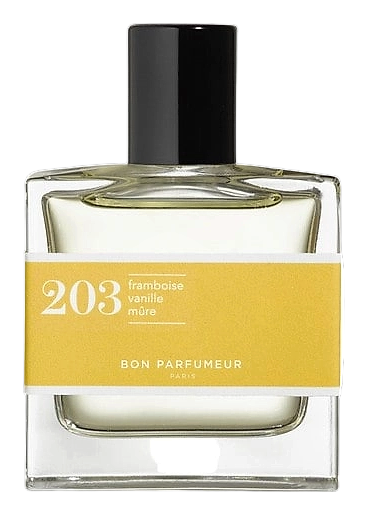
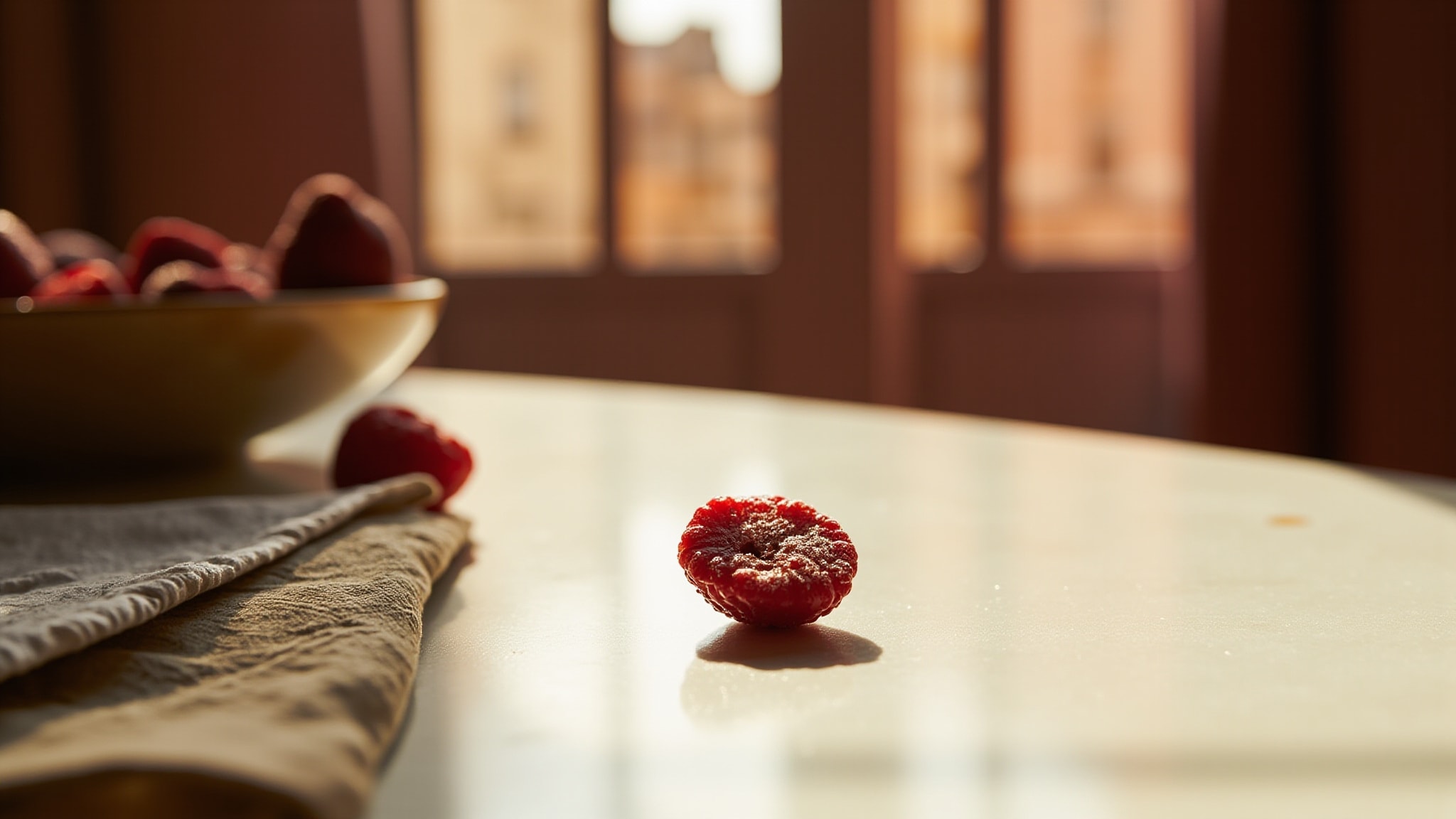
Corinne Cachen built 203 around a tension she clearly enjoys: the bright tang of raspberry against a warm vanilla backdrop. The composition delivers a fruit-forward character that leans into sweetness without restraint. The numbered system means nothing about the scent itself, but everything about the approach: each fragrance exists as pure olfactory composition, stripped of narrative ornamentation. What remains is a scent that does exactly what its label suggests, nothing more, nothing less.
The structure creates movement between distinct sensory territories. Red fruits are sharp and ephemeral. Vanilla is warm, persistent, grounded. Jasmine and rose in the heart create a textural shift, softening the tartness before transitioning to the base notes. By the time the vanilla and white woods arrive, the composition has settled into something that feels effortless rather than constructed. The ambergris provides a subtle counterpoint to the sweeter elements.
The evolution
The opening belongs to pear and neroli, a citrus-adjacent brightness that teases before the raspberry arrives. Then the red fruits announce themselves fully, with the neroli maintaining a slightly effervescent quality throughout the top phase. Jasmine and rose arrive to warm the composition, shifting the texture from sharp to more rounded. The vanilla in the base builds gradually, softening the wood and musk into a foundation that lingers close to skin. The drydown is intimate, creamier than the opening suggested, with the vanilla holding steady as the fruit notes recede.
Cultural impact
203 fits comfortably in the fruity-sweet category that characterizes many contemporary releases. The sweetness never overwhelms, and the neroli keeps it from reading as purely dessert. The Bon Parfumeur numbering system makes it easy to find again without navigating elaborate brand mythology.