
The Story
Why it exists.
The beginning
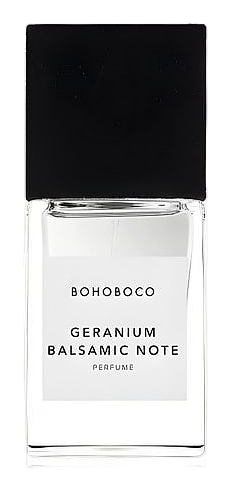
Geranium Balsamic Note arrived in 2016 as part of Michał Gilbert Lach's expanding catalog of confrontational compositions. For Lach, the geranium posed a specific challenge: this note appears everywhere, usually tamed into something pleasant and unremarkable. The brief here was different, find the roughness inside the geranium, then surround it with balsamic material that doesn't apologize for the contrast. The name says exactly what the fragrance is: an argument between two ideas of green, resolved into something worth wearing.
What makes this composition interesting is structural. Geranium sits in the heart alongside cedar and fig tree, but the top opens with bay leaf and juniper, two aromatics that push the composition toward something herbal and almost medicinal before the geranium fully arrives. The balsamic base of Egyptian balsam and resinous notes doesn't arrive to comfort. It arrives to deepen. Vetiver in the drydown keeps everything grounded in something slightly dirty, preventing the composition from becoming merely pleasant. This is geranium refusing to be domesticated.
The evolution
Juniper and bay leaf hit first, clean, sharp, almost astringent. The kind of opening that clears the air before anything else has a chance to speak. Then the geranium arrives, but it's not the geranium you expect. It's darker here, greener in a way that suggests stems and soil rather than petals and perfume. Cedar follows, pulling the composition toward something woodier and more grounded. The fig tree note is subtle, more the green shadow of the tree than the fruit itself. By the second hour, the balsamic notes arrive: warm, resinous, slightly sweet. The Egyptian balsam doesn't overpower. It lingers at the edges, adding depth without sweetness. The drydown is vetiver and cedar, clean enough to wear to a meeting, interesting enough that you'll notice it yourself six hours later.
Cultural impact
The herbal-balsamic fragrance family has deep roots in Mediterranean perfumery, where aromatic plants have been prized for centuries. Geranium, originally cultivated in North Africa and the Middle East, became a cornerstone of fine fragrance during the colonial era. The combination of geranium with coniferous notes like juniper reflects a broader Western fascination with forest scents, a response to urbanization that intensified in the late 20th century. This particular blend appeals to those seeking gender-neutral scents that balance crisp greenery with warm resinous depth.