Egyptian Balsam
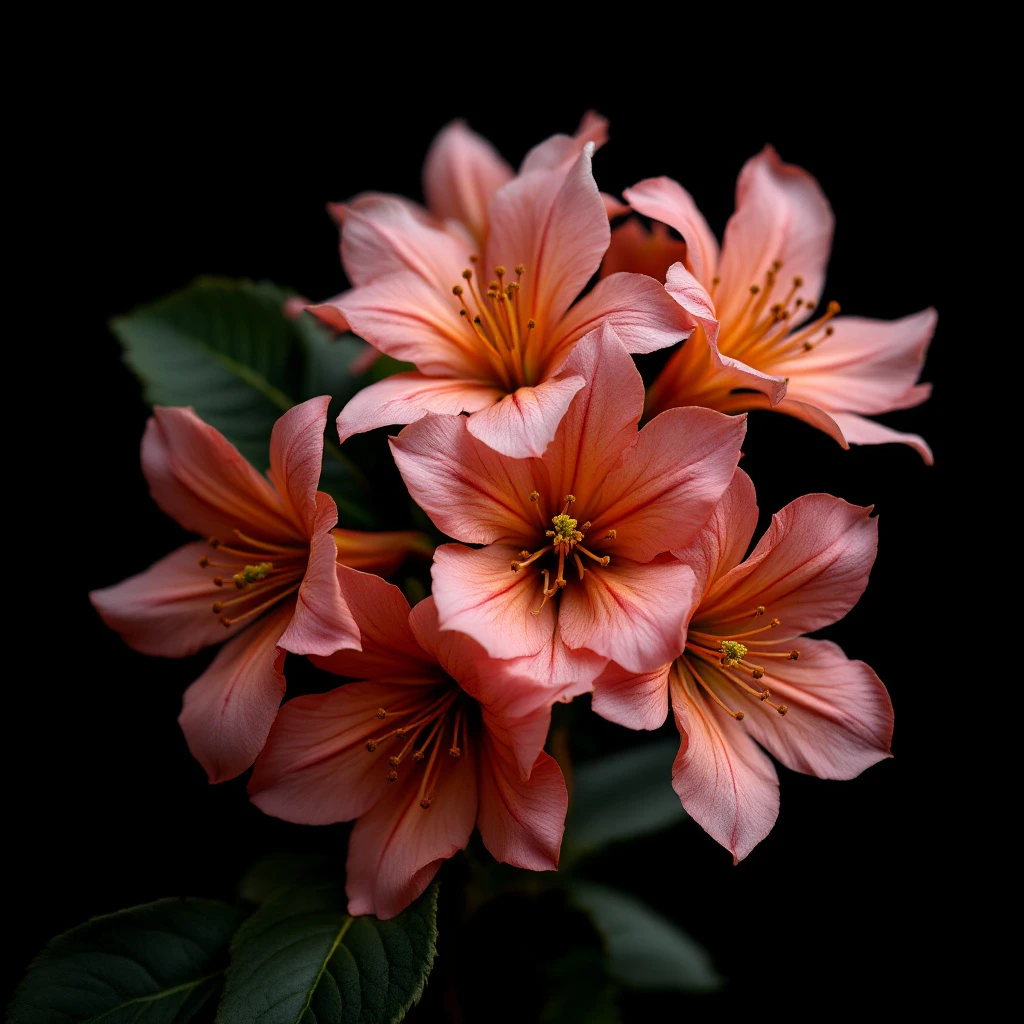
Egyptian Balsam, derived from Commiphora gileadensis, was the most coveted perfume material in the ancient world. Priests and pharaohs valued its warm, resinous, slightly sweet aroma for sacred oils and ceremonial unguents, making it a cornerstone of ancient perfumery.
Character
How it smells
The ancient world's most precious resin.
Roman Emperor Nero reportedly spent more on Egyptian balsam for a single banquet than most citizens earned in a year.






Origin
Egypt
Hieroglyphics from 3000 BCE document Egyptian perfumers using balsam as a base for their most sacred fragrances. The material held religious significance, appearing in tomb paintings alongside offerings to the gods. Cleopatra reportedly commanded vast quantities of balsam for her personal toiletries, and Egyptian merchants traded extensively for the resin along the Incense Route.
The Greeks and Romans later called it 'balm of Gilead,' adopting Egyptian perfumery knowledge while maintaining the material's prestige. Archaeological excavations at ancient Egyptian perfume workshops have uncovered distillation apparatus and residue analysis confirming balsam's central role. This resin connected ancient Egyptian identity with divine ritual, making it far more than a luxury ingredient.
The material's scarcity and labor-intensive harvest made it a marker of power and spiritual devotion across three millennia of Egyptian civilization.
Wears it best
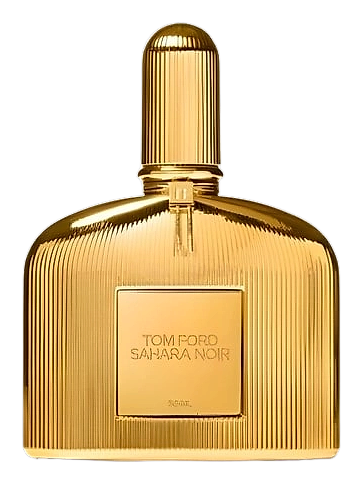
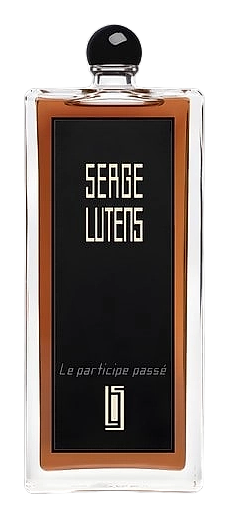
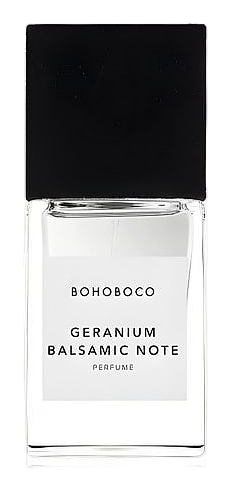
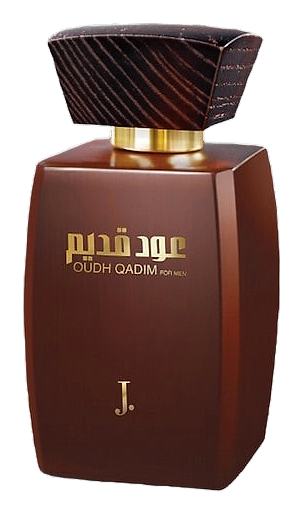
Fragrances featuring Egyptian Balsam
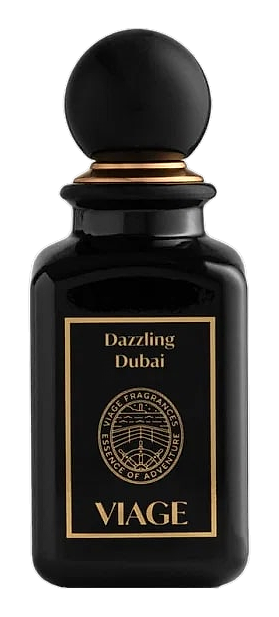
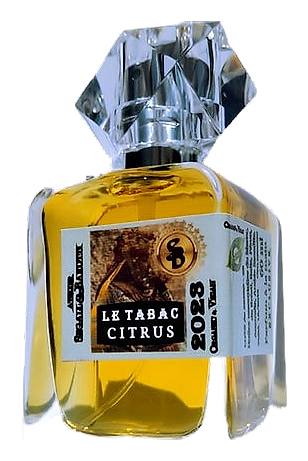
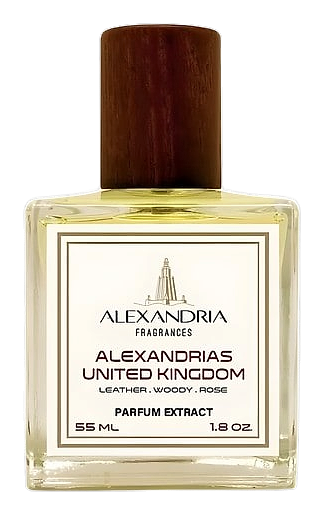
Brands
Brands known for Egyptian Balsam
Good to know
Questions, answered
The essentials on Egyptian Balsam in perfumery: how it smells, where it comes from, and how it behaves on skin.
What does Egyptian Balsam smell like?
Egyptian Balsam has a warm, resinous aroma with sweet, slightly balsamic undertones. Think honeyed wood with a soft, amber-like depth that works beautifully as a base note in fragrance compositions.
Is Egyptian Balsam natural or synthetic?
Egyptian Balsam is natural, sourced from Commiphora gileadensis resin. Modern perfumers sometimes use synthetic alternatives, but the authentic material remains highly prized for its complex olfactory profile.
What makes Egyptian Balsam so valuable?
The scarcity of Commiphora gileadensis drives its value. Trees grow only in specific arid regions, and harvest requires careful hand-tapping. Ancient sources report it sold for twice its weight in gold.
How long have perfumers used Egyptian Balsam?
Perfumers have used Egyptian Balsam for at least 5,000 years. Egyptian hieroglyphics from 3000 BCE document its use in sacred oils and royal cosmetics.
What fragrance families use Egyptian Balsam?
Egyptian Balsam appears in oriental, amber, and chypre compositions. Its fixative properties make it valuable in any fragrance requiring lasting warmth and depth.
Does Egyptian Balsam have any modern alternatives?
Some perfumers use benzoin or styrax as more affordable alternatives. Neither replicates the full complexity of genuine Egyptian Balsam, which contains over 100 identified aromatic compounds.
How is Egyptian Balsam harvested today?
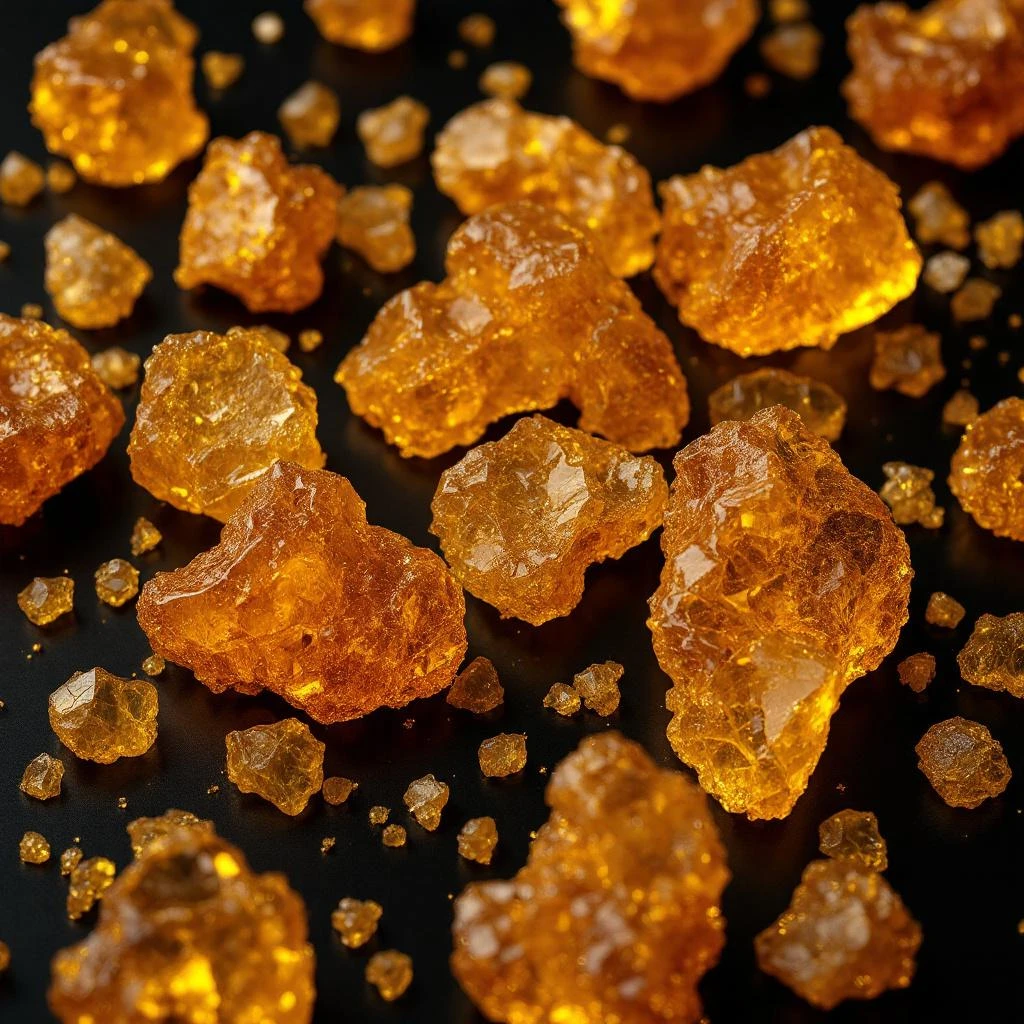
Harvesters make shallow incisions in the bark during specific seasons. The resin weeps slowly, drying into tears or masses that collectors gather by hand. This traditional method has remained largely unchanged for millennia.
Can Egyptian Balsam cause skin sensitivity?
Like many natural resins, Egyptian Balsam contains compounds that may cause irritation for sensitive individuals. IFRA guidelines recommend standard precautions for resin-based ingredients in consumer products.