The Story
Why it exists.
The beginning
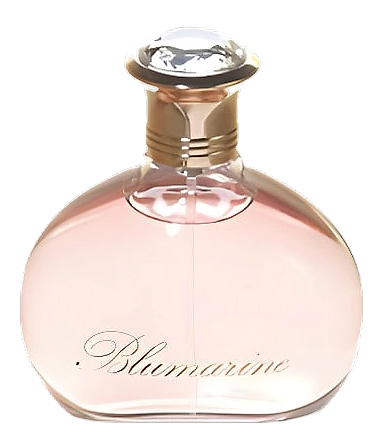
The original Blumarine arrived in 1988, a soft floral that captured the house's romantic sensibility. By 2000, the label wanted something with more dimension, not louder, but deeper. The second chapter built on that innocence with richer florals and a woodsy base that grounded the composition in something earthier, more complex. It was about growth without spectacle, a fragrance that understood you don't need to fill a room to leave an impression.
The combination of lotus and orchid is rarer than it should be, two florals that rarely share a pyramid. Lotus brings its watery, almost mineral freshness while orchid contributes a creaminess that feels like velvet on skin. Ylang-ylang bridges them with its sweet, tropical richness. Underneath, frankincense and labdanum add a resinous depth that prevents the whole thing from floating away. It's a study in balance, florals that could easily overwhelm each other, held in check by woody restraint.
The evolution
The opening is Brazilian rosewood's warm, slightly spicy presence, unexpected at the top, grounding the watery florals that follow. Ivy and lotus arrive together, green and aquatic, like morning condensation on leaves. Around the 15-minute mark, the rosewood settles and the heart begins its slow unfurl. Orchid takes over, joined by rose and ylang-ylang, the creamy floral middle that feels less like a garden and more like a greenhouse in full bloom. The drydown is where cedar and sandalwood earn their keep, with white musk and labdanum adding warmth and resin without ever becoming heavy. By hour three, you're left with a skin-close whisper of wood and soft musk, intimate enough to disappear, persistent enough to make you smell yourself and pause.
Cultural impact
Blumarine, the Italian fashion house founded by Anna Molinari, released its second fragrance in 2000, twelve years after the original Blumarine. The brand had built its identity on romantic, feminine designs throughout the 1990s and into the 2000s, and Blumarine II reflected that same aesthetic. The 2000 launch continued the house's floral-forward approach while introducing richer heart notes and a woodier base, mirroring a broader shift in women's perfumery during this era. By 2000, the bold, oversaturated scents of the 1980s had given way to softer, more intimate compositions, and Blumarine II captured this transition. Its lotus and aquatic notes paired with cedar and sandalwood embodied the minimalist aesthetic emerging in early 2000s fashion and design.