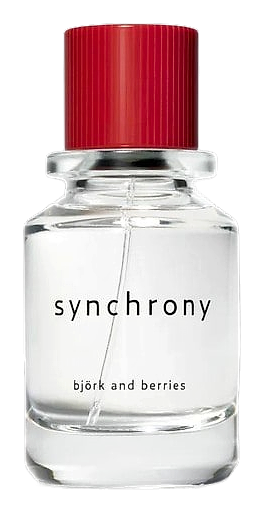

The Story
Why it exists.
The beginning
Cities have always had a smell, their architecture breathing it back. The wet stone of old walls, centuries of damp worked into the mortar. That's the starting point for Synchrony: what makes a city alive, and what fragrance would those spaces hold? The brand looked at architecture not as geometry but as memory, stone absorbing time, corridors holding warmth, secrets pressed into surfaces. The brief was simple: capture that. A city at dusk, when the light goes amber and the walls finally exhale. Synchrony is the result, a fragrance that smells like standing in a courtyard as the temperature drops, when everything ancient and unhurried comes forward.
What makes Synchrony unusual is the heart. Spanish labdanum absolute is warm, resinous, almost balsamic, the kind of material that smells like it belongs in an apothecary. Carrot seed absolute brings an earthy, slightly oxidized quality that bridges the fresh and the resinous. And orris root, powdery, violet-like, creates the bridge between the warm spiced opening and the deeper base. The combination doesn't just smell good. It smells like a specific kind of quiet. The sugar in the base is subtle, keeping the drydown grounded rather than sweet. This is a fragrance that earns its composure.
The evolution
The opening hits fast. Cardamom, cinnamon, ginger, that clean heat without fire. You feel it before you name it. This isn't a soft introduction. It's the entrance. Then the heart arrives, and everything shifts. Spanish labdanum and orris take over, transforming the composition into something powdery and ancient. The warm spiced top doesn't disappear, it deepens, settling into the powder like light into stone. The base follows: patchouli and cedarwood anchoring everything in mineral earth, while the sugar keeps it grounded rather than austere. The full arc runs 6-8 hours on most skin, intimate at first, then slowly expanding before settling close and personal.
Cultural impact
The warm, spicy, woody fragrance family has deep roots in multiple perfume traditions. Cardamom, cinnamon, and ginger appear across Ayurvedic perfumery, Middle Eastern attars, and Scandinavian-inspired niche releases. This type of scent gained significant popularity in niche perfumery during the 2010s and continues to attract wearers seeking something beyond mainstream designer fragrances. Perfumers working with these notes often cite the challenge of balancing spice with woody base notes that prevent the composition from becoming too sharp or medicinal. These fragrances appeal to those who appreciate complexity and nuance in their scent wardrobe, often described as contemplative or introspective in character.