
The Story
Why it exists.
The beginning
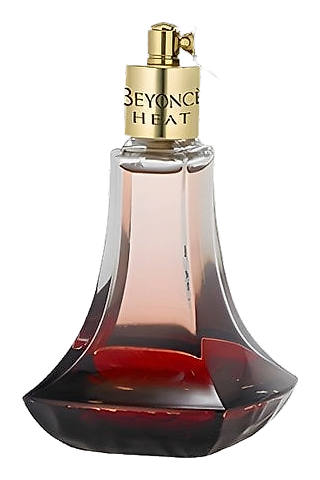
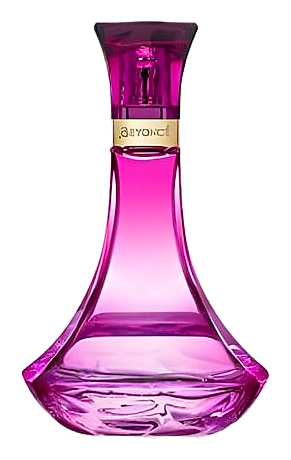
Heat Wild Orchid arrived in 2014 as an extension of Beyoncé's Heat collection, the sub-line that began with the original Heat in 2010. This was the fifth flanker in the series, following Rush, Ultimate Elixir, Midnight Heat, and the Mrs. Carter Show World Tour edition. Named for the tropical orchid native to regions across Asia and Australia, Wild Orchid positioned itself as the warm-weather counterpoint to its predecessors. The timing was deliberate: a summer release, photographed by Michael Thompson, built around the idea of fierce, feminine energy in peak season form. Honorine Blanc signed the composition, bringing a specific intention to the butterfly orchid accord, she publicly discussed its alleged aphrodisiac properties, making the exotic floral the conceptual centerpiece rather than just another heart note.
The structure is what makes Wild Orchid stand apart. Most fruity-florals stack their notes linearly, fruit opens, florals arrive, base settles. Wild Orchid works differently. The coconut nectar doesn't just sit in the top; it bridges. As the boysenberry and pomegranate recede, the coconut's creaminess pulls the orchid heart forward before the fragrance has fully transitioned. That overlap is intentional, it creates a sustained tropical warmth rather than a sharp handoff between phases. The butterfly orchid, often called moth orchid in botanical terms, carries a specific cool-green floral character that reads differently against coconut than it would against, say, aldehydes.
The evolution
The opening hits bright and tart, boysenberry and pomegranate arrive together, giving each other context. The boysenberry adds depth and slight tartness that keeps the pomegranate from reading too sharp. Thirty seconds in, the coconut nectar softens everything. That transition is the fragrance's first move. Within the first hour, the butterfly orchid takes over the heart. This is where the fragrance earns its name. The orchid doesn't arrive politely, it blooms, taking space from the fading fruit until the composition reads as floral first, fruity second. Honeysuckle and magnolia support it, but the orchid is the loudest voice. The drydown begins around hour two. The coconut recedes, the orchid softens, and the base notes, blonde woods, skin musk, amber, begin their work. The woods don't dominate. They anchor. The musk reads as warm skin, not as detergent. The amber adds a honeyed quality that ties back to the honeysuckle without repeating it. By hour three, this is a skin scent. Not intimate in the way that means weak, intimate in the way that means close.
Cultural impact
Heat Wild Orchid generated conversation around the butterfly orchid accord, specifically Honorine Blanc's stated belief that it carries aphrodisiac properties. That kind of direct claim from a perfumer, rather than marketing copy, gave the fragrance a specific point of discussion in fragrance communities. The tropical-fruity-gourmand profile positioned it as a warm-weather signature within the Heat line, appealing to wearers who want sweetness without heaviness.
The House
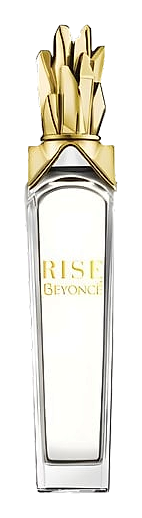
BeyoncéBeyoncé fragrances represent a personal fragrance collection developed by the global music icon and her mother, Tina Knowles, in collaboration with Coty Inc. The brand launched with Heat in 2010, marking Beyoncé's entry into the beauty industry as an extension of her broader business portfolio that includes the House of Deréon clothing line. The collection spans multiple flankers and limited editions, including the Heat sub-line (Rush, Ultimate Elixir, Wild Orchid, Kissed), the Pulse series, and later releases Rise and Shimmering Heat. In November 2023, after more than a decade without a new release, the brand introduced a new fragrance developed in France, followed by a second scent in 2024. The collection is headquartered in New York.
The Creator
Honorine BlancBlanc gravitates toward contrasts: sweet and dark, structured and sensual, familiar and surprising. She has a particular affinity for amber and gourmand notes, shaped by her Lebanese upbringing in an Ambrée culture.