The Story
Why it exists.
The beginning
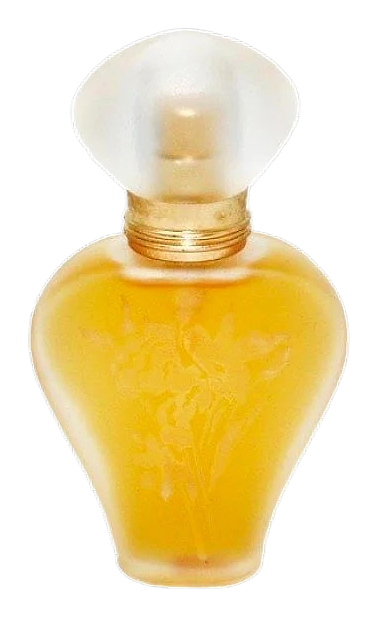
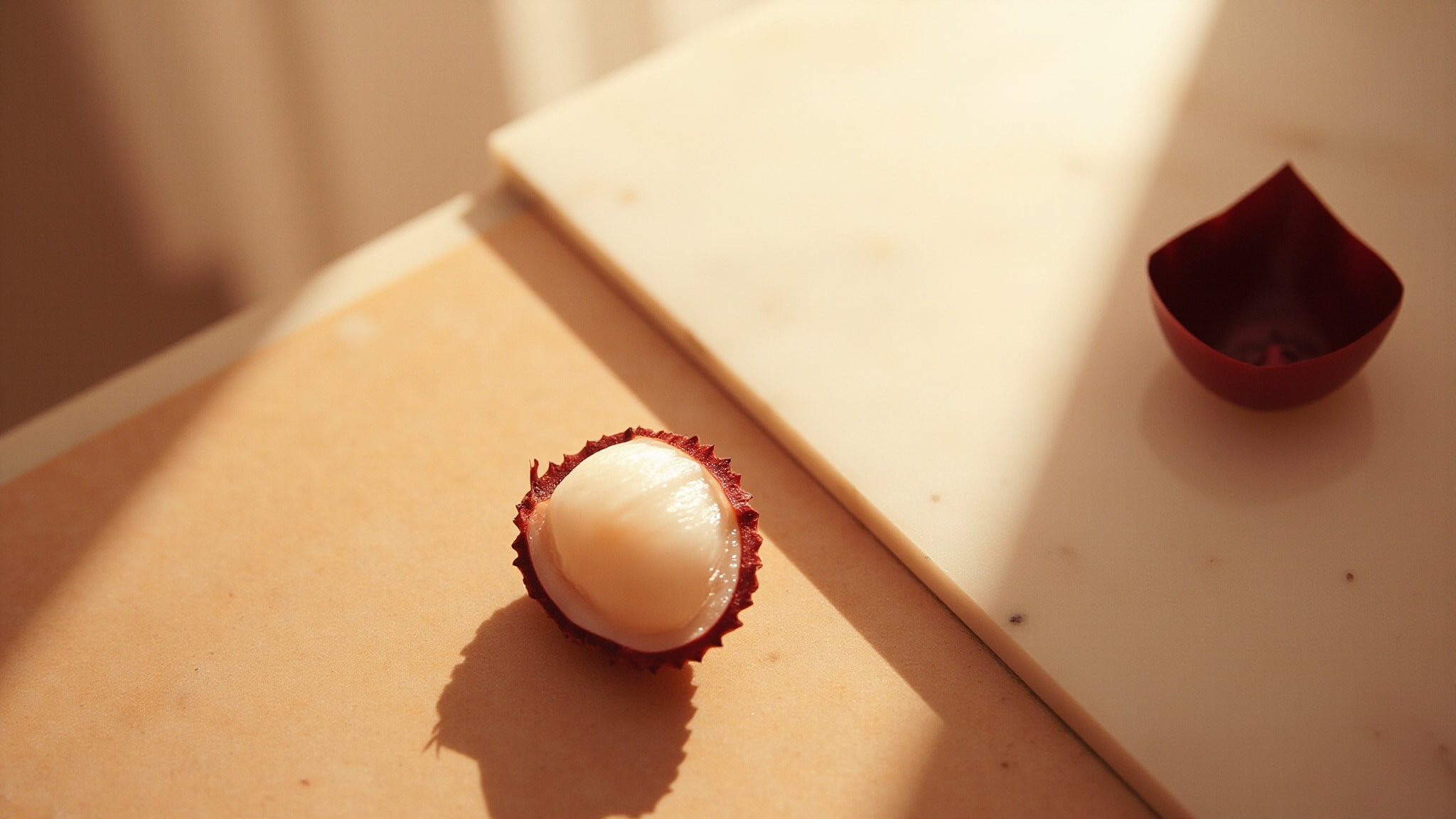
Betty Barclay's second fragrance arrived in 1995, two years after the brand launched its first perfume, and already building a vocabulary of what its femininity could sound like. The name is the concept: not what you spray, but what it lets you say. Voice was designed as an olfactory statement of presence, the kind of scent that enters a room slightly before you do, or slightly after you've already made your point. It draws from oriental-floral territory but keeps the volume turned down. The goal wasn't volume. It was conviction. Lychee, exotic and perfumery-adjacent in 1995 Western fragrance, anchors the fruity opening alongside a broader tropical accord. Rose and florals soften what could have been sharp. Vanilla and amber build the warmth underneath. The composition reads like something you'd say to someone who already knows you: direct, warm, a little playful.
What makes Voice interesting isn't any single note, it's the way the fruity and oriental facets hold tension without fighting. Lychee gives the opening a translucent sweetness that most oriental compositions avoid; they'd rather open with spice or resin. Here, lychee acts as a bridge between the tropical fruit note and the powder-warm oriental base. It's not trying to be exotic for the sake of it. The rose isn't a statement rose, it's quiet, almost buried in the floral accord. The vanilla doesn't dominate the drydown; it mingles with woody notes and creates something powdery and close. This is a fragrance that knows what it is. It doesn't need you to understand all of it on the first smell.
The evolution
The opening announces lychee and fruit, sweet, bright, with a translucent quality that reads as modern even by contemporary standards. There's no harsh citrus spike here. The top is already warm, already leaning in. Within the first hour, the rose and floral accord emerge. The vanilla isn't far behind, creeping up under the flowers and adding a creamy depth that tames whatever sharpness the lychee might have had. The amber appears mid-composition, binding fruit and florals into something cohesive. This is where Voice sounds most like its name, present, confident, not arguing for attention. The drydown is where the woody notes take over, but they don't arrive aggressively. They settle in beneath the vanilla and the residual florals, creating a powder-warm base that stays close to the skin. This is the phase that earns the longevity. On most skin types, the final 2-3 hours read as intimate, a trace, a warmth, something another person notices only when they're near. The next morning, there's a faint amber-and-powder ghost on the wrist. Not loud. But present.
Cultural impact
Voice occupies a specific corner of 1990s feminine perfumery: oriental florals for women who wanted warmth without heaviness and fruit without the loud tropical declarations of the decade's louder releases. It's not a cult fragrance or a bestseller, the vote counts are modest, but among those who encountered it, the response skews positive. The powder-warm drydown and the lychee opening are the two elements that generate the most comment. Wearers tend to describe it as the fragrance of someone who doesn't need to announce themselves.