The Story
Why it exists.
The beginning
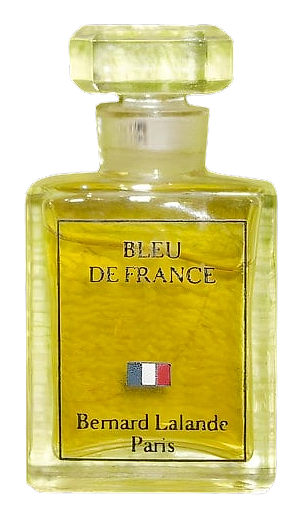
Bleu de France arrived in 1960, from Bernard Lalande in the aldehydic tradition that defined postwar French perfumery. The name references the deep blue associated with French heraldry and identity, a color with weight, not just aesthetics. Lalande built this as a classical composition, one that echoes the structural logic of Chanel No. 5 and Arpège without imitating them. It was never a commercial juggernaut. It was a quiet statement: I know what I'm doing, and I don't need to shout it. The fragrance surfaced in vintage markets over the following decades, traded among collectors who recognized something in the aldehydic structure that larger houses had mass-marketed into ubiquity. One fragrance. One vision.
The aldehydic structure is what makes Bleu de France distinctive, and demanding. Aliphatic aldehydes don't behave like regular fragrance materials. They add a waxy, slightly metallic quality that lifts florals into something more abstract. In Lalande's composition, the aldehydes function less as a note and more as a framework: they support the florals, they provide an underlying coherence, they make the whole thing feel like it's shimmering slightly as it settles. This isn't a linear fragrance where one note replaces another.
The evolution
The opening is aldehydes first. Aldehydes second. Bergamot is there too, a brief citrus lift, but the aldehydes dominate, bright, waxy, that characteristic sparkle that smells like candlelight on polished wood. It lasts fifteen minutes, maybe thirty. Then the florals arrive, but they don't crash in. Violet emerges first, powdery and slightly green. Rose follows, along with jasmine and tuberose. The aldehydes don't disappear, they linger underneath, keeping the florals from getting sweet. This middle phase is where Bleu de France earns its reputation as a classical composition. It smells like a particular moment in French perfumery: structured, formal, deliberate. The drydown is warm. Sandalwood, vetiver, a whisper of civet that some collectors mention as the tell. The powdery warmth persists, soft and close to the skin.
Cultural impact
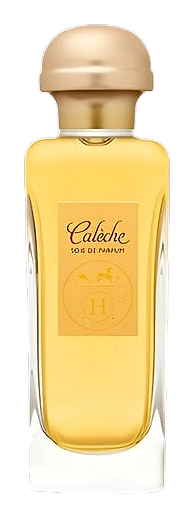
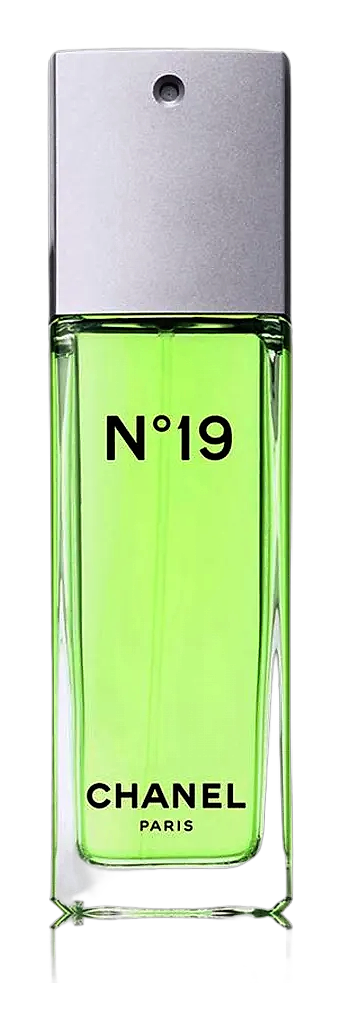
Bleu de France occupies a specific position in the aldehydic-floral tradition, alongside Chanel No. 5, Arpège, and Caleche, though collectors describe it as more streamlined than those references. Among the landmark aldehydic fragrances, it represents an alternative take on the style for those who appreciate the form.