
The Story
Why it exists.
The beginning
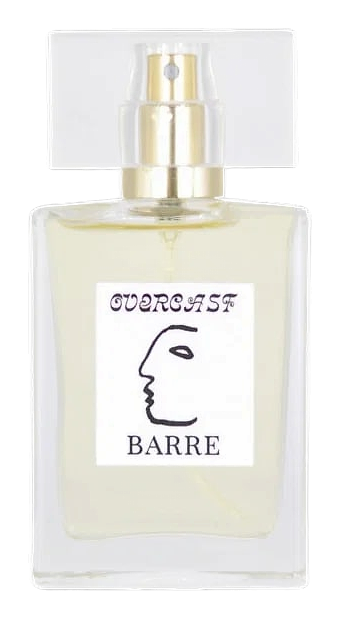
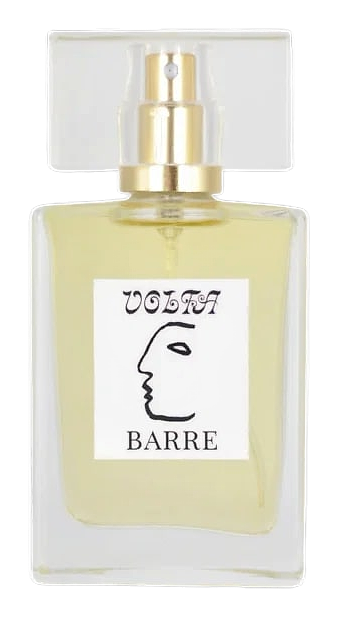
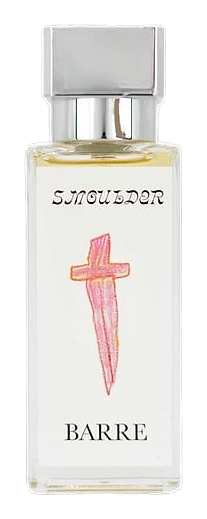
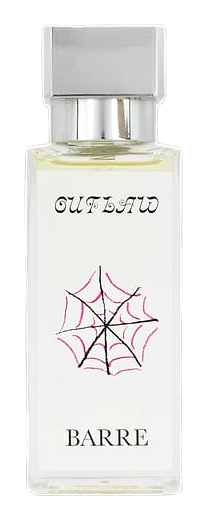
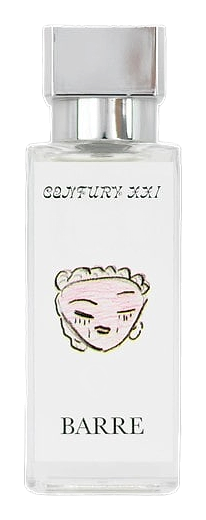
Century XXI arrived in 2018 as part of BARRE's ongoing conceptual project. Hyland's titles function as provocation rather than marketing, Outlaw, Volta, Smoulder, Century XXI. The Roman numeral naming convention is the provocation here. Century XXI sounds historical, ceremonial, like it should belong to something important. But the scent itself resists that gravity. Instead, it asks a question: what if sweetness wasn't the point? The name promises weight. The fragrance delivers something quieter. That's the tension that makes it worth wearing.
The note structure rewards attention. Violet leads with powdery clarity, but the resin and incense arrive without warning, they don't soften the violet, they deepen it, creating a meditative quality that takes a moment to recognize. The woody base of cedar and sandalwood stays close to the skin, refusing to project loudly. What could read as simple reads instead as composed. That's the move: apparent simplicity that reveals complexity only when you lean in.
The evolution
The opening is violet and powdery, almost mineral in quality. Incense smoke curls underneath, present but not yet assertive. Musk adds warmth to the transition. Within thirty minutes, the heart arrives, resin and cedarwood asserting themselves as the violet becomes less a flower and more an abstract presence. The musk builds. The composition gets warmer, more intimate. Then the drydown: sandalwood and cedar settle into the skin, resin lingering as a quiet undertone. Six to eight hours of close, personal warmth. What the fragrance smells like the next day is sandalwood and the ghost of incense, soft against warm skin.
Cultural impact
Century XXI arrived in 2018, before genderless fragrance became a marketing category rather than a stance. Hyland's approach treats each release as a conceptual statement, the naming conventions alone resist the aspirational vocabulary of mainstream perfumery. The fragrance itself, with its powdery violet heart and resinous depth, occupies territory that mainstream brands haven't claimed. That's part of its appeal: it's not trying to be everything to everyone. It's content asking more questions than it answers.