Bree Hyland
Bree Hyland arrived at perfume through a painter's eye. She earned her BFA from NSCAD University in Halifax, spent years working as a visual artist, and then discovered that scent offered something painting could not: direct passage into someone's memory. In 2015, she founded Barre from her studio in rural Nova Scotia, building fragrances the way she once approached a canvas, with careful layering and an awareness of how individual elements evolve over time. Her work sidesteps the fragrance industry's appetite for immediate impact. Instead, Hyland constructs perfumes that unfurl slowly, asking something of the wearer. She describes her practice simply: perfume-making exists symbiotically with her broader artistic vision, not apart from it. That balance between commercial fragrance and fine art has defined her path, keeping her independent and geographically distant from the industry's traditional centers. At 40, she continues to develop new work from the same rural landscape that shapes her materials and her sensibility.
The hits
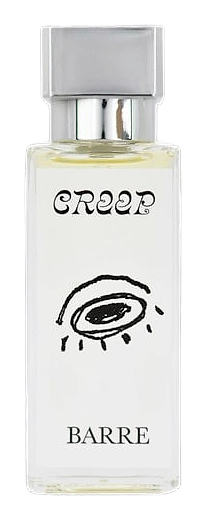
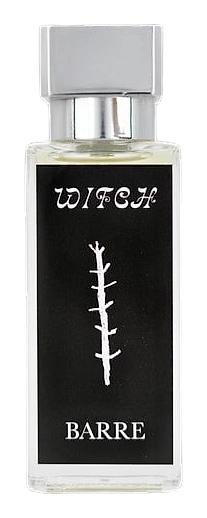
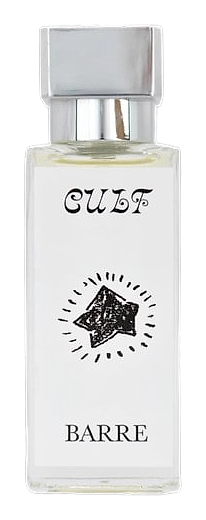
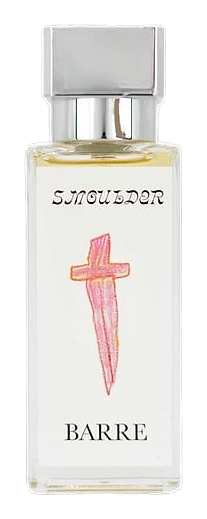
Notable creations
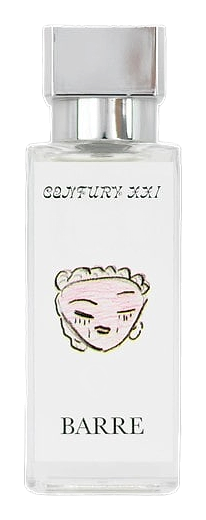
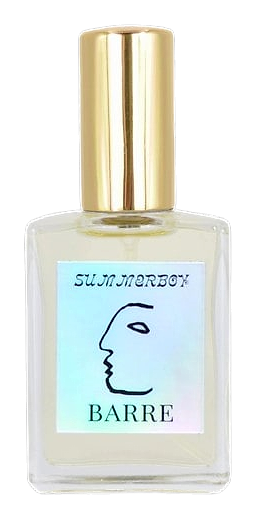
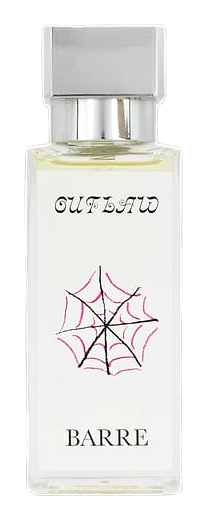
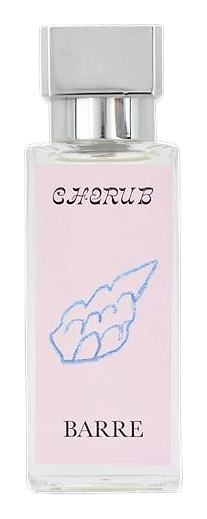
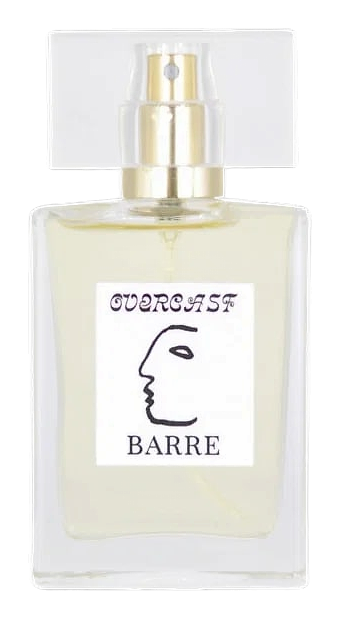
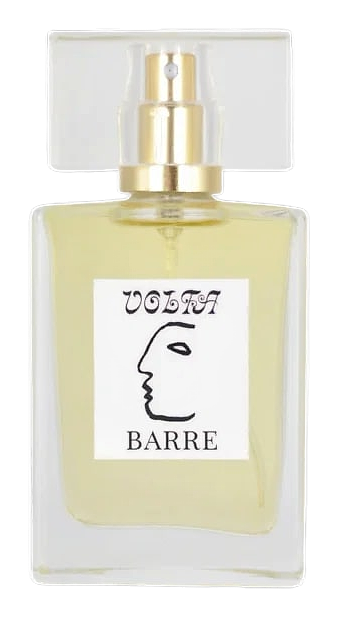
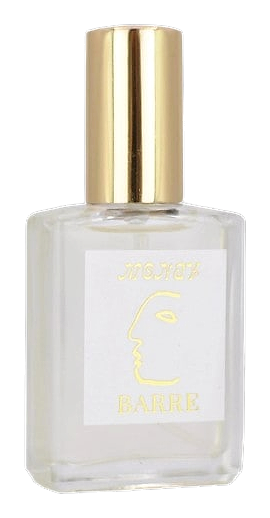
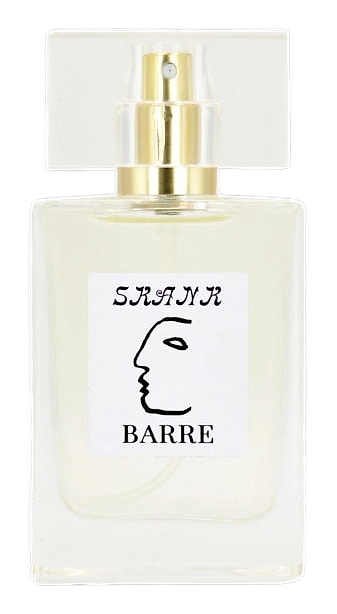
The signature
How Bree composes
Hyland's fragrances carry the weight of the landscape around her. Reviewers consistently note earthy, mossy, peaty qualities with a damp forest character that feels place-specific rather than generic. She combines natural materials with careful restraint, allowing green and wood notes to dominate while introducing smoky or resinous undertones that add depth without heaviness. Her style leans atmospheric, creating scents that function less like traditional perfumes and more like olfactory portraits of Nova Scotia's wilderness. The technical approach favors slow development and skin-specific evolution, making each fragrance a collaborative act between maker and wearer.
Philosophy
What drives Bree
Hyland treats fragrance as fine art rather than consumer product. She approaches each composition with the same deliberate attention she developed during her years as a visual artist, refusing to separate her perfumery from her broader creative practice. The brand's guiding principle is that scent should be approached the way an artist approaches a canvas: with patience, with intention, and with an understanding that the viewer or wearer completes the work. She resists trends and the pressure to produce commercially safe scents. Her priority is emotional authenticity over market positioning.
The houses