The Story
Why it exists.
The beginning
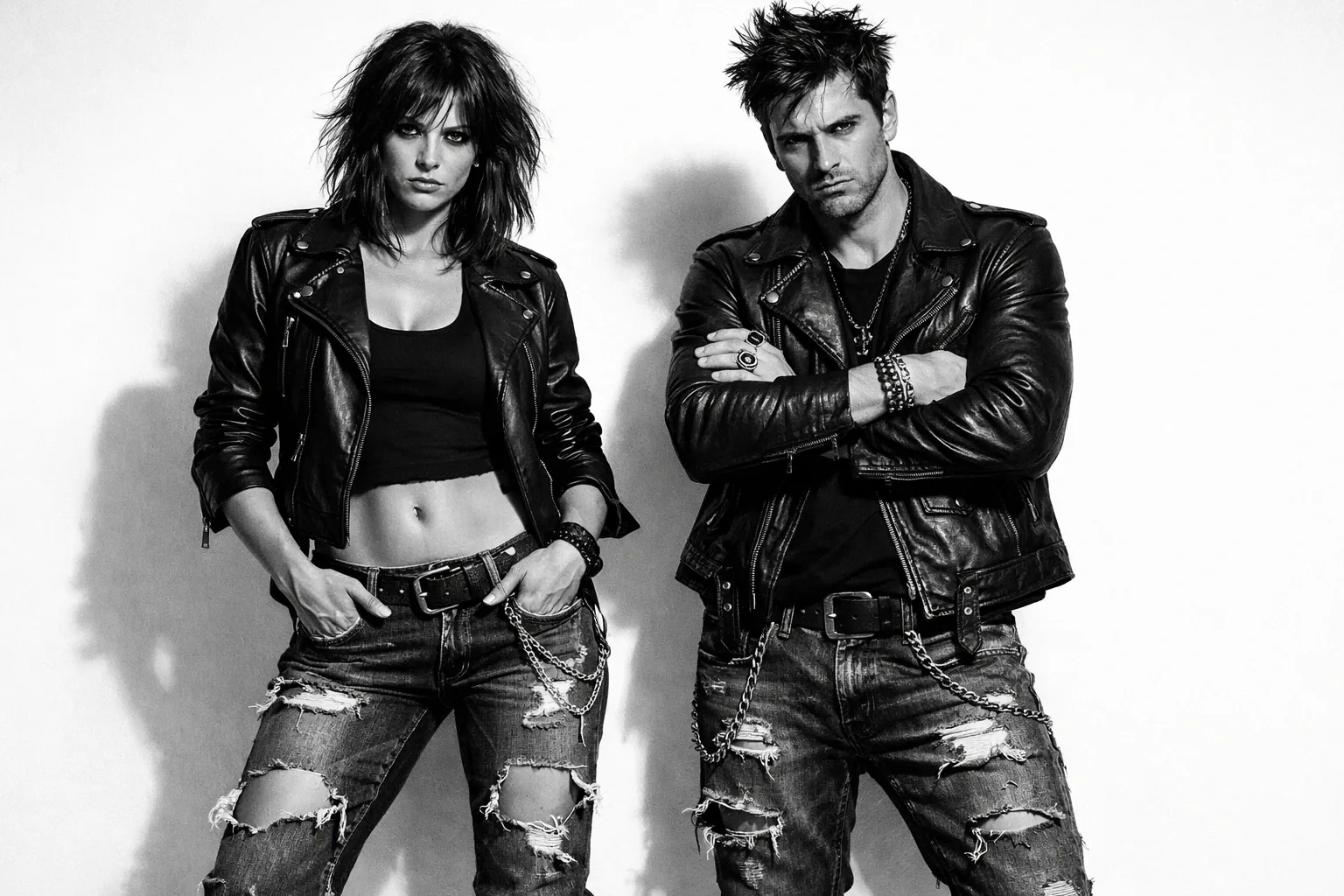
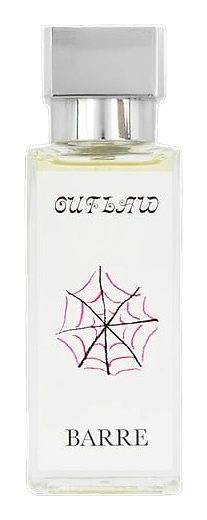
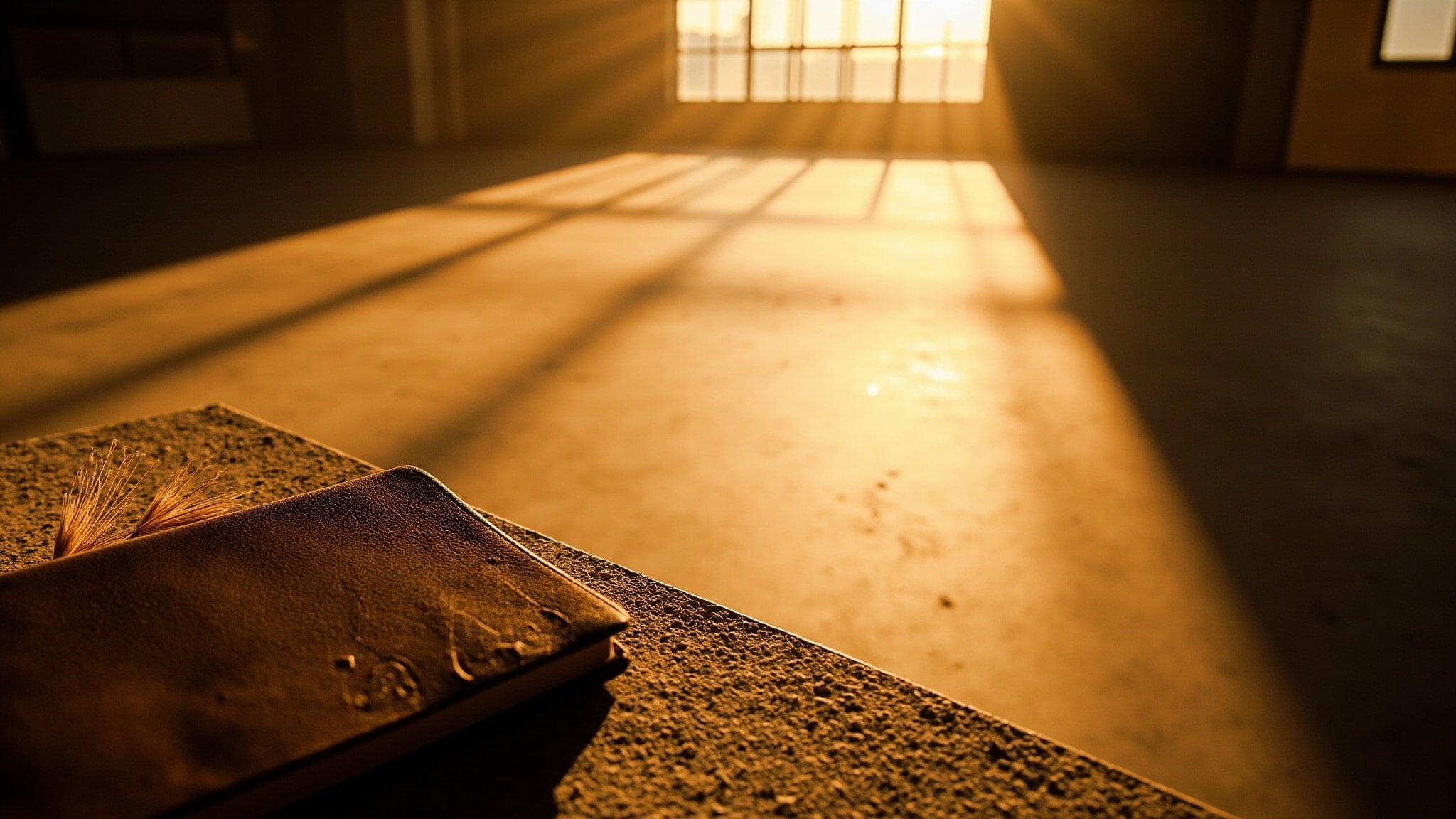
Outlaw arrived in 2018, a name that carries its own weight. The word itself is the concept, someone already outside the frame, not seeking reinvention but claiming territory on their own terms. Hyland's visual art background shows in how Outlaw works: contrast as composition, tension as structure. The grass is fresh. The leather is worn. Both exist at once, and neither apologizes for the other. There is something deliberate in how these contradictions coexist, each element asserting itself without apology or explanation.
What makes Outlaw structurally interesting is how honeysuckle, a yellow floral with an almost greedy sweetness, holds its ground against leather and tobacco. In most compositions, that floral gets buried or tamed into submission. Here it persists, threading through the tobacco and cedarwood like something that refuses to be fully claimed. The coffee note adds an unexpected bitterness at the edges, a reminder that this isn't a straightforward pastoral fantasy. It's green, it's sweet, it's worn, and underneath all of that, it knows exactly what it is.
The evolution
Outlaw opens with grass, fresh, bright, almost dewy. Cut stems and the clean green of living things. Within minutes, honeysuckle arrives and shifts everything: the green deepens, turns almost medicinal before settling into something sweeter. The leather surfaces next, not aggressive but present, worn, not new. Tobacco follows, adding weight without darkness. The cedarwood drydown is where Outlaw becomes itself. The coffee note reappears in the final stage, faint and bitter, grounding everything that came before. There's a quiet intimacy to how this fragrance develops, each note arriving in its own time, finding its place without rushing.
Cultural impact
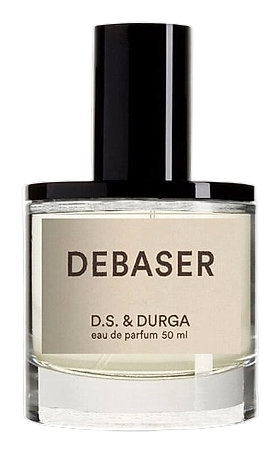
Outlaw draws attention from those who seek conceptual, artist-made scents. Its genderless framing and rural Nova Scotia origin give it a different character from mainstream fragrance houses. The community compares it to DS&Durga's Debaser, both green, both willing to be strange. What distinguishes Outlaw is the honeysuckle-tobacco pairing: a sweetness that refuses to be tamed, held in check by leather and cedarwood. The honeysuckle arrives greedy and bright, but the tobacco keeps it grounded, and the leather ensures nothing ever gets too soft.
The House
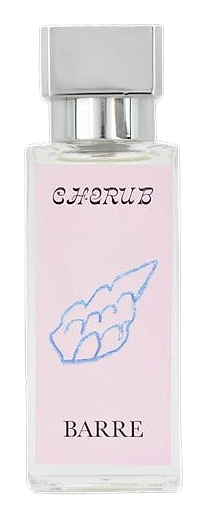
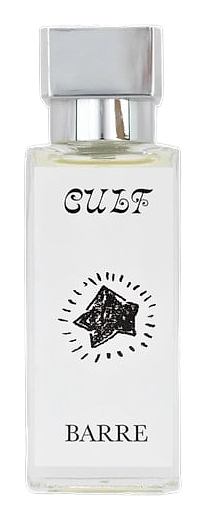
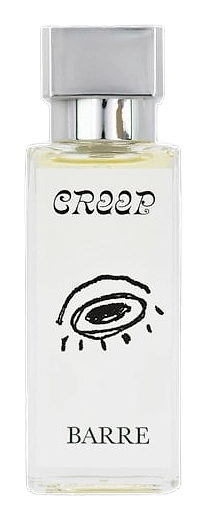
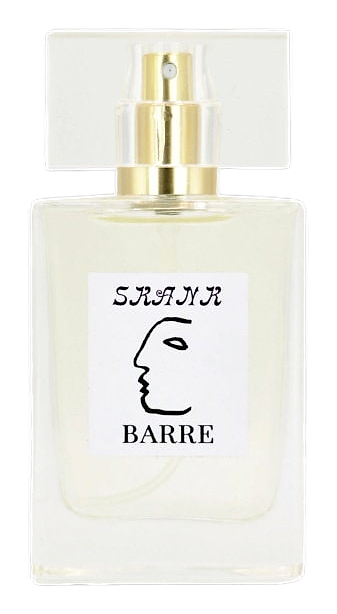
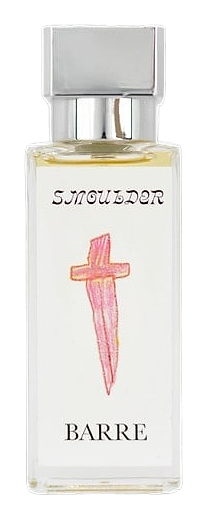
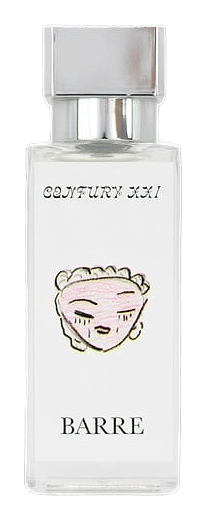
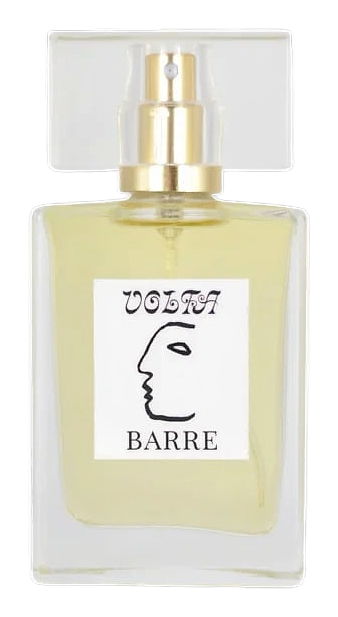
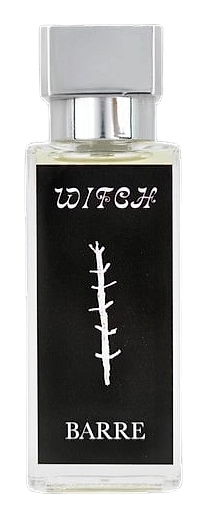
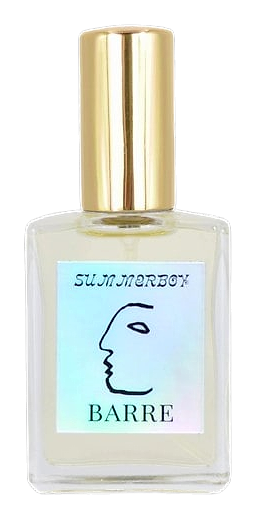
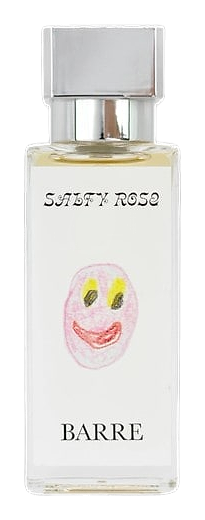
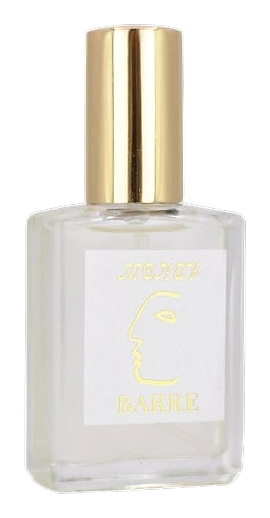
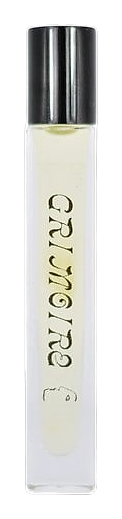
BARREBARRE is a collection of fine fragrances created by visual artist Bree Hyland, produced in her rural Nova Scotia studio. The brand was founded in 2015 and crafts small-batch, genderless scents, with each release carrying a name that reads less like a conventional fragrance label and more like an editorial provocation. The studio location in rural Nova Scotia is uncommon among niche perfumers, most of whom operate from major cities or established fragrance capitals. BARRE has released roughly a dozen scents since its founding, including Outlaw, Volta, Smoulder, Century XXI, Cult, Salty Rose, Creep, Cherub, and Skank.
The Creator
Bree HylandHyland's fragrances carry the weight of the landscape around her. Reviewers consistently note earthy, mossy, peaty qualities with a damp forest character that feels place-specific rather than generic.