The Story
Why it exists.
The beginning
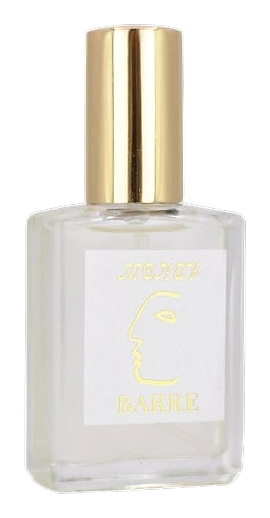
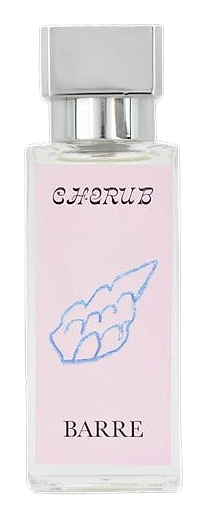
The name is the provocation. Cherub, the Renaissance chubby-cheeked baby in marble, conjures innocence, clouds, a certain Baroque sweetness. But Bree Hyland doesn't do innocent. The official copy reads like a half-remembered poem: 'I almost forgot / How to be dew / My little darlings / Meet me in the garden.' It's a scent that lives in that gap between the expected and the actual. Rhubarb, rosewater, ginger, tulip, iris, toasted hay. Not a single note that behaves the way you'd predict. The garden is real. The teeth are hers.
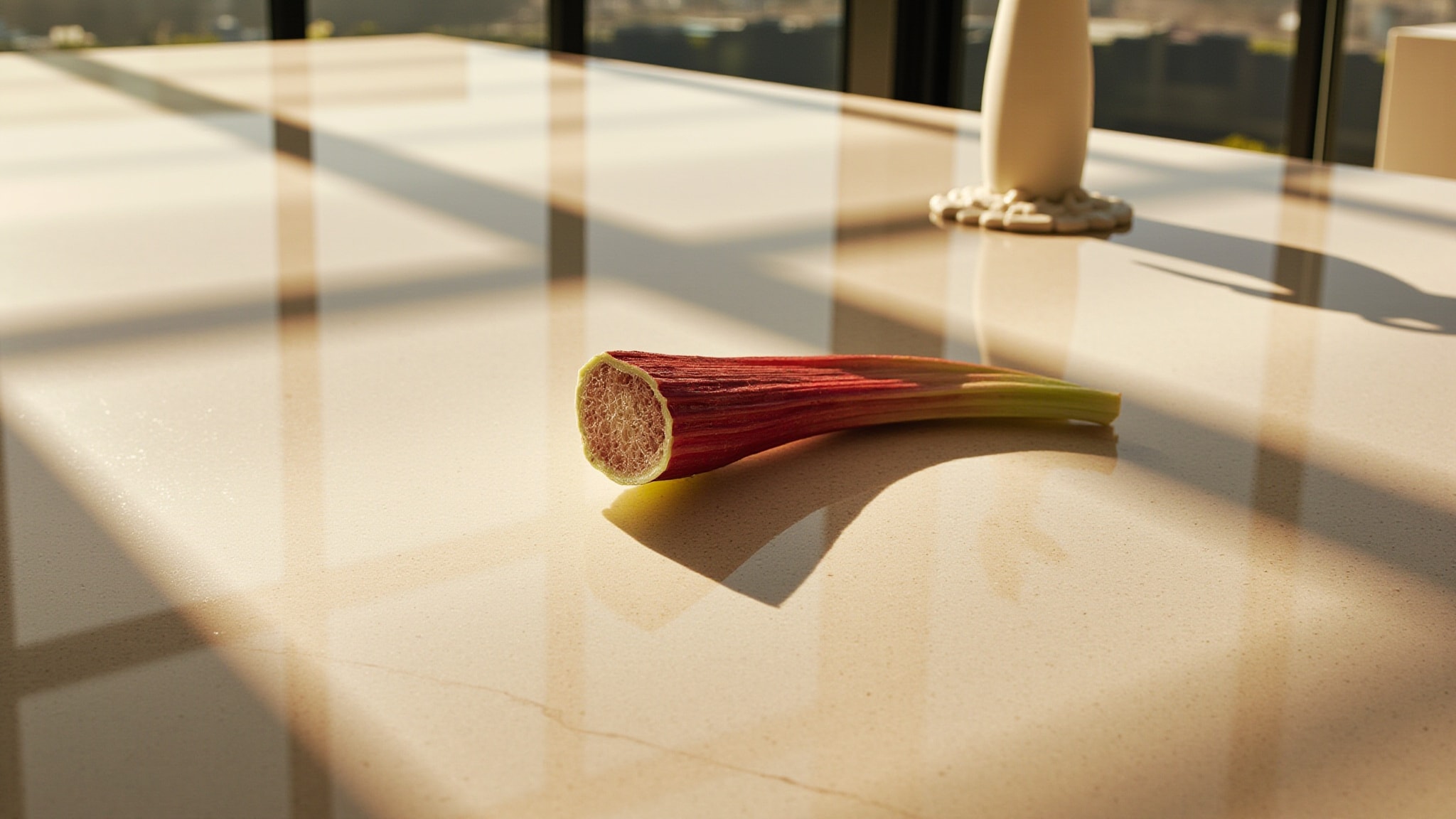
What makes Cherub work is the rhubarb. Not the jam or the pie, the raw stalk, slightly sour, with that vegetal green bite that wakes up the whole composition. BARRE paired it with rosewater, which sounds delicate but carries more weight than expected: a floral water that's been used in perfumery for centuries because it smells like something real, not constructed. The toasted hay doesn't arrive until the drydown, but it's the structural load-bearing note, the one that keeps the florals from floating into abstraction. Tulip and iris add that powdery middle distance: the feeling of petals pressed in a book, years ago, in a house that doesn't exist anymore.
The evolution
The opening hits green and tart, rhubarb first, sharp enough to register before you've even finished spraying. Ginger arrives quietly, a clean heat that supports rather than burns. Thirty minutes in, the rosewater takes over: sweet, watery, almost edible in the way reviewers keep describing. The tulip sits above it all, pale and pretty. Then the iris and hay begin their slow build. The powdery quality deepens. The hay anchors everything, not as a loud note, but as a warmth that keeps the florals from disappearing. By hour three, it's close to the skin, intimate, the kind of scent someone notices only when they're standing near you. Those seeking strong sillage may find it underwhelming, but it rewards someone who wants a quiet, personal presence.
Cultural impact
BARRE's 2025 launch positions Cherub as part of a deliberate cultural statement in independent perfumery. Founded in Nova Scotia as an extension of visual artist Bree Hyland's practice, BARRE challenges mainstream fragrance conventions by treating scent as an intimate, conceptual art form rather than a commercial product. The brand's sparse release cadence and genderless framing signal a rejection of traditional industry categories, appealing to collectors who view fragrance as a form of creative expression. Cherub's arrival represents a growing movement of artists entering perfumery, bringing studio practices into olfactory territory.
The House
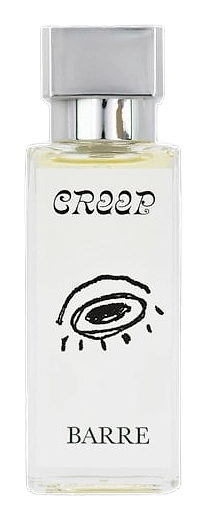
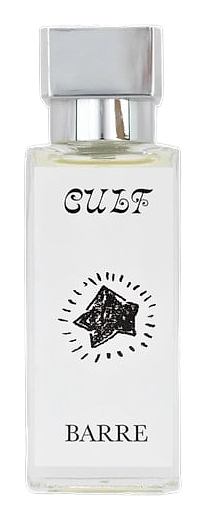
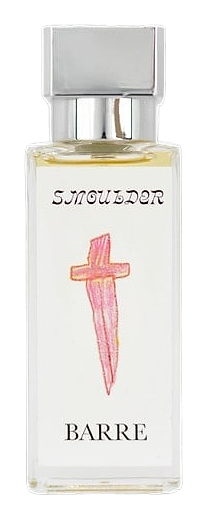
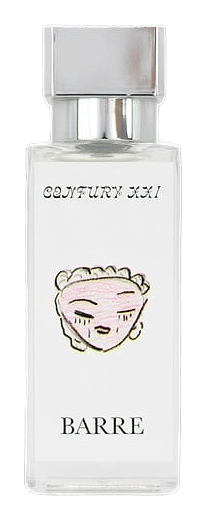
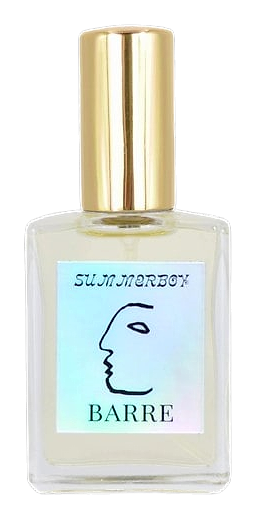
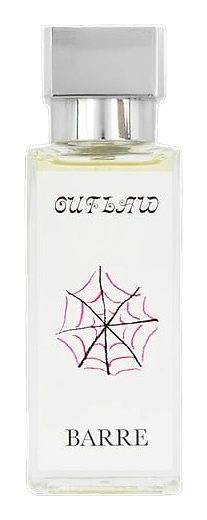
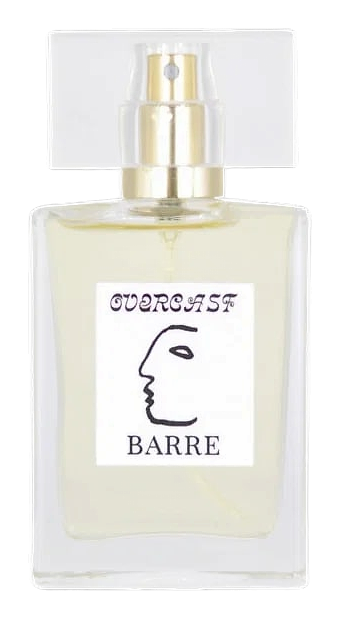
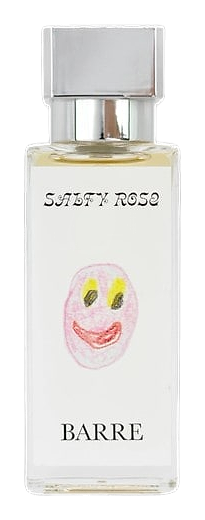
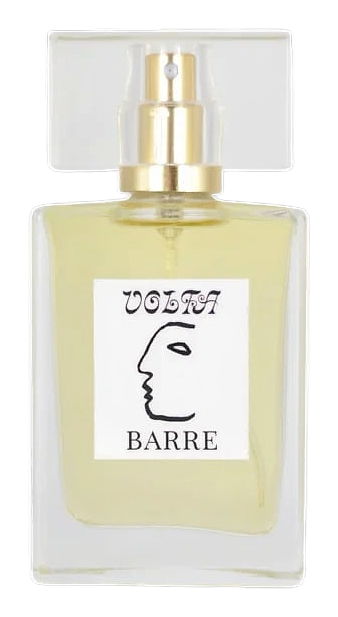
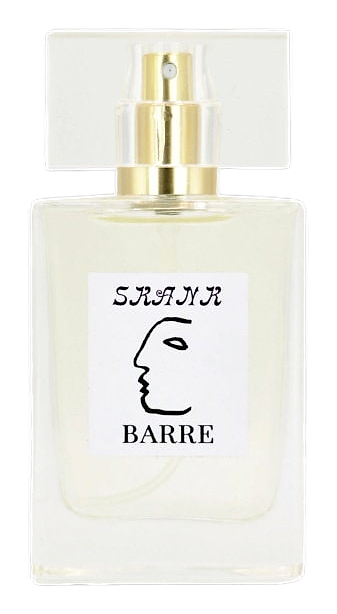
BARREBARRE is a collection of fine fragrances created by visual artist Bree Hyland, produced in her rural Nova Scotia studio. The brand was founded in 2015 and crafts small-batch, genderless scents, with each release carrying a name that reads less like a conventional fragrance label and more like an editorial provocation. The studio location in rural Nova Scotia is uncommon among niche perfumers, most of whom operate from major cities or established fragrance capitals. BARRE has released roughly a dozen scents since its founding, including Outlaw, Volta, Smoulder, Century XXI, Cult, Salty Rose, Creep, Cherub, and Skank.
The Creator
Bree HylandHyland's fragrances carry the weight of the landscape around her. Reviewers consistently note earthy, mossy, peaty qualities with a damp forest character that feels place-specific rather than generic.